


Retrospective study of adenovirus in autopsied pulmonary tissue of pediatric fatal pneumonia in South China
- PMID: 18803877
- PMCID: PMC2566980
- DOI: 10.1186/1471-2334-8-122
Retrospective study of adenovirus in autopsied pulmonary tissue of pediatric fatal pneumonia in South China
Abstract
Background: Adenovirus are the important pathogen of pediatric severe pneumonia. The aim of this study is to analyze the infection, subtype and distribution of adenovirus in autopsied pulmonary tissue of fatal pneumonia in infants and children, and the relationships between adenovirus infection and respiratory illness in South China.
Methods: Nested PCR was performed on DNA extracted from autopsied lung tissue from patients who died of severe pneumonia, and the positive nested PCR products were cloned and sequenced. The adenovirus in autopsied pulmonary tissue was also analyzed by immunohistochemistry assay in a blind way.
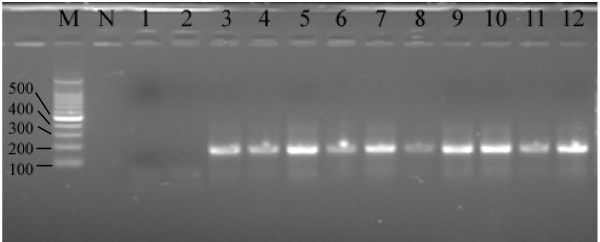
Results: In the 175 autopsied pulmonary tissues, the positive percentage of adenovirus was 9.14% (16/175) and 2.29% (4/175) detected with nested PCR and immunohistochemistry, respectively. There are three cases of adenovirus serotype 3, twelve cases of adenovirus serotype 4 and one case of serotype 41 determined by sequencing of the cloned positive nested PCR products.
Conclusion: Adenovirus is an important cause of severe pneumonia, and these data suggest that adenovirus serotype 4 might be an important pathogen responsible for the fatal pneumonia in Guangzhou, South China.
Figures

References
Publication types
MeSH terms
Substances
LinkOut - more resources
Full Text Sources
