


Are comparisons the answer to understanding behavioral aspects of aging in racial and ethnic groups?
- PMID: 18818445
- PMCID: PMC3663459
- DOI: 10.1093/geronb/63.5.p301
Are comparisons the answer to understanding behavioral aspects of aging in racial and ethnic groups?
Abstract
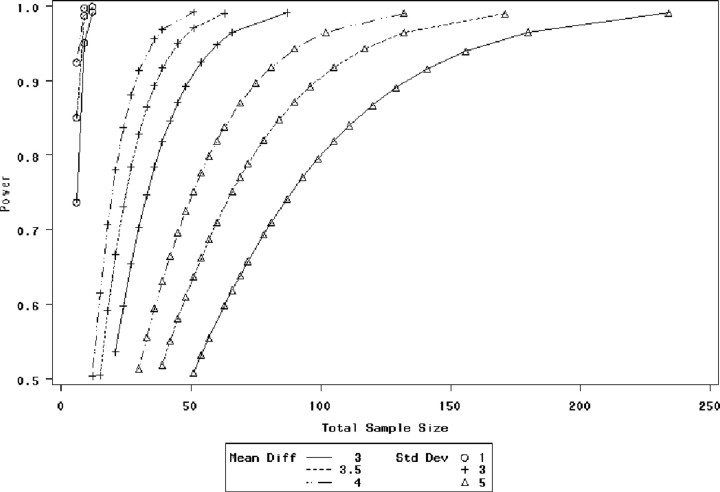
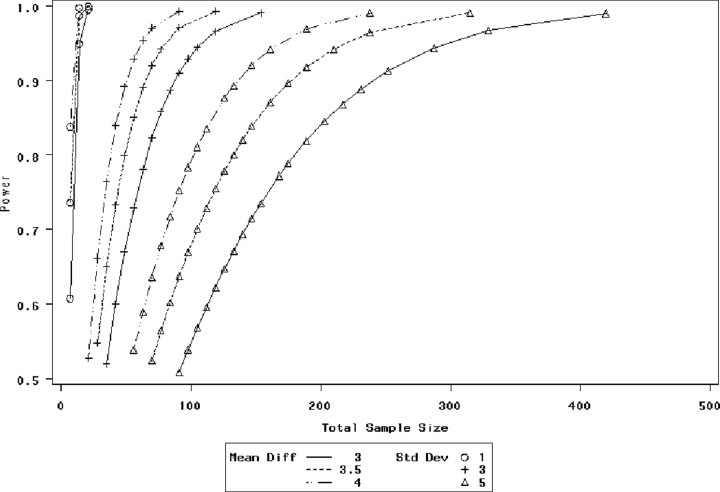
The knowledge gained from studying diverse populations should help to address inequities and prepare us to deal with the needs of the increasing number of older minorities in this country. At the same time, research that is not properly conducted threatens to lead us astray and misconstrue relationships and outcomes related to behavioral aspects of aging. In this article, we propose that simple comparisons between groups are neither necessary nor sufficient to advance our understanding of ethnic minorities. We discuss common pitfalls conducted in group-differences research, including a specific treatment on the issue of statistical power issues. Our goal is to encourage the use of multiple methodological designs in the study of issues related to racial and ethnic minorities by demonstrating some of the advantages of lesser employed approaches.
Figures

References
-
- Adler, N. E., Ostrove, J. M. (1999). Socioeconomic status and health: What we know and what we don't. Annals of N Y Academy of Science, 896,3-15. - PubMed
-
- Albert, M. S., Jones, K., Savage, C. R., Berkman, L., Seeman, T., Blazer, D., Rowe, J. (1995). Predictors of cognitive change in older persons: MacArthur Studies of Successful Aging. Psychology and Aging, 10,578-589. - PubMed
-
- Allaire, J. C., Whitfield, K. E. (2004). Relationships among education, age, and cognitive functioning in older African Americans: The impact of desegregation. Aging, Neuropsychology, and Cognition, 11,(4), 443-449.
-
- Cauce, A. M., Coronado, N., Watson, J. (1998). Conceptual, methodological and statistical issues in culturally competent research. In M. Hernandez & M. R. Isaacs (Eds.), Promoting cultural competence in children's mental health services (pp. 305–331). Baltimore: Brookes.
MeSH terms
Grants and funding
LinkOut - more resources
Full Text Sources
Medical
