


Low back pain in childhood and adolescence: a cross-sectional study in Niigata City
- PMID: 18830637
- PMCID: PMC2583196
- DOI: 10.1007/s00586-008-0788-5
Low back pain in childhood and adolescence: a cross-sectional study in Niigata City
Abstract
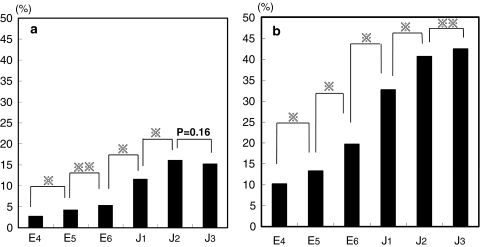
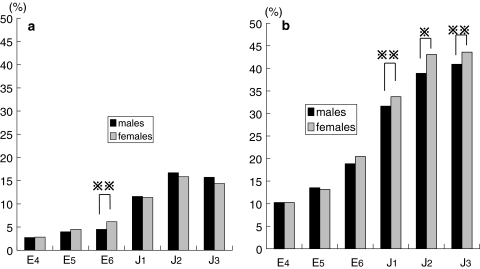
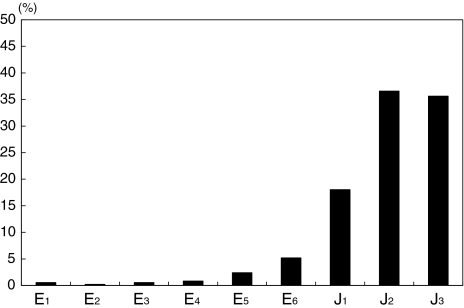
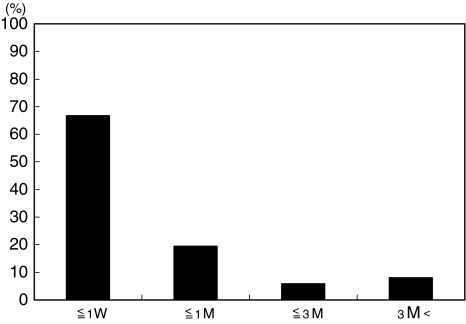
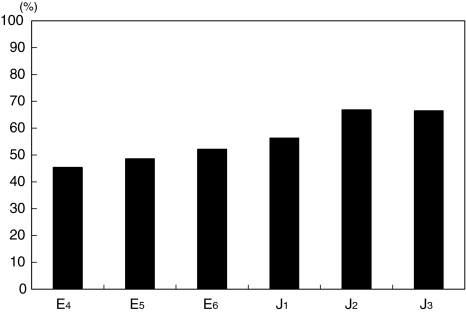
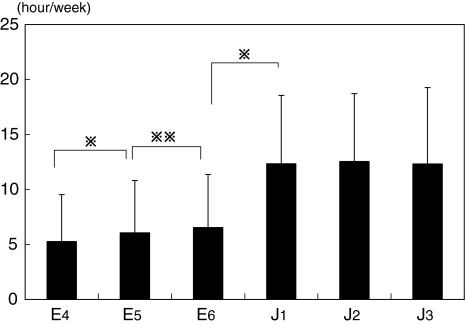
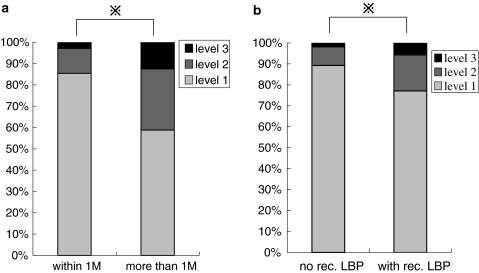
A cross-sectional study targeted a total of 43,630 pupils in Niigata City, Japan was performed. The objective was to clarify the present incidence of low back pain (LBP) in childhood and adolescence in Japan. It has recently been recognized that LBP in childhood and adolescence is also as common a problem as that for adults and most of these studies have been conducted in Europe, however, none have so far been made in Japan. A questionnaire survey was conducted using 43,630 pupils, including all elementary school students from the fourth to sixth grade (21,893 pupils) and all junior high students from the first to third year (21,737 pupils) in Niigata City (population of 785,067) to examine the point prevalence of LBP, the lifetime prevalence, the gender differences, the age of first onset of LBP in third year of junior high school students, the duration, the presence of recurrent LBP or not, the trigger of LBP, and the influences of sports and physical activities. In addition, the severity of LBP was divided into three levels (level 1: no limitation in any activity; level 2: necessary to refrain from participating in sports and physical activities, and level 3: necessary to be absent from school) in order to examine the factors that contribute to severe LBP. The validity rate was 79.8% and the valid response rate was 98.8%. The point prevalence was 10.2% (52.3% male and 47.7% female) and the lifetime prevalence was 28.8% (48.5% male and 51.5% female). Both increased as the grade level increased and in third year of junior high school students, a point prevalence was seen in 15.2% while a lifetime prevalence was observed in 42.5%. About 90% of these students experienced first-time LBP during the first and third year of junior high school. Regarding the duration of LBP, 66.7% experienced it for less than 1 week, while 86.1% suffered from it for less than 1 month. The recurrence rate was 60.5%. Regarding the triggers of LBP, 23.7% of them reported the influence of sports and exercise such as club activities and physical education, 13.5% reported trauma, while 55.6% reported no specific triggers associated with their LBP. The severity of LBP included 81.9% at level 1, 13.9% at level 2 and 4.2% at level 3. It was revealed that LBP in childhood and adolescence is also a common complaint in Japan, and these findings are similar to previous studies conducted in Europe. LBP increased as the grade level increased and it appeared that the point and lifetime prevalence in adolescence are close to the same levels as those seen in the adulthood and there was a tendency to have more severe LBP in both cases who experienced pain for more than 1 month and those with recurrent LBP.
Figures

References
-
- Balagué F, Dutoit G, Waldburger M. Low back pain in schoolchildren. An epidemiological study. Scand J Rehabil Med. 1988;20:175–179. - PubMed
-
- Balagué F, Skovron ML, Nordin M, Dutoti G, Pol LR, Waldburger M. Low back pain in schoolchildren—a study of familial and psychological factors. Spine. 1995;20:1265–1270. - PubMed
MeSH terms
LinkOut - more resources
Full Text Sources
Medical
Miscellaneous
