


Homeostatic regulation of blood neutrophil counts
- PMID: 18832668
- PMCID: PMC2745132
- DOI: 10.4049/jimmunol.181.8.5183
Homeostatic regulation of blood neutrophil counts
Abstract
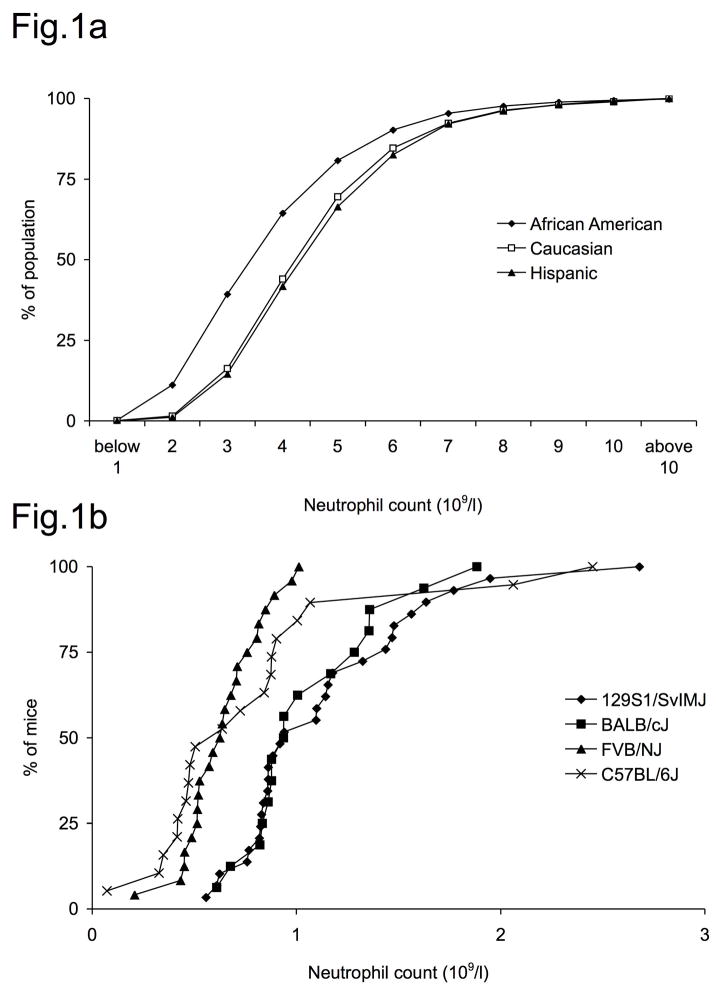
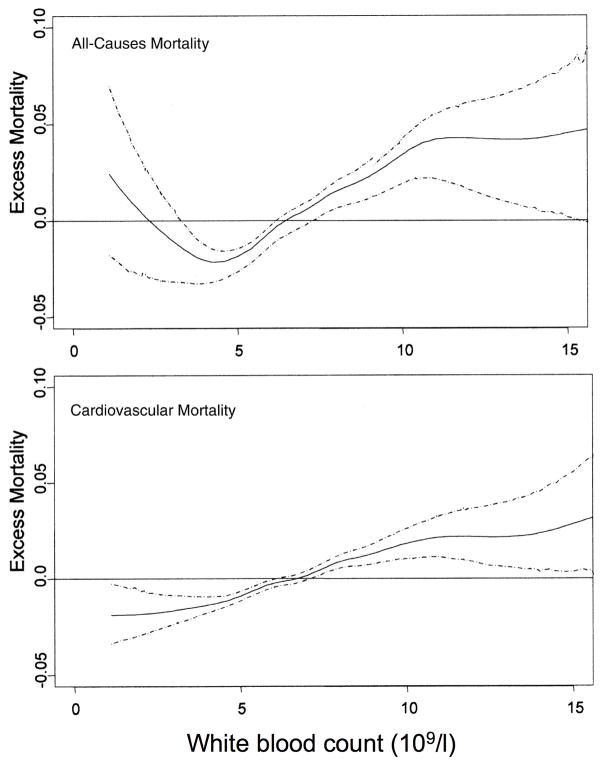
Blood neutrophil counts are determined by the differentiation and proliferation of precursor cells, the release of mature neutrophils from the bone marrow, margination, trafficking and transmigration through the endothelial lining, neutrophil apoptosis, and uptake by phagocytes. This brief review summarizes the regulation of blood neutrophil counts, which is in part controlled by G-CSF, IL-17, and IL-23. Neutrophils are retained in the bone marrow through interaction of CXCL12 with its receptor CXCR4. The relevance of this mechanism is illustrated by rare diseases in which disrupting the desensitization of CXCR4 results in failure to release mature neutrophils from bone marrow. Although blood neutrophil numbers in inbred mouse strains and individual human subjects are tightly controlled, their large variation among outbred populations suggests genetic factors. One example is benign ethnic neutropenia, which is found in some African Americans. Reduced and elevated neutrophil counts, even within the normal range, are associated with excess all-cause mortality.
Figures
References
-
- Nathan C. Neutrophils and immunity: challenges and opportunities. Nat Rev Immunol. 2006;6:173–182. - PubMed
-
- Price TH, Chatta GS, Dale DC. Effect of recombinant granulocyte colony-stimulating factor on neutrophil kinetics in normal young and elderly humans. Blood. 1996;88:335–340. - PubMed
-
- Basu S, Hodgson G, Katz M, Dunn AR. Evaluation of role of G-CSF in the production, survival, and release of neutrophils from bone marrow into circulation. Blood. 2002;100:854–861. - PubMed
-
- Terashima T, Wiggs B, English D, Hogg JC, van Eeden SF. Polymorphonuclear leukocyte transit times in bone marrow during streptococcal pneumonia. Am J Physiol. 1996;271:L587–592. - PubMed
Publication types
MeSH terms
Substances
Grants and funding
LinkOut - more resources
Full Text Sources
Molecular Biology Databases
