


Regulation of beta-amyloid levels in the brain of cholesterol-fed rabbit, a model system for sporadic Alzheimer's disease
- PMID: 18845178
- PMCID: PMC2629555
- DOI: 10.1016/j.mad.2008.09.002
Regulation of beta-amyloid levels in the brain of cholesterol-fed rabbit, a model system for sporadic Alzheimer's disease
Expression of concern in
-
Expression of concern: Regulation of β-amyloid levels in the brain of cholesterol-fed rabbit, a model system for sporadic Alzheimer's disease.Mech Ageing Dev. 2025 Dec;228:112121. doi: 10.1016/j.mad.2025.112121. Epub 2025 Oct 17. Mech Ageing Dev. 2025. PMID: 41330691 No abstract available.
Abstract
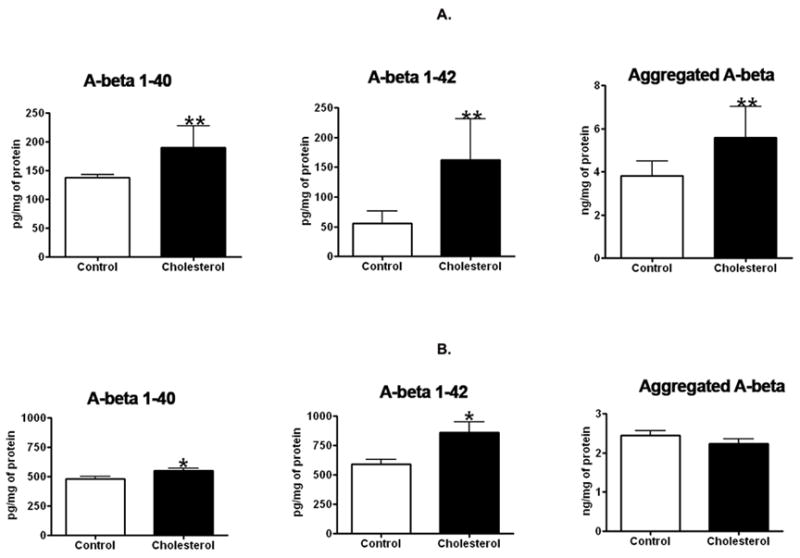
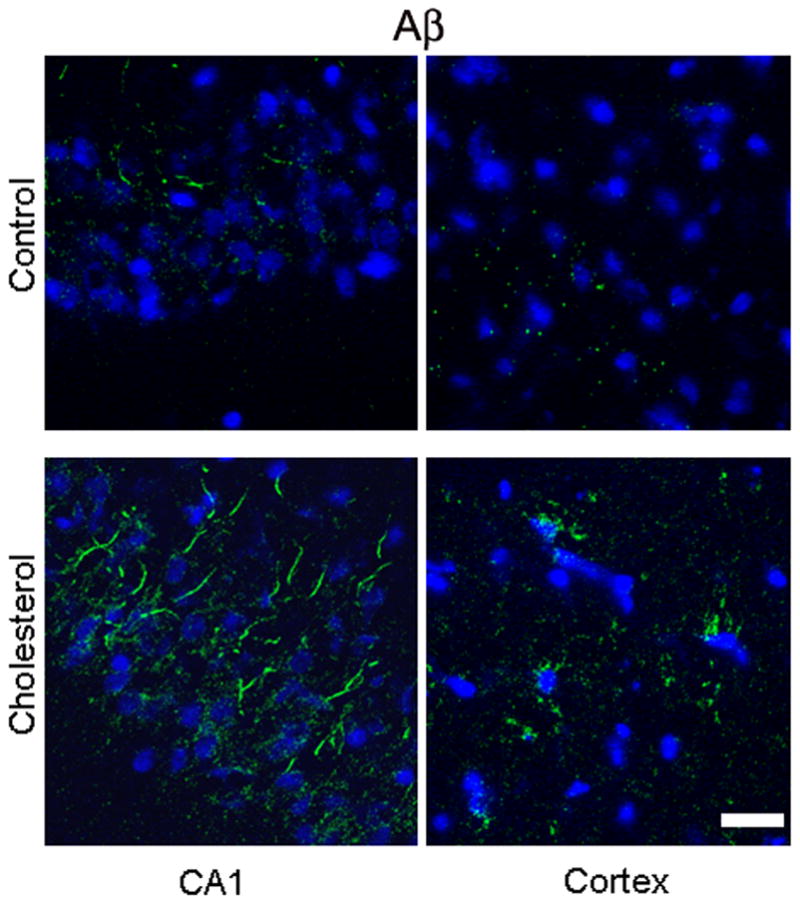
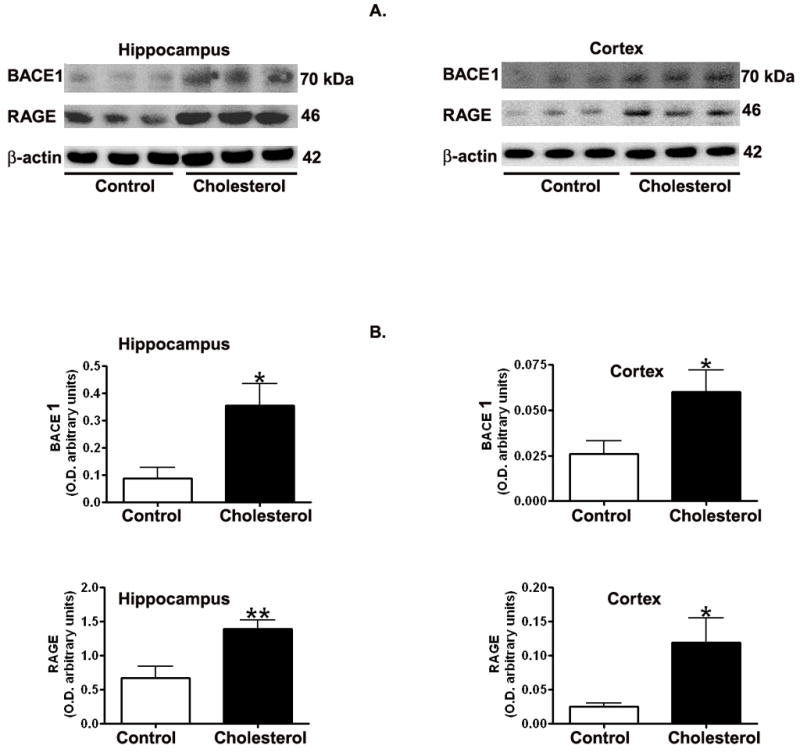
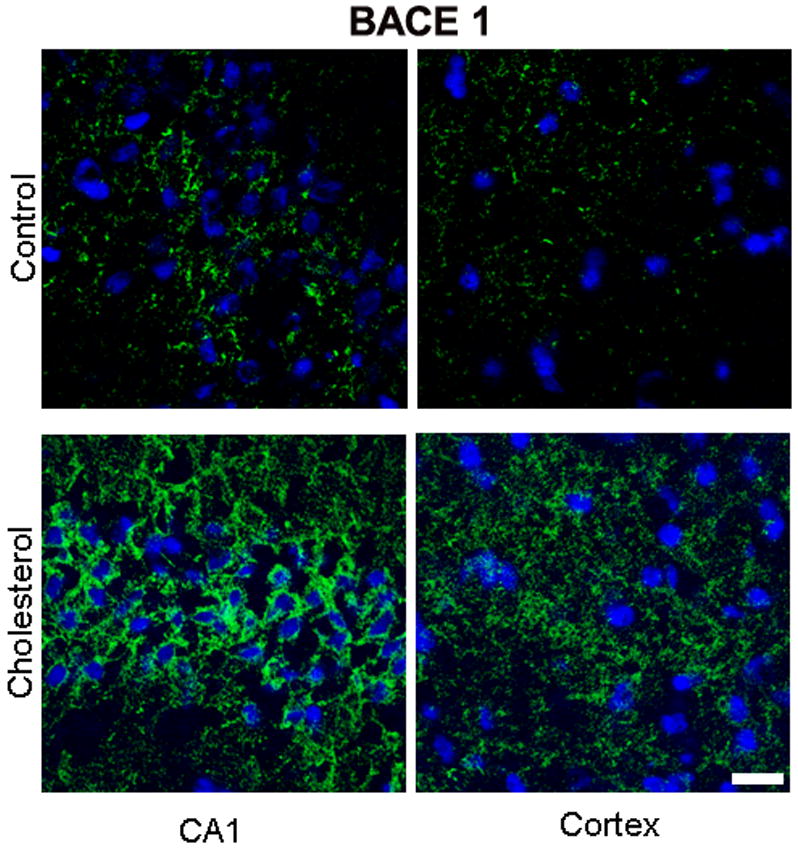
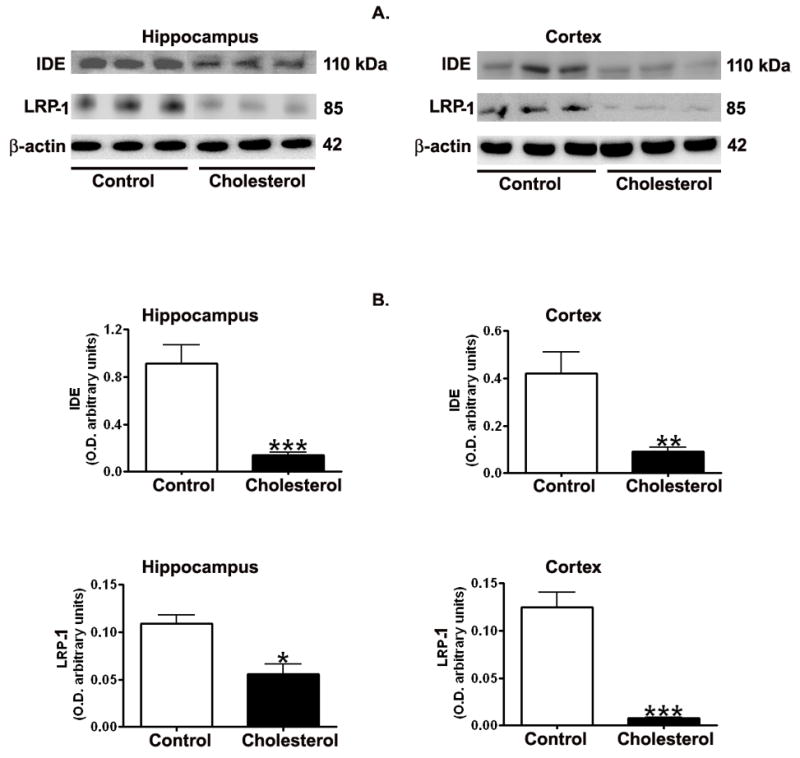
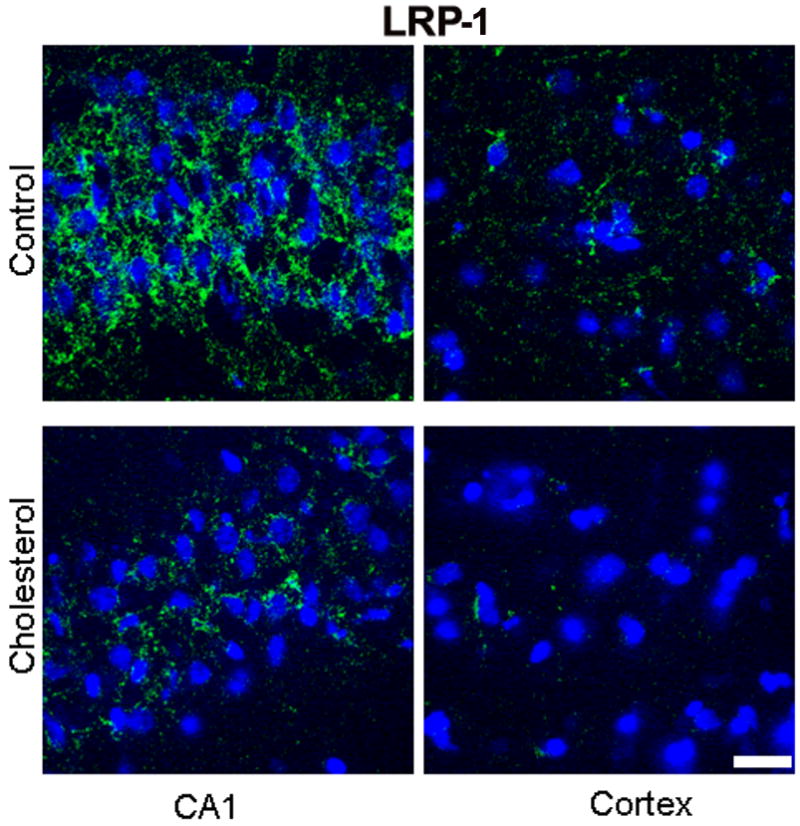
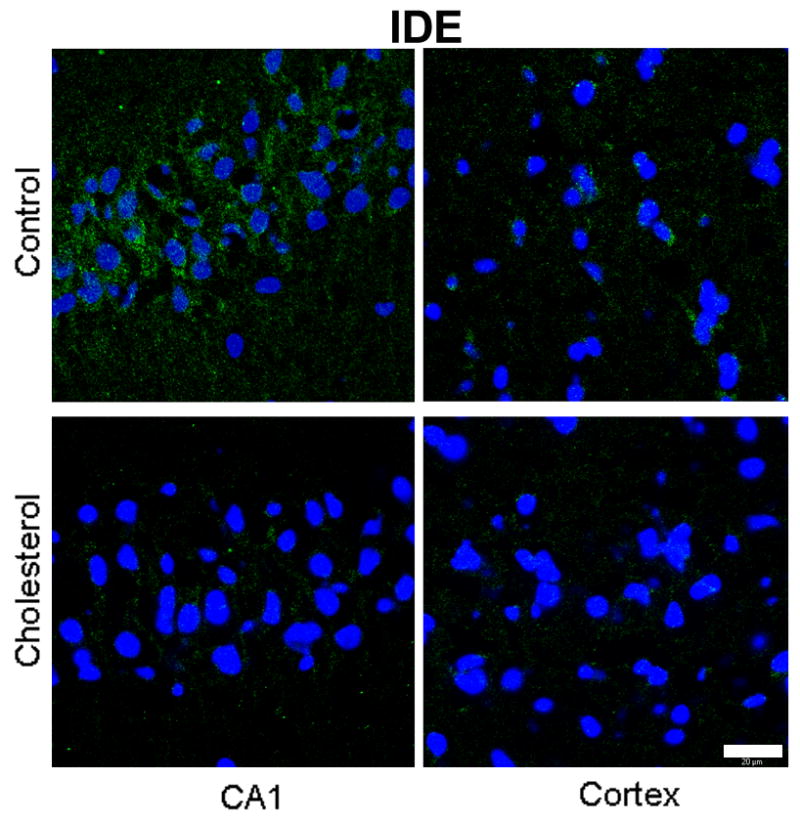
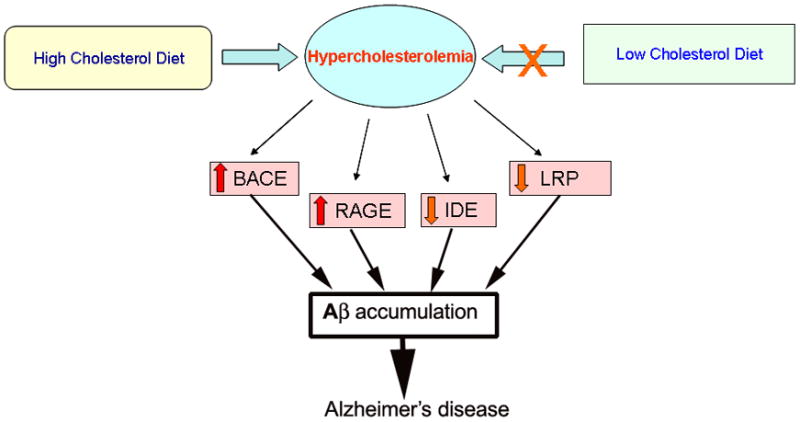
Accumulation of beta-amyloid (Abeta) peptide in the brain is a major hallmark of Alzheimer's disease (AD). Hypercholesterolemia is a risk factor for AD and has been shown by laboratory studies to cause Abeta accumulation. Abeta levels in the brain are governed by its generation from amyloid precursor protein by beta-secretase (BACE1), degradation by the insulin degrading enzyme (IDE), clearance from the brain by the low density lipoprotein receptor-related protein (LRP-1), and transport from circulation into the brain by receptor for advanced glycation end products (RAGE). However, the mechanisms by which hypercholesterolemia causes Abeta accumulation in the brain and contributes to the pathogenesis of AD are still to be determined. In the present study, we determined the extent to which hypercholesterolemia-induced Abeta accumulation is associated with alterations in BACE1, IDE, LRP-1, and RAGE expression levels. We show that hypercholesterolemia increases Abeta production, an effect that is associated with increased levels of BACE1 and RAGE and reduced levels of IDE and LRP-1. These results suggest that reducing Abeta accumulation in the brain may require strategies that combine reduction of generation and transport of Abeta in addition to acceleration of degradation and clearance of this peptide.
Figures

References
-
- Affholter JA, Hsieh CL, Francke U, Roth RA. Insulin degrading enzyme: stable expression of the human complementary DNA, characterization of its protein product, and chromosomal mapping of the human and mouse genes. Molecular Endocrinology. 1990;4(8):1125–1135. - PubMed
Publication types
MeSH terms
Substances
Grants and funding
LinkOut - more resources
Full Text Sources
Medical
Miscellaneous
