


Dimensions of physical activity and their relationship to physical and emotional symptoms in breast cancer survivors
- PMID: 18923906
- PMCID: PMC3076788
- DOI: 10.1007/s11764-008-0067-9
Dimensions of physical activity and their relationship to physical and emotional symptoms in breast cancer survivors
Abstract
Background: Many breast cancer survivors experience long term sequelae, including fatigue, decreased physical functioning, pain, and psychological distress. Physical activity can ameliorate these problems, but there is little research on how activity should be performed to be most beneficial. This study explores how dimensions of physical activity (total energy expenditure, frequency, and duration) are associated with symptoms among breast cancer survivors.
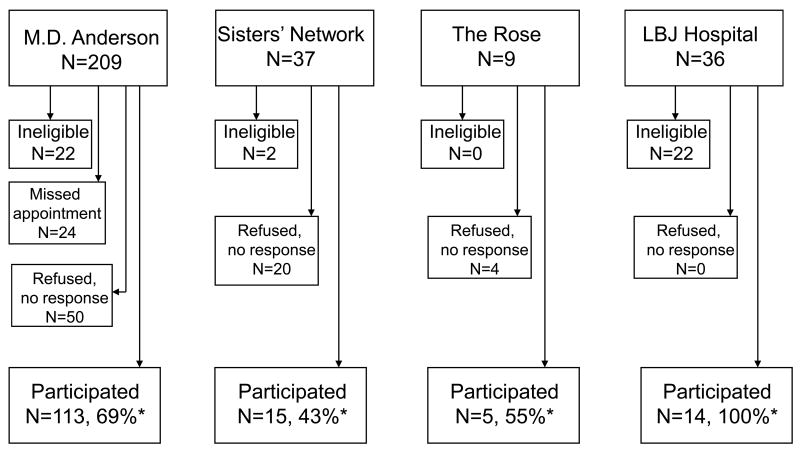
Methods: We conducted a secondary analysis of data on physical activity behavior and symptoms in a cross-sectional study (n = 148) of breast cancer survivors who were off treatment and had been diagnosed within the past 5 years.
Results: Multivariate analyses showed that total energy expenditure was associated with better general health (p = 0.006) and fewer depressive symptoms (p = 0.014), while frequency of activity was linearly related to physical functioning (p = 0.047), pain (0.057), general health (p < 0.001), and depressive symptoms (p < 0.001). Duration was related to physical functioning, pain, and general health, but the worst outcomes were reported by the participants with the shortest and longest duration of activity (quadratic trend p values = 0.002, 0.003, 0.008, respectively).
Discussion/conclusions: Greater total energy expenditure, higher physical activity frequency, and moderate duration were associated with better outcomes for most symptoms, although there was no relationship between any of the dimensions of physical activity and fatigue.
Implications for cancer survivors: The association of better outcomes with higher energy expenditure, higher frequency of activity, and moderate duration indicates that increasing activity through multiple short bouts may be the most beneficial for breast cancer survivors. However, randomized studies are needed to confirm this finding.
Figures
References
-
- Ganz PA, Kwan L, Stanton AL, et al. Quality of life at the end of primary treatment of breast cancer: First results from the Moving Beyond Cancer randomized trial. Journal of the National Cancer Institute. 2004;96(5):376–387. - PubMed
-
- Ganz PA, Coscarelli A, Fred C, Kahn B, Polinsky ML, Petersen L. Breast cancer survivors: Psychosocial concerns and quality of life. Breast Cancer Research and Treatment. 1996;38:183–199. - PubMed
-
- Dow KH, Ferell BR, Leigh S, Ly J, Gulasekaram P. An evaluation of the quality of life among long-term survivors of breast cancer. Breast Cancer Research and Treatment. 1996;39:261–273. - PubMed
-
- Polinsky ML. Functional status of long-term breast cancer survivors: Demonstrating chronicity. Health and Social Work. 1994;19(3):165–173. - PubMed
-
- Ganz PA, Rowland JH, Desmond K, Meyerowitz BE, Wyatt GE. Life after breast cancer: Understanding women's health-related quality of life and sexual functioning. Journal of Clinical Oncology. 1998;16(2):501–514. - PubMed
Publication types
MeSH terms
Grants and funding
LinkOut - more resources
Full Text Sources
Medical
Miscellaneous
