


Decreased expression of CD200 and CD200 receptor in Alzheimer's disease: a potential mechanism leading to chronic inflammation
- PMID: 18938162
- PMCID: PMC2765462
- DOI: 10.1016/j.expneurol.2008.09.003
Decreased expression of CD200 and CD200 receptor in Alzheimer's disease: a potential mechanism leading to chronic inflammation
Abstract
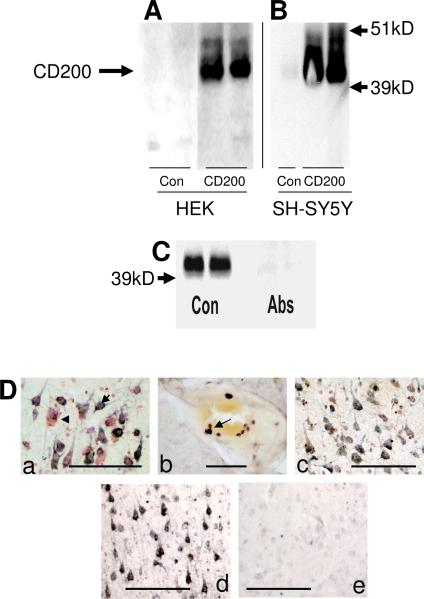
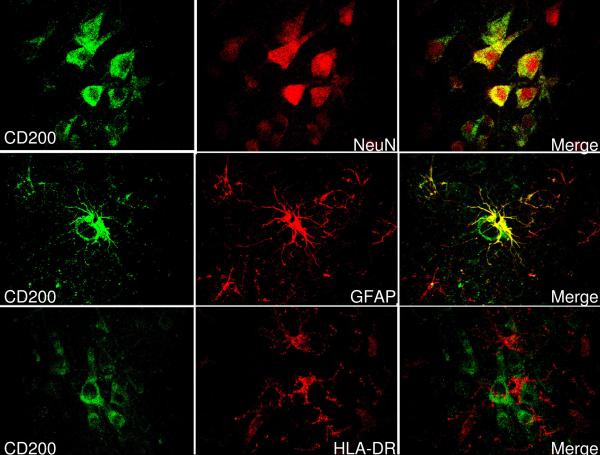
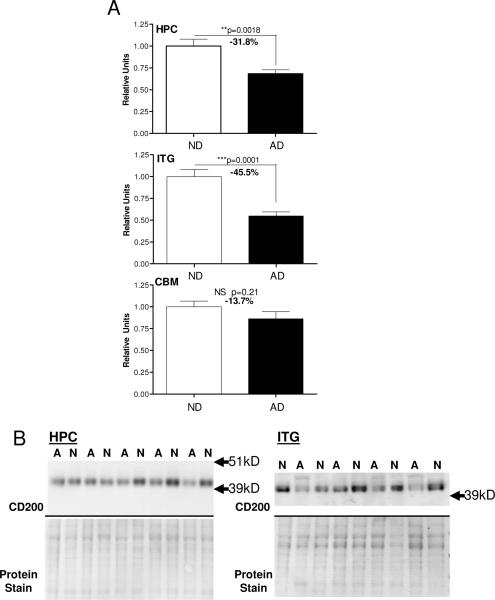
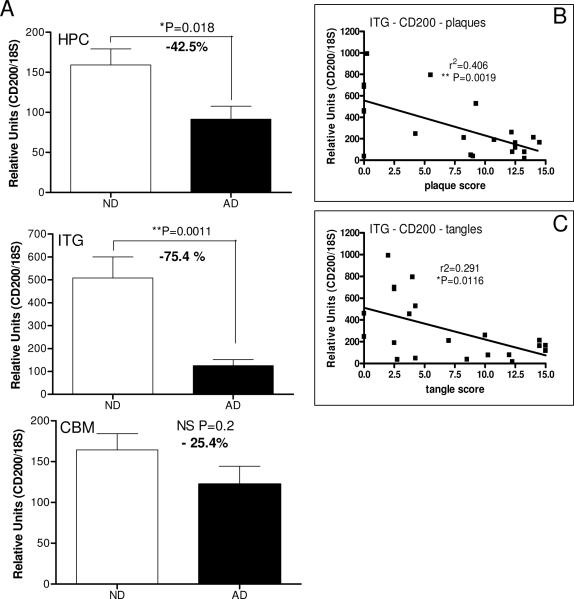
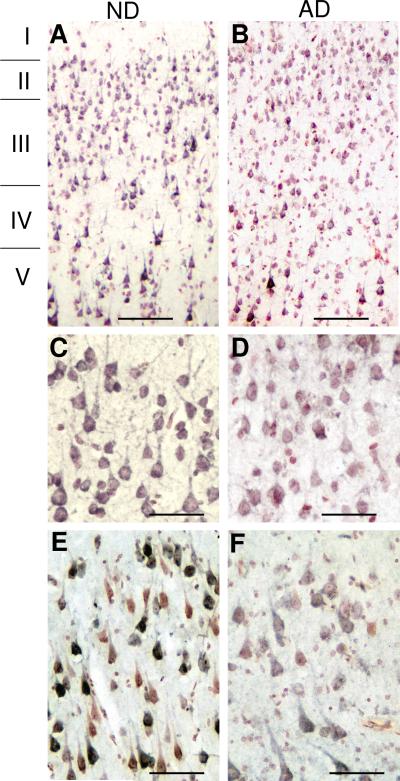
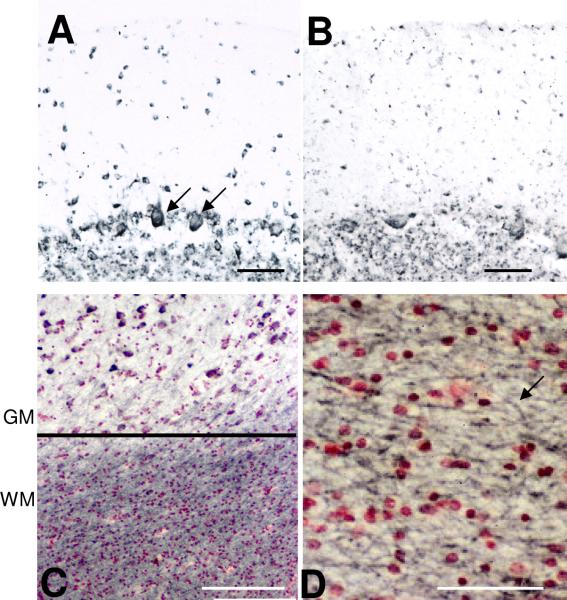
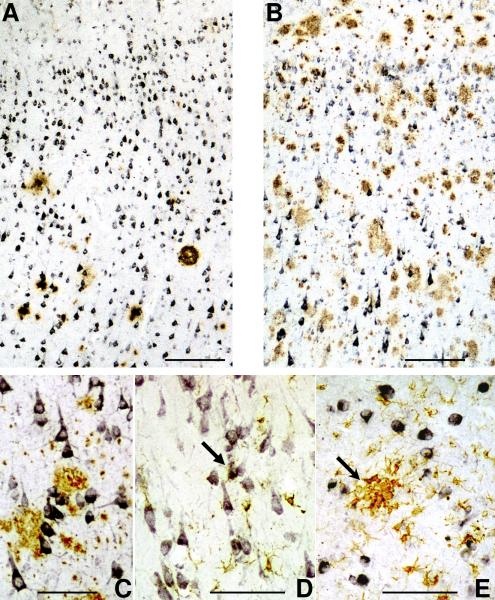
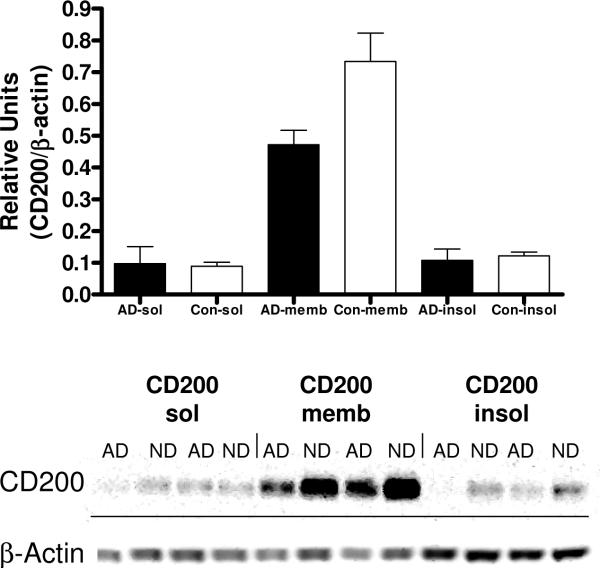
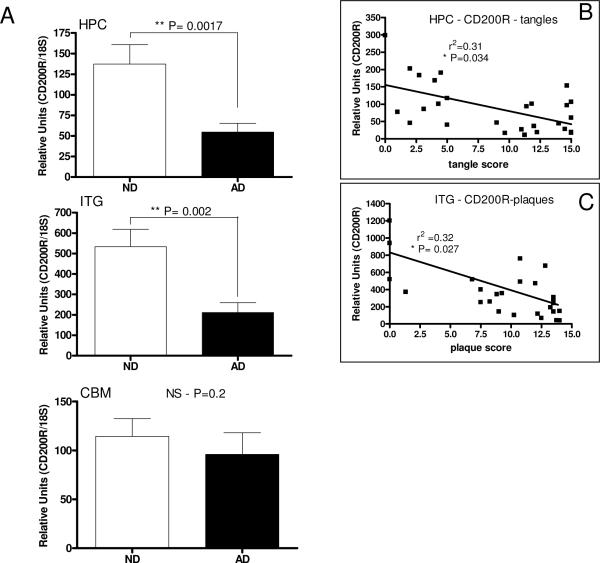
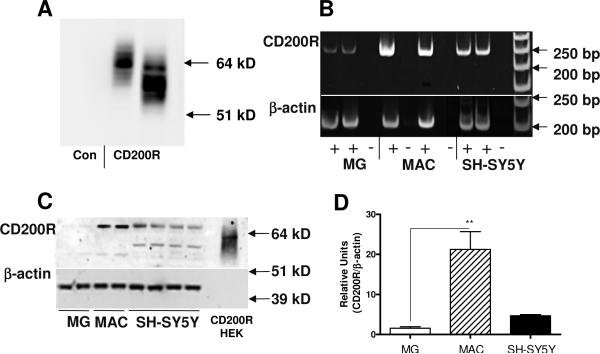
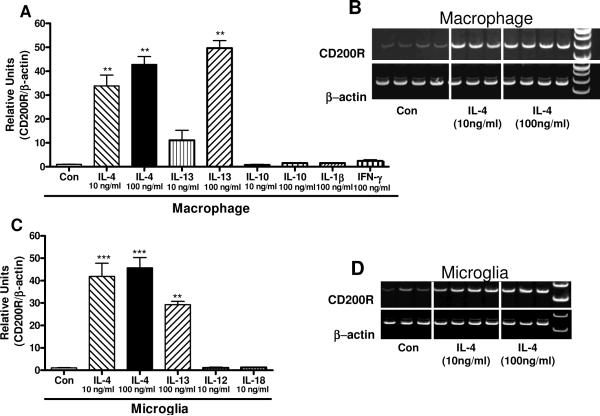
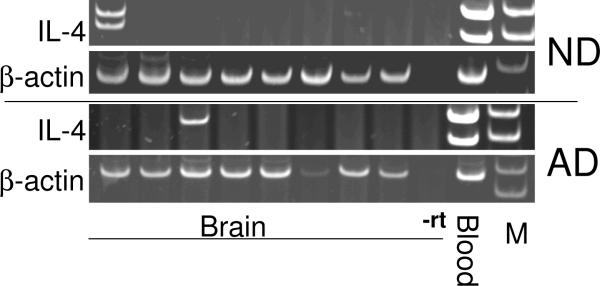
Inflammatory activation of microglia in response to neurodegenerative changes in diseases such as Alzheimer's disease (AD) and Parkinson's disease has been extensively described. These observations have suggested that inflammation could be contributing to disease progression. In this paper, the potential role of CD200 and CD200 receptor (CD200R), whose known functions are to activate anti-inflammatory pathways and induce immune tolerance through binding of CD200 to CD200 receptor (CD200R), was studied in AD. Quantitative studies showed a significant decrease in CD200 protein and mRNA in AD hippocampus and inferior temporal gyrus, but not cerebellum. Immunohistochemistry of brain tissue sections of hippocampus, superior frontal gyrus, inferior temporal gyrus and cerebellum from AD and non-demented cases demonstrated a predominant, though heterogeneous, neuronal localization for CD200. Decreased neuronal expression was apparent in brain regions affected by AD pathology. There was also a significant decrease in CD200R mRNA expression in AD hippocampus and inferior temporal gyrus, but not cerebellum. Low expression of CD200R by microglia was confirmed at the mRNA and protein level using cultured human microglia compared to blood-derived macrophages. Treatment of microglia and macrophages with interleukin-4 and interleukin-13 significantly increased expression of CD200R. Expression of these cytokines was not generally detectable in brain. These data indicate that the anti-inflammatory CD200/CD200R system may be deficient in AD brains. Mechanisms aimed at increasing levels of CD200 and CD200R could have therapeutic potential for controlling inflammation in human neurodegenerative diseases.
Figures
References
-
- Banerjee D, Dick AD. Blocking CD200-CD200 receptor axis augments NOS-2 expression and aggravates experimental autoimmune uveoretinitis in Lewis rats. Ocul Immunol Inflamm. 2004;12:115–125. - PubMed
-
- Barclay AN, Wright GJ, Brooke G, Brown MH. CD200 and membrane protein interactions in the control of myeloid cells. Trends Immunol. 2002;23:285–290. - PubMed
-
- Boudakov I, Liu J, Fan N, Gulay P, Wong K, Gorczynski RM. Mice lacking CD200R1 show absence of suppression of lipopolysaccharide-induced tumor necrosis factor-alpha and mixed leukocyte culture responses by CD200. Transplantation. 2007;84:251–257. - PubMed
-
- Chen DX, Gorczynski RM. Discrete monoclonal antibodies define functionally important epitopes in the CD200 molecule responsible for immunosuppression function. Transplantation. 2005;79:282–288. - PubMed
-
- Chen J, Zhou Y, Mueller-Steiner S, Chen LF, Kwon H, Yi S, Mucke L, Gan L. SIRT1 protects against microglia-dependent amyloid-beta toxicity through inhibiting NF-kappaB signaling. J. Biol. Chem. 2005;280:40364–40374. - PubMed
Publication types
MeSH terms
Substances
Grants and funding
LinkOut - more resources
Full Text Sources
Other Literature Sources
Medical
