


Reduction of opioid withdrawal and potentiation of acute opioid analgesia by systemic AV411 (ibudilast)
- PMID: 18938237
- PMCID: PMC2662518
- DOI: 10.1016/j.bbi.2008.09.012
Reduction of opioid withdrawal and potentiation of acute opioid analgesia by systemic AV411 (ibudilast)
Abstract
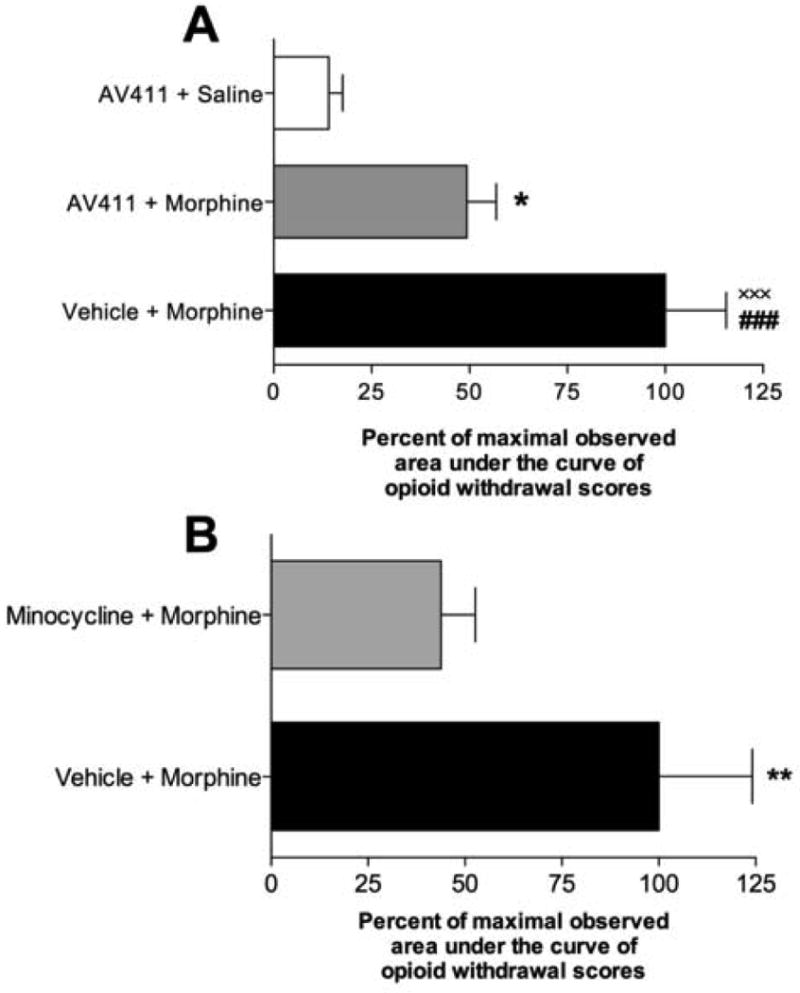
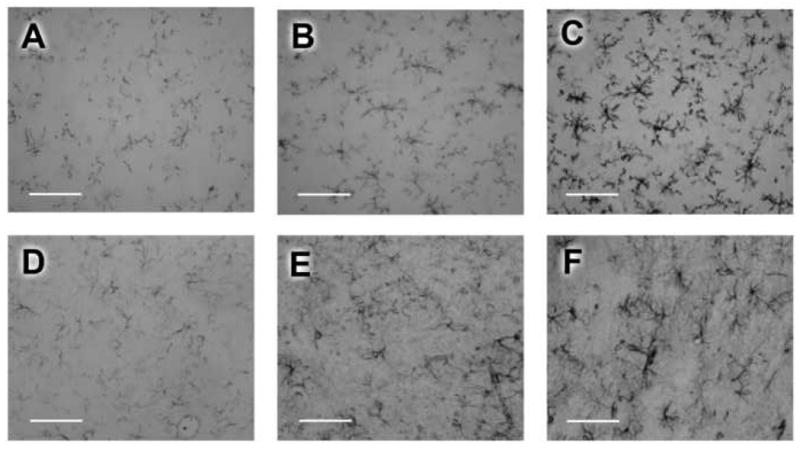
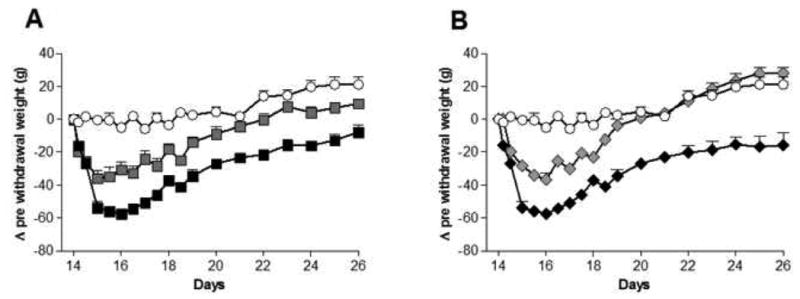
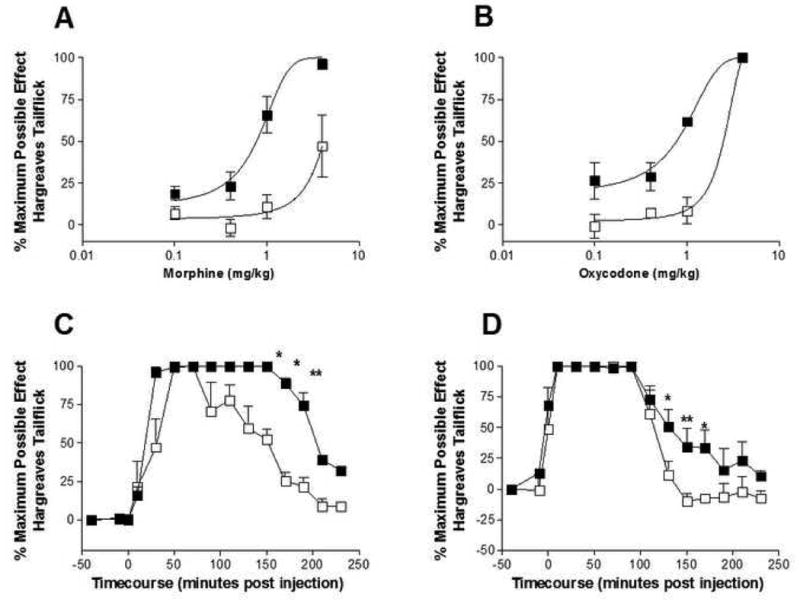
Morphine-induced glial proinflammatory responses have been documented to contribute to tolerance to opioid analgesia. Here, we examined whether drugs previously shown to suppress glial proinflammatory responses can alter other clinically relevant opioid effects; namely, withdrawal or acute analgesia. AV411 (ibudilast) and minocycline, drugs with distinct mechanisms of action that result in attenuation of glial proinflammatory responses, each reduced naloxone-precipitated withdrawal. Analysis of brain nuclei associated with opioid withdrawal revealed that morphine altered expression of glial activation markers, cytokines, chemokines, and a neurotrophic factor. AV411 attenuated many of these morphine-induced effects. AV411 also protected against spontaneous withdrawal-induced hyperactivity and weight loss recorded across a 12-day timecourse. Notably, in the spontaneous withdrawal study, AV411 treatment was delayed relative to the start of the morphine regimen so to also test whether AV411 could still be effective in the face of established morphine dependence, which it was. AV411 did not simply attenuate all opioid effects, as co-administering AV411 with morphine or oxycodone caused three-to-five-fold increases in acute analgesic potency, as revealed by leftward shifts in the analgesic dose response curves. Timecourse analyses revealed that plasma morphine levels were not altered by AV411, suggestive that potentiated analgesia was not simply due to prolongation of morphine exposure or increased plasma concentrations. These data support and extend similar potentiation of acute opioid analgesia by minocycline, again providing converging lines of evidence of glial involvement. Hence, suppression of glial proinflammatory responses can significantly reduce opioid withdrawal, while improving analgesia.
Figures
References
-
- Alonso E, Garrido E, Diez-Fernandez C, Perez-Garcia C, Herradon G, Ezquerra L, Deuel TF, Alguacil LF. Yohimbine prevents morphine-induced changes of glial fibrillary acidic protein in brainstem and alpha(2)-adrenoceptor gene expression in hippocampus. Neuroscience Letters. 2007;412:163–7. - PubMed
-
- Andjelkov N, Elvenes J, Martin J, Johansen O. Opiate regulation of IL-1beta and TNF-alpha in cultured human articular chondrocytes. Biochem Biophys Res Commun. 2005;333:1295–9. - PubMed
-
- Azar MR, Ahmed SH, Lintz R, Gutierrez T, Stinus L, Koob GF. A non-invasive gating device for continuous drug delivery that allows control over the timing and duration of spontaneous opiate withdrawal. Journal of Neuroscience Methods. 2004;135:129–35. - PubMed
-
- Baumeister AA, Anticich TG, Hebert G, Hawkins MF, Nagy M. Evidence that physical dependence on morphine is mediated by the ventral midbrain. Neuropharmacology. 1989;28:1151–7. - PubMed
-
- Baumeister AA, Richard AL, Richmond-Landeche L, Hurry MJ, Waguespack AM. Further studies of the role of opioid receptors in the nigra in the morphine withdrawal syndrome. Neuropharmacology. 1992;31:835–41. - PubMed
Publication types
MeSH terms
Substances
Grants and funding
LinkOut - more resources
Full Text Sources
Other Literature Sources
