


Contaminants in human milk: weighing the risks against the benefits of breastfeeding
- PMID: 18941560
- PMCID: PMC2569122
Item in Clipboard
Contaminants in human milk: weighing the risks against the benefits of breastfeeding
Environ Health Perspect.
2008 Oct.
No abstract available
Figures
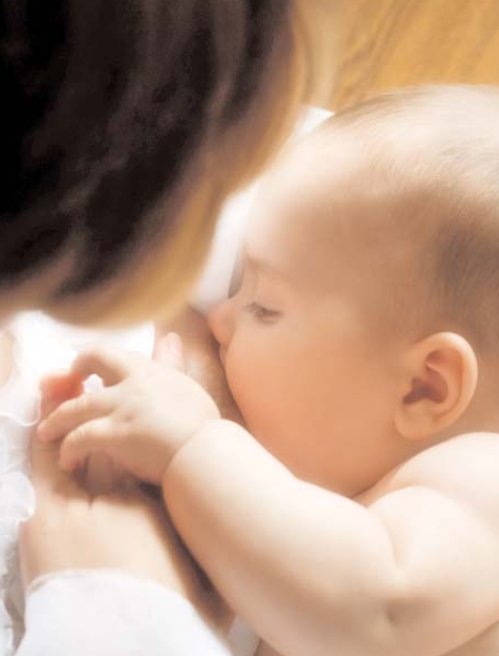
The mother supports the host defense of the infant in two ways. One is via antibodies from her blood that are actively transported over the placenta to the infant’s circulation during fetal life and are ready for use from birth on. The other is due to the numerous and complex defense factors provided via the mother’s milk, available directly after delivery. –Lars Hanson Göteborg University

Many of the environmental chemicals that are commonly measured in human milk derive from the mother’s diet. –Richard Wang National Center for Environmental Health Centers for Disease Control and Prevention
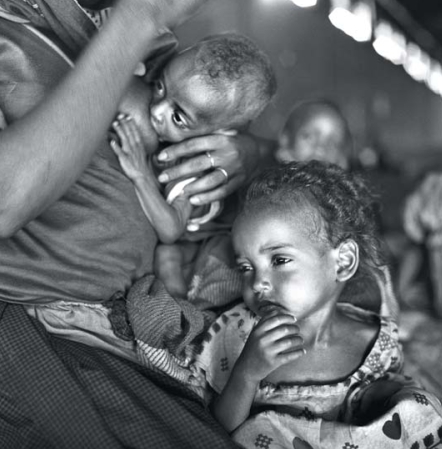
Not breastfeeding [during mild-to-moderate maternal malnutrition] may only worsen the situation for the infant in question, who is deprived of the many benefits of human milk, as well as for the other family members when scarce resources are used to provide a nutritionally adequate substitute. –James Akre International Board of Lactation Consultant Examiners
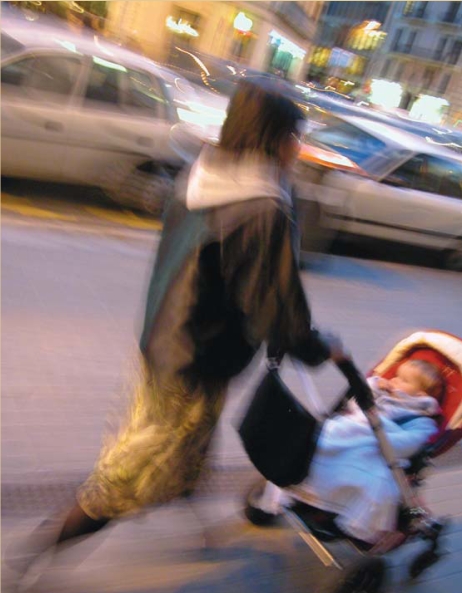
The fact that studies of child [health] outcomes in highly polluted areas are still better for the breastfed infant . . . would seem to indicate that certain factors in the production of human milk and in the milk itself, immunological and other, may mitigate or lessen the potential harm of the ambient pollution. –Miriam Labbok Carolina Breastfeeding Institute University of North Carolina, Chapel Hill

Breastfeeding mothers should be helped and advised on how to avoid alcohol and drugs and remove themselves from polluted environments, while also creating healthier, safer, and cleaner environments for themselves and their children. –Jenny Pronczuk World Health Organization

Publication types
MeSH terms
Substances
LinkOut - more resources
Full Text Sources
Medical