


Migratory and lymphoid-resident dendritic cells cooperate to efficiently prime naive CD4 T cells
- PMID: 18951047
- PMCID: PMC2746692
- DOI: 10.1016/j.immuni.2008.08.013
Migratory and lymphoid-resident dendritic cells cooperate to efficiently prime naive CD4 T cells
Abstract
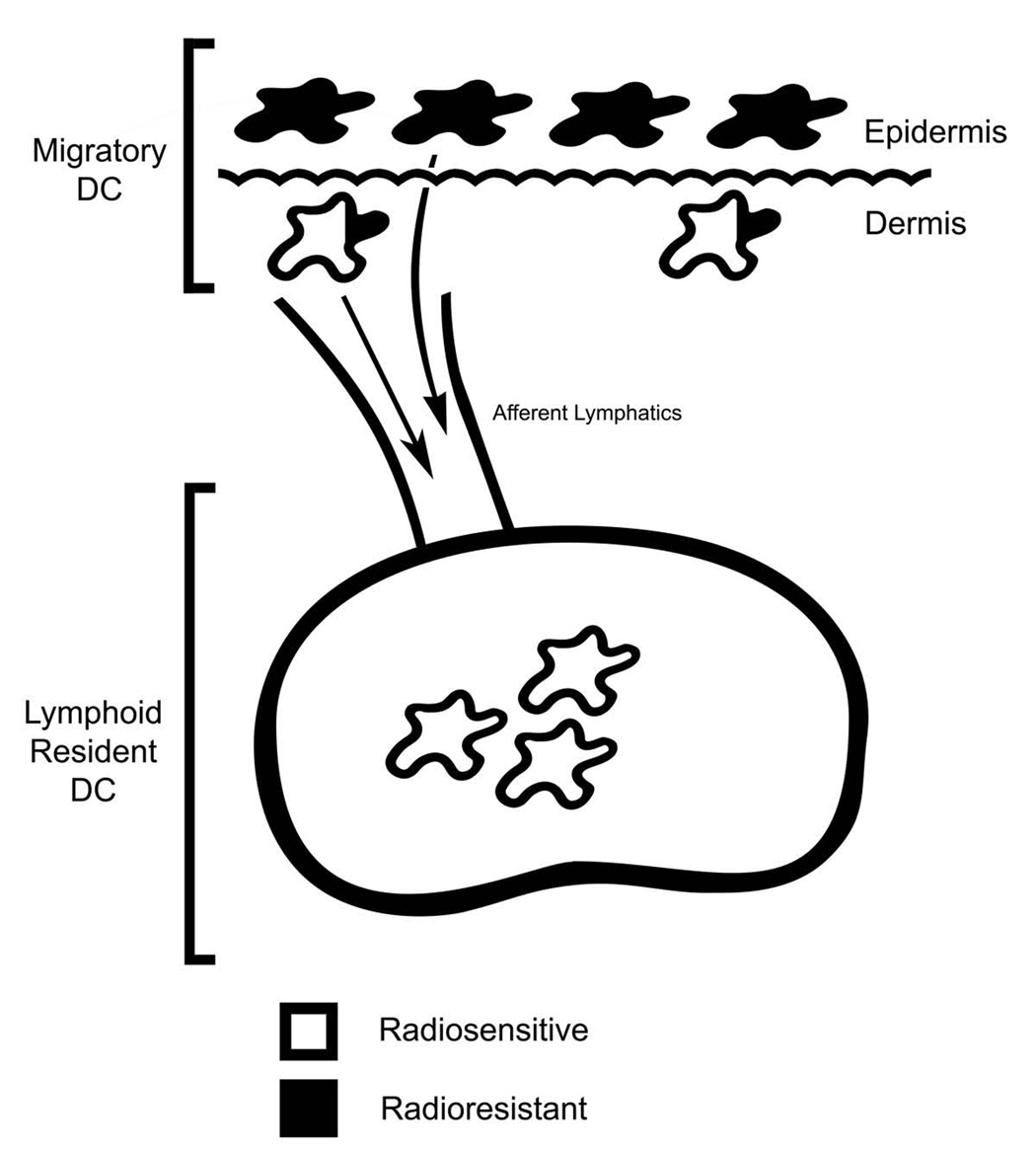
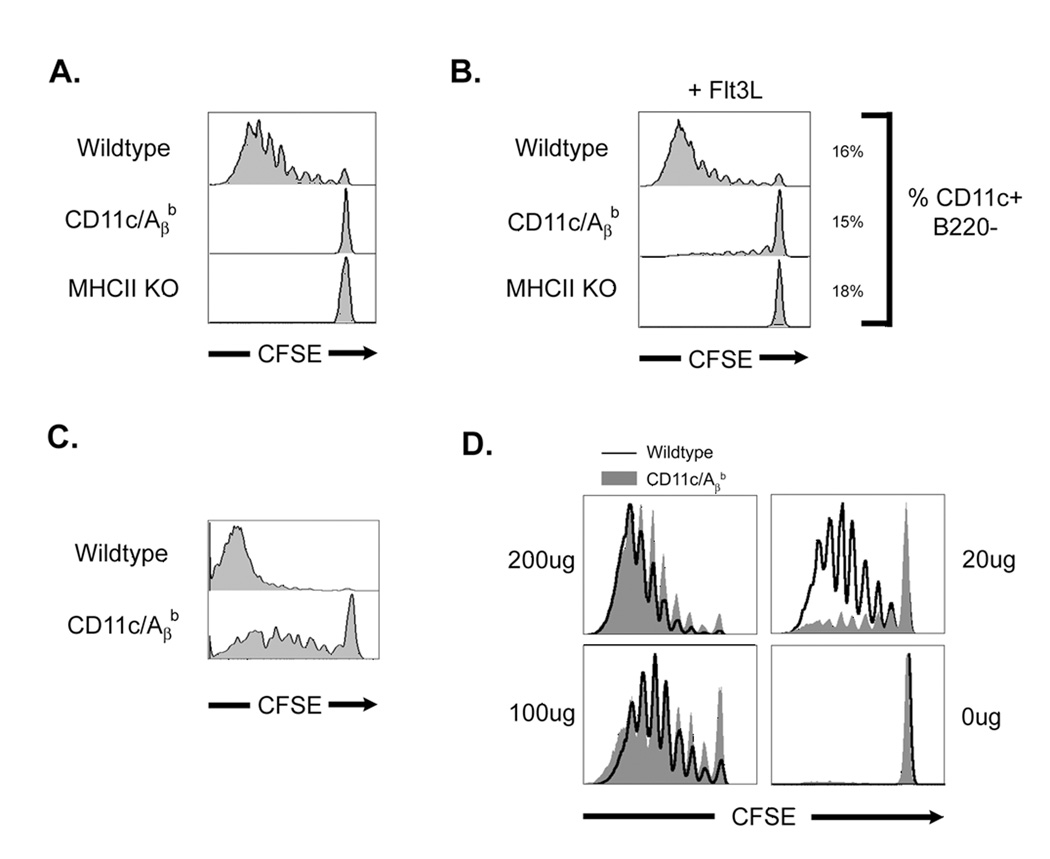
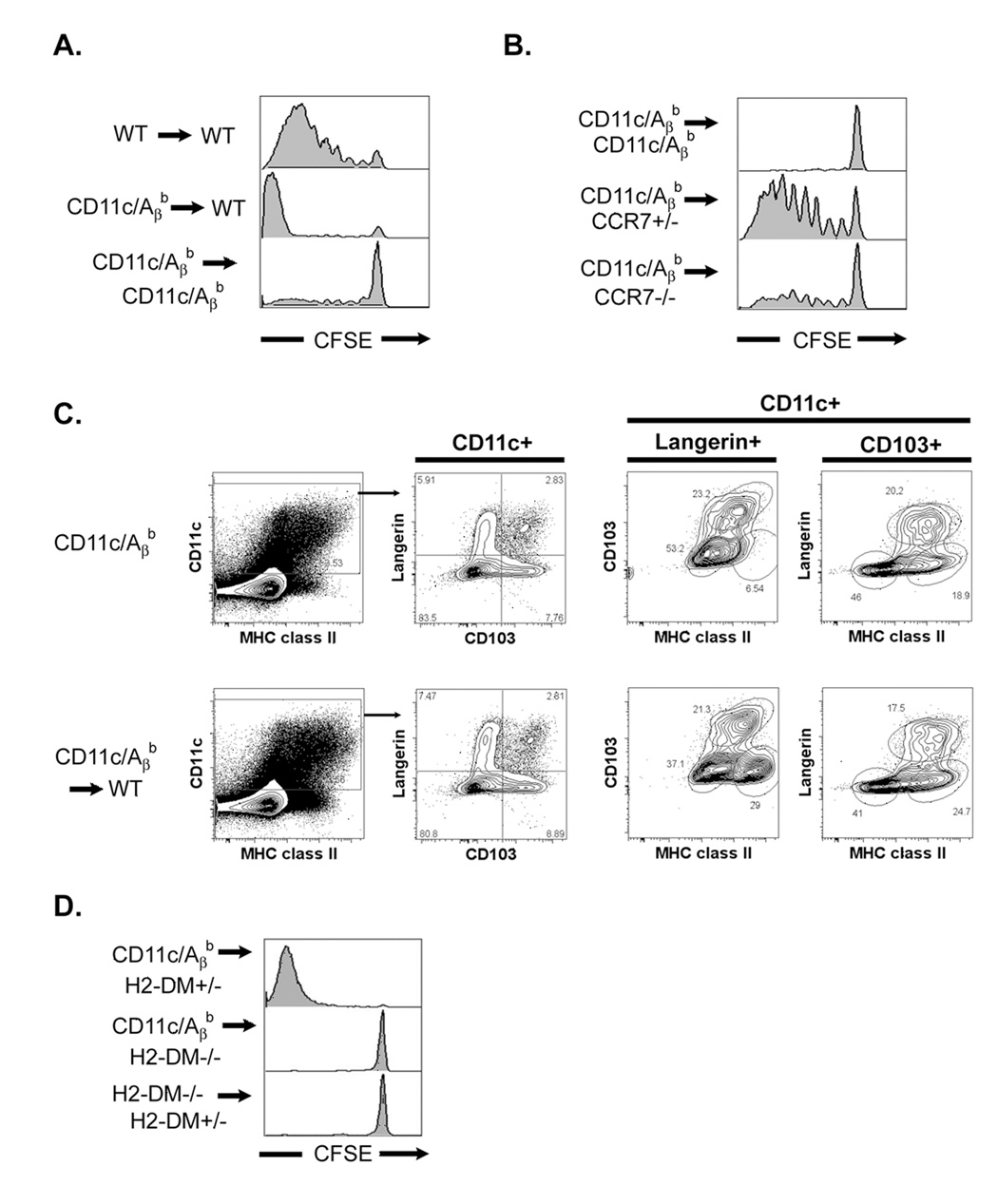
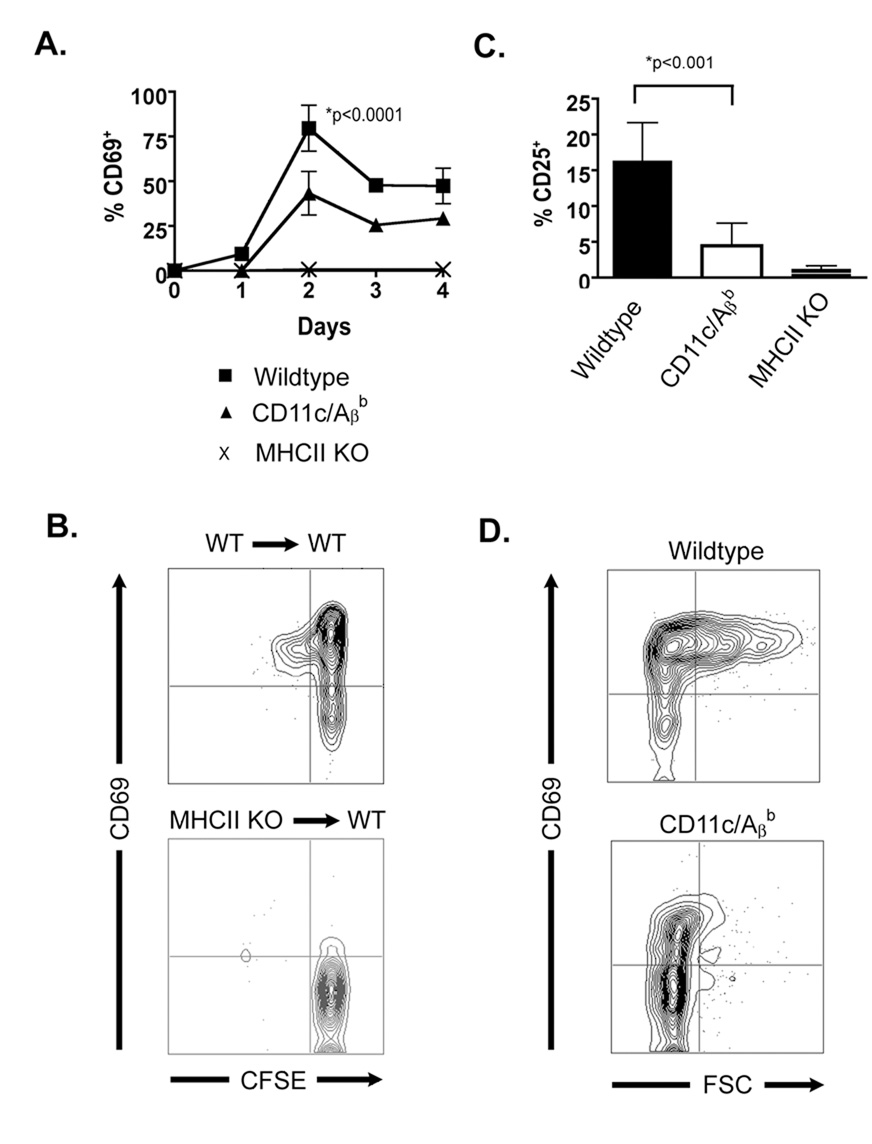
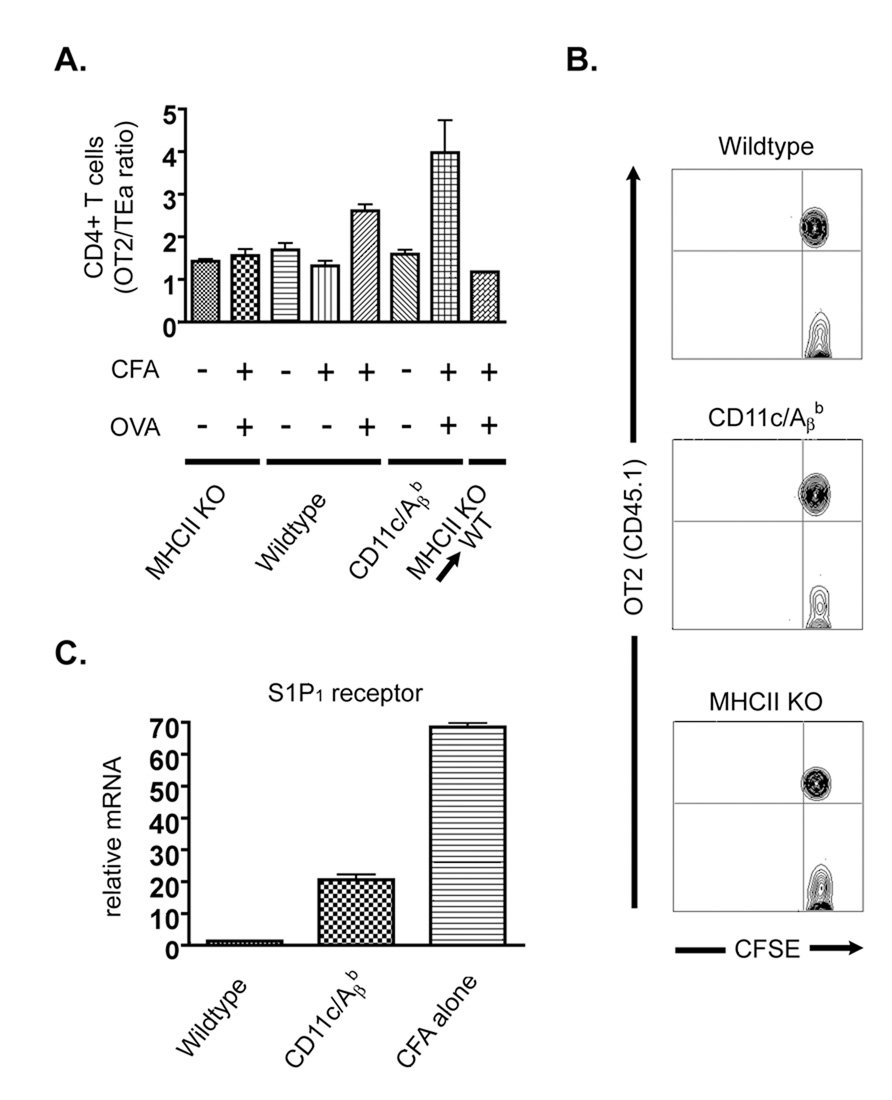
To initiate an adaptive immune response, rare antigen-specific naive CD4(+) T cells must interact with equally rare dendritic cells (DCs) bearing cognate peptide-major histocompatibility complex (MHC) complexes. Lymph nodes (LNs) draining the site of antigen entry are populated by lymphoid-resident DCs as well as DCs that have immigrated from tissues, although the requirement for each population in initiating the T cell response remains unclear. Here, we show that antigen processing and presentation by both lymphoid-resident and migratory DCs was required for clonal selection and expansion of CD4(+) T cells after subcutaneous immunization. Early antigen presentation by lymphoid-resident DCs initiated activation and trapping of antigen-specific T cells in the draining LN, without sufficing for clonal expansion. Migratory DCs, however, interacted with the CD4(+) T cells retained in the LN to induce proliferation. Therefore, distinct DC subsets cooperate to alert and trap the appropriate cell and then license its expansion and differentiation.
Figures


References
-
- Allan RS, Smith CM, Belz GT, van Lint AL, Wakim LM, Heath WR, Carbone FR. Epidermal viral immunity induced by CD8alpha+ dendritic cells but not by Langerhans cells. Science. 2003;301:1925–1928. - PubMed
-
- Allan RS, Waithman J, Bedoui S, Jones CM, Villadangos JA, Zhan Y, Lew AM, Shortman K, Heath WR, Carbone FR. Migratory dendritic cells transfer antigen to a lymph node-resident dendritic cell population for efficient CTL priming. Immunity. 2006;25:153–162. - PubMed
Publication types
MeSH terms
Substances
Grants and funding
LinkOut - more resources
Full Text Sources
Research Materials
