A model of efficiency: stress tolerance by Streptococcus mutans
- PMID: 18957579
- PMCID: PMC2627771
- DOI: 10.1099/mic.0.2008/023770-0
A model of efficiency: stress tolerance by Streptococcus mutans
Abstract
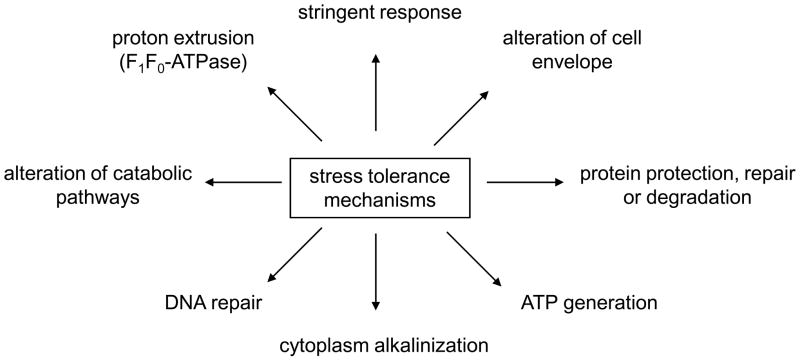
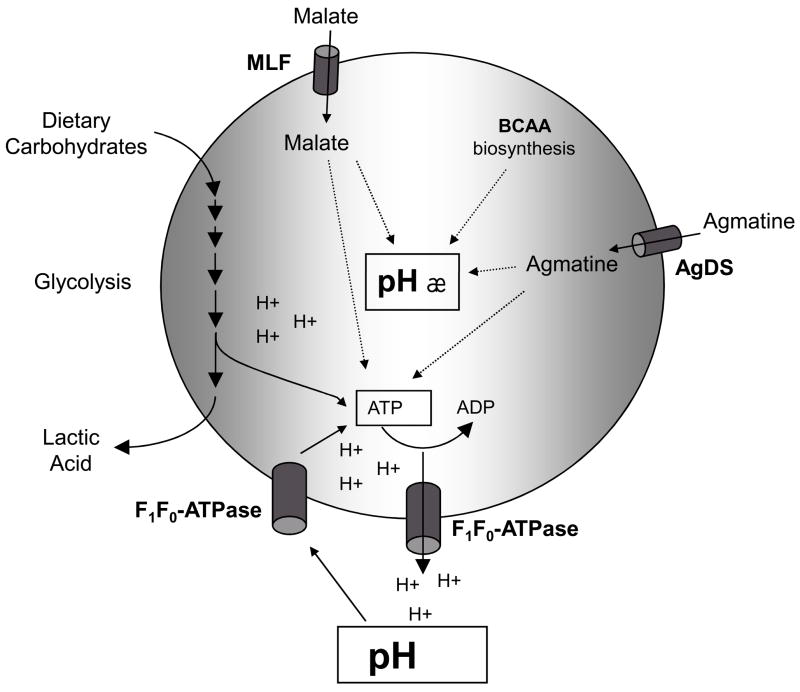
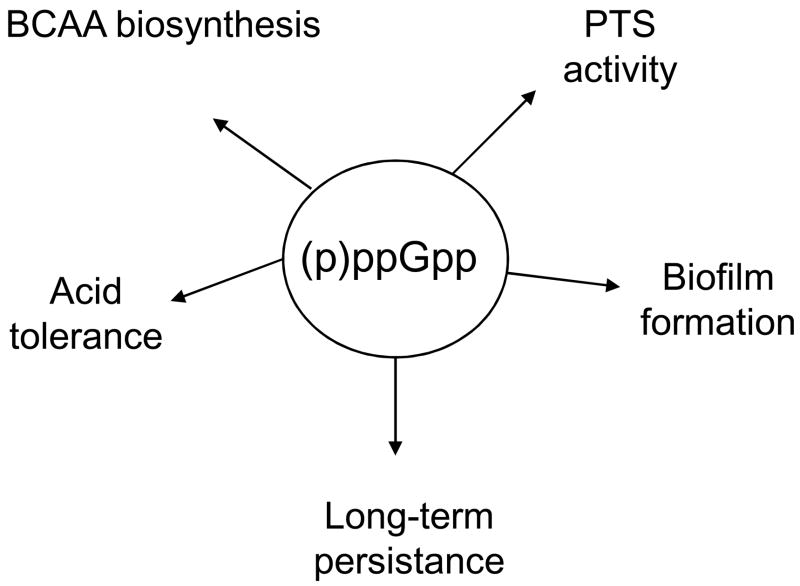
The complete genome sequence of Streptococcus mutans, a bacterial pathogen commonly associated with human dental caries, was published in 2002. The streamlined genome (2.03 Mb) revealed an organism that is well adapted to its obligately host-associated existence in multispecies biofilms on tooth surfaces: a dynamic environment that undergoes rapid and substantial fluctuations. However, S. mutans lacks many of the sensing systems and alternative sigma factors that bacteria often use to coordinate gene expression in response to stress and changes in their environment. Over the past 7 years, functional genomics and proteomics have enhanced our understanding of how S. mutans has integrated the stress regulon and global transcriptional regulators to coordinate responses to environmental fluctuations with modulation of virulence in a way that ensures persistence in the oral cavity and capitalizes on conditions that are favourable for the development of dental caries. Here, we highlight advances in dissection of the stress regulon of S. mutans and its intimate interrelationship with pathogenesis.
References
-
- Agha-Hosseini F, Dizgah IM, Amirkhani S. The composition of unstimulated whole saliva of healthy dental students. J Contemp Dent Pract. 2006;7:104–111. - PubMed
Publication types
MeSH terms
Grants and funding
LinkOut - more resources
Full Text Sources
Miscellaneous