


Toll-like receptor-4 coordinates the innate immune response of the kidney to renal ischemia/reperfusion injury
- PMID: 18974879
- PMCID: PMC2570789
- DOI: 10.1371/journal.pone.0003596
Toll-like receptor-4 coordinates the innate immune response of the kidney to renal ischemia/reperfusion injury
Abstract
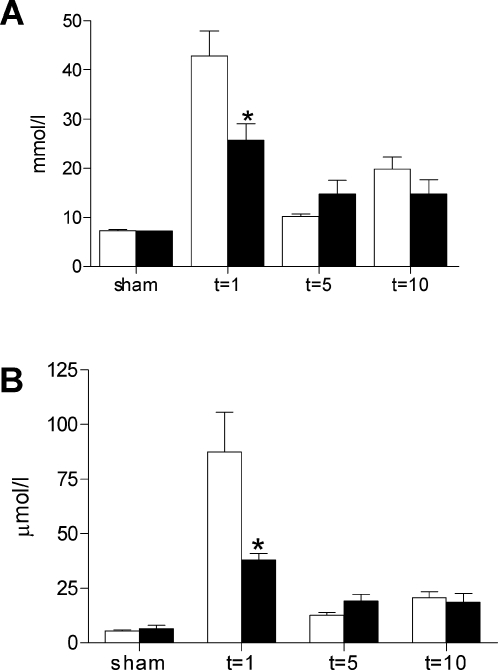
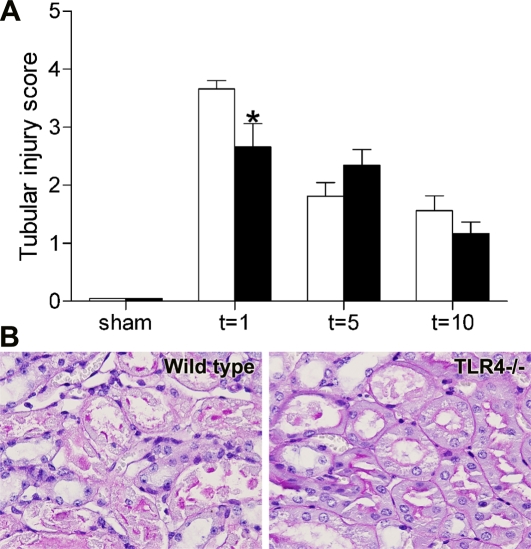
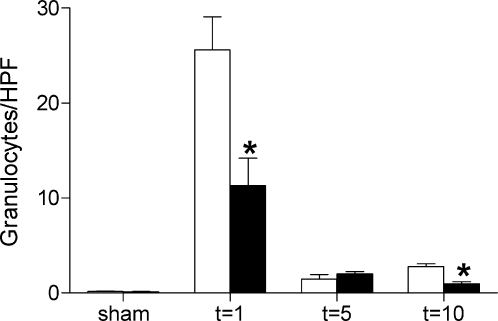
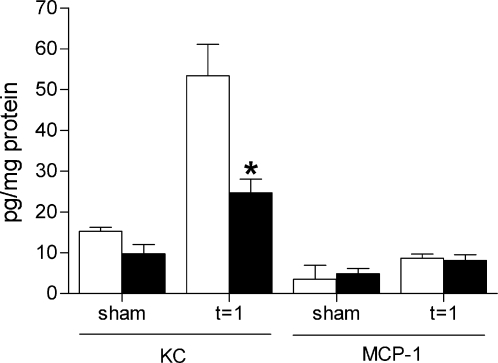
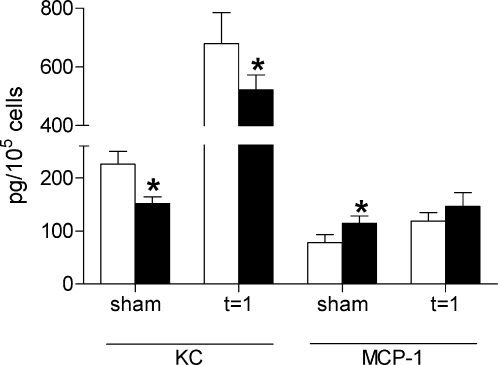
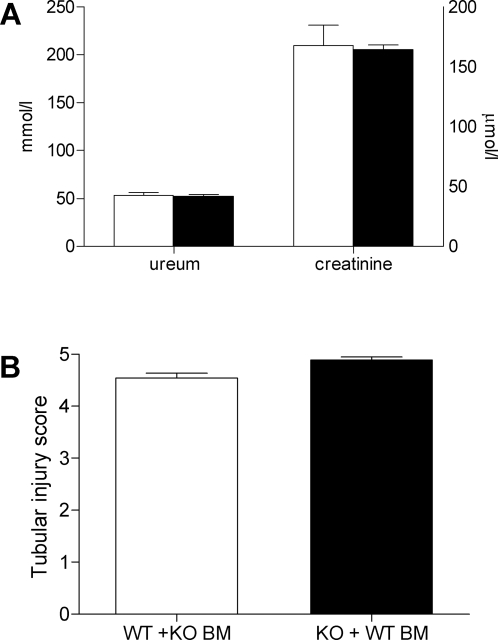
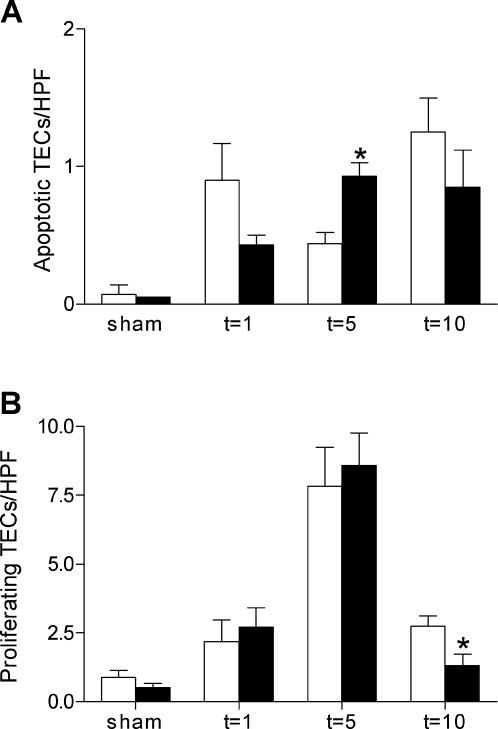
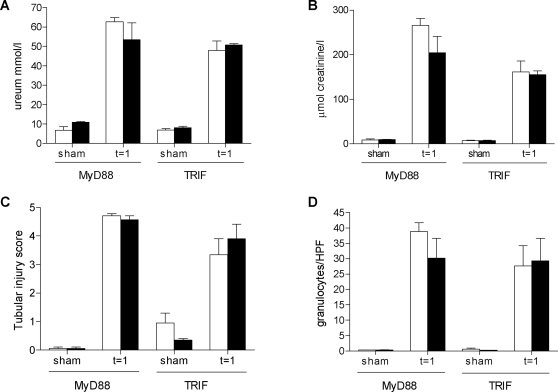
Toll-like receptors (TLRs) can detect endogenous danger molecules released upon tissue injury resulting in the induction of a proinflammatory response. One of the TLR family members, TLR4, is constitutively expressed at RNA level on renal epithelium and this expression is enhanced upon renal ischemia/reperfusion (I/R) injury. The functional relevance of this organ-specific upregulation remains however unknown. We therefore investigated the specific role of TLR4 and the relative contribution of its two downstream signaling cascades, the MyD88-dependent and TRIF-dependent cascades in renal damage by using TLR4-/-, MyD88-/- and TRIF-mutant mice that were subjected to renal ischemia/reperfusion injury. Our results show that TLR4 initiates an exaggerated proinflammatory response upon I/R injury, as reflected by lower levels of chemokines and infiltrating granulocytes, less renal damage and a more preserved renal function in TLR4-/- mice as compared to wild type mice. In vitro studies demonstrate that renal tubular epithelial cells can coordinate an immune response to ischemic injury in a TLR4-dependent manner. In vivo we found that epithelial- and leukocyte-associated functional TLR4 contribute in a similar proportion to renal dysfunction and injury as assessed by bone marrow chimeric mice. Surprisingly, no significant differences were found in renal function and inflammation in MyD88-/- and TRIF-mutant mice compared with their wild types, suggesting that selective targeting of TLR4 directly may be more effective for the development of therapeutic tools to prevent I/R injury than targeting the intracellular pathways used by TLR4. In conclusion, we identified TLR4 as a cellular sentinel for acute renal damage that subsequently controls the induction of an innate immune response.
Conflict of interest statement
Figures
References
-
- Daha MR, van Kooten C. Is the proximal tubular cell a proinflammatory cell? Nephrol Dial Transplant. 2000;15(Suppl 6):41–43. - PubMed
-
- West AP, Koblansky AA, Ghosh S. Recognition and signaling by toll-like receptors. Annu Rev Cell Dev Biol. 2006;22:409–437. - PubMed
-
- Johnson GB, Brunn GJ, Platt JL. Activation of mammalian Toll-like receptors by endogenous agonists. Crit Rev Immunol. 2003;23:15–44. - PubMed
-
- Schnare M, Rollinghoff M, Qureshi S. Toll-like receptors: sentinels of host defence against bacterial infection. Int Arch Allergy Immunol. 2006;139:75–85. - PubMed
Publication types
MeSH terms
Substances
LinkOut - more resources
Full Text Sources
Other Literature Sources
Medical
Molecular Biology Databases
