


Hitting the target: why existing measures of "religiousness" are really reverse-scored measures of "secularism"
- PMID: 18984548
- PMCID: PMC8802532
- DOI: 10.1016/j.explore.2008.08.002
Hitting the target: why existing measures of "religiousness" are really reverse-scored measures of "secularism"
Abstract
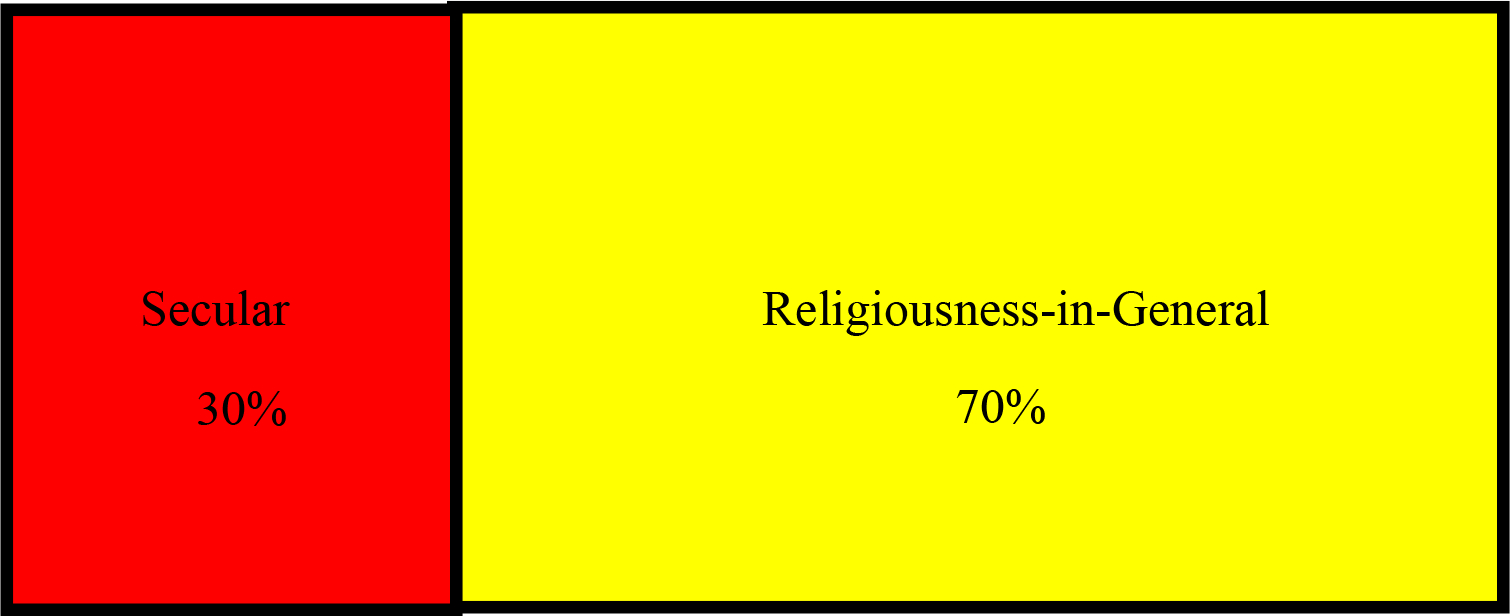
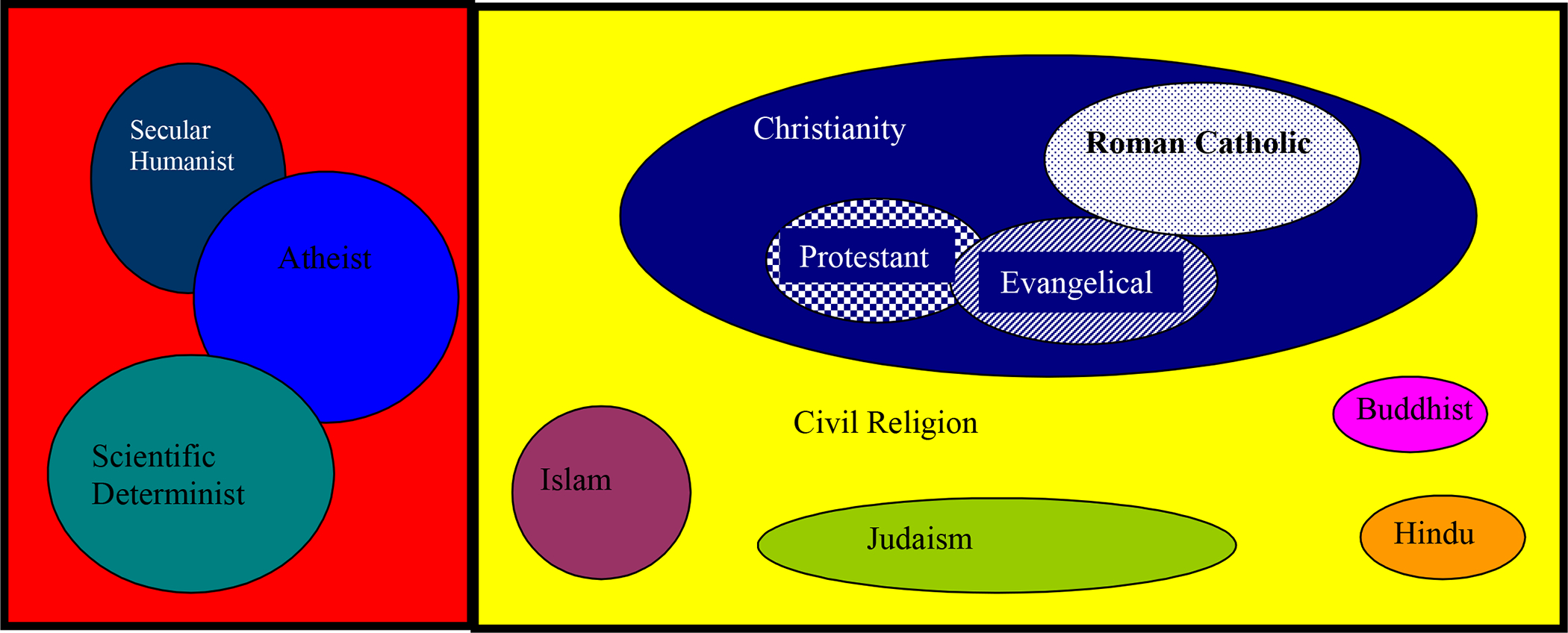
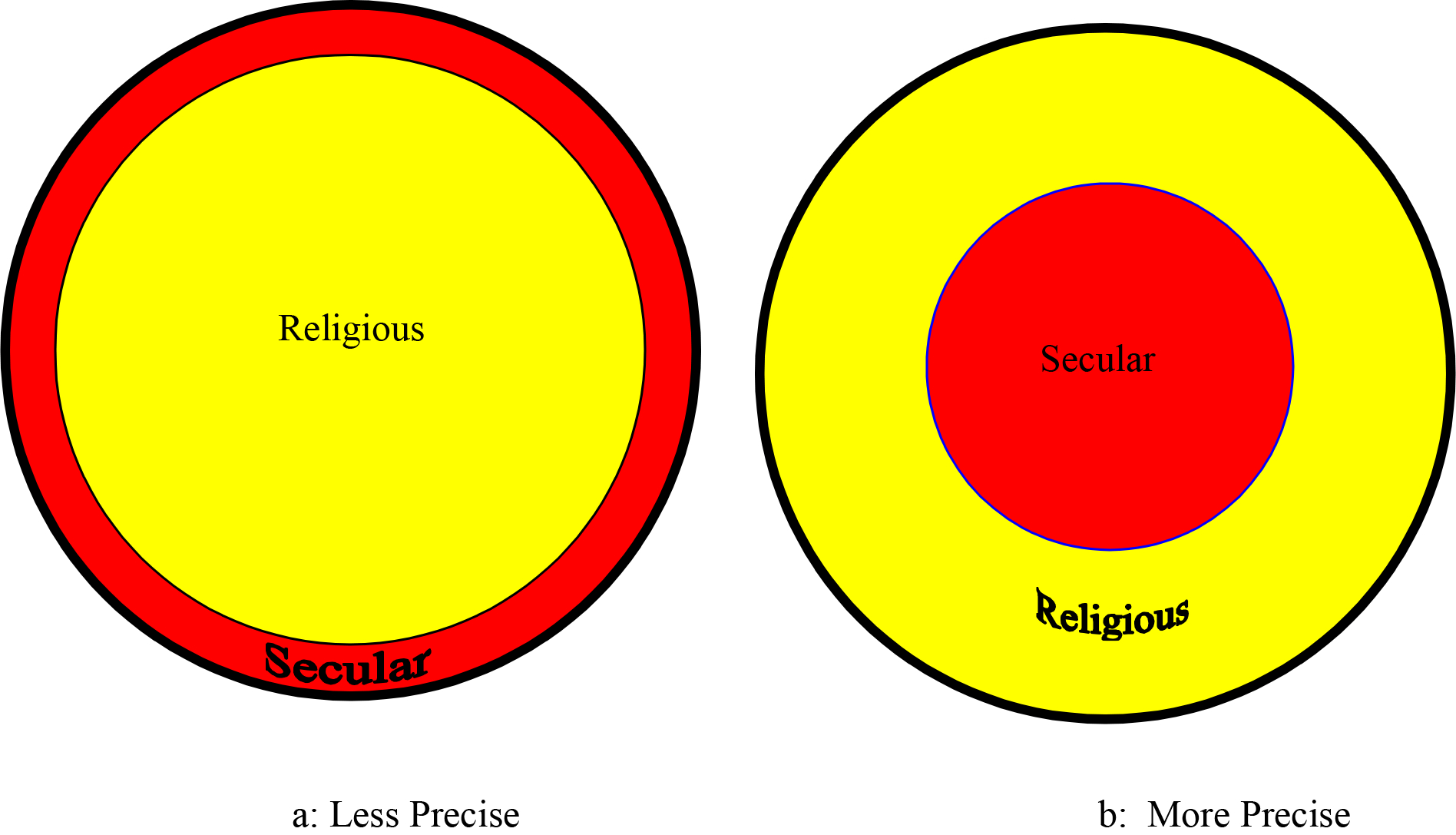
Over 100 measures of religiousness and spirituality are used in research investigating the associations between religion and health. These measures are often used to assess "religiousness in general," but this approach lumps together widely divergent worldviews in ways that can distort religion beyond recognition. The authors suggest that the existing measures of religiousness are perhaps better understood as reverse-coded measures of "secularism." This argument suggests that the existing data regarding religiousness and health might be best interpreted as demonstrating a small, robust health liability associated with a deliberately secular worldview. If true, this conclusion might change the direction of future research, and it would imply that meaningful inferences about the health associations of religious practice will depend on developing tools that measure specific religions in their particularity.
Figures

References
-
- Hill PC, Hood R Jr, eds. Measures of Religiosity. Birmingham, Alabama: Religious Education Press; 1999.
-
- Sloan RP, Bagiella E. Claims about religious involvement and health outcomes. Annals of Behavioral Medicine. 2002;24(1):14–21. - PubMed
-
- McCullough ME, Pargament KI, Thoresen C, eds. Forgiveness: Theory, research and practice. New York: Guilford Press; 2000.
-
- Idler EL, Kasl SV. Religion among disabled and nondisabled persons II: attendance at religious services as a predictor of the course of disability. Journals of Gerontology Series B-Psychological Sciences & Social Sciences. 1997;52(6):S306–316. - PubMed
