


Alternative mechanisms for regulating racial responses according to internal vs external cues
- PMID: 18985098
- PMCID: PMC2555407
- DOI: 10.1093/scan/nsl002
Alternative mechanisms for regulating racial responses according to internal vs external cues
Abstract
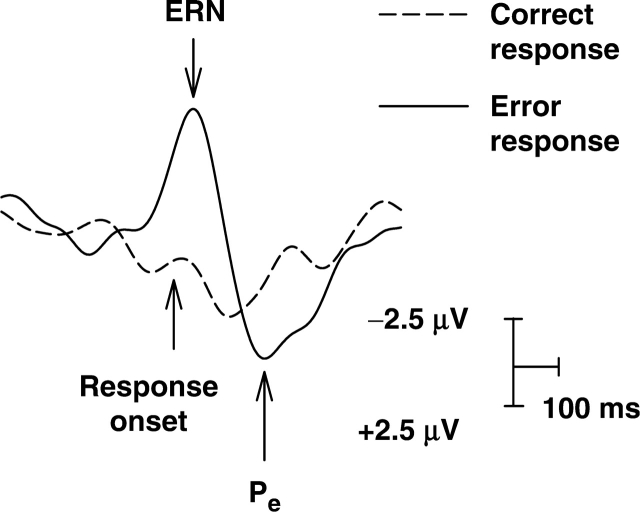
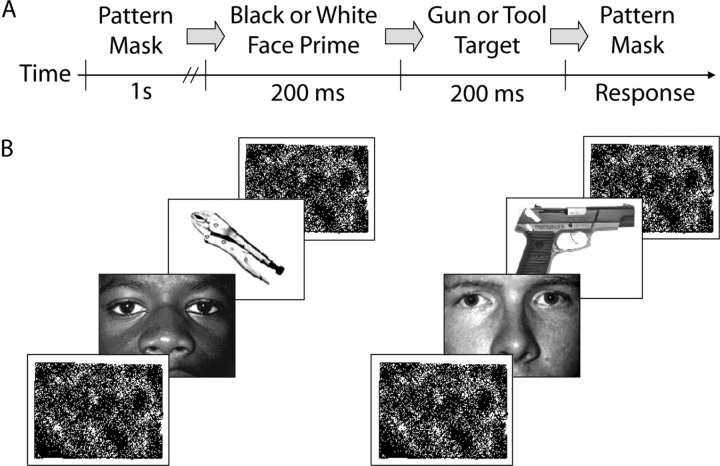
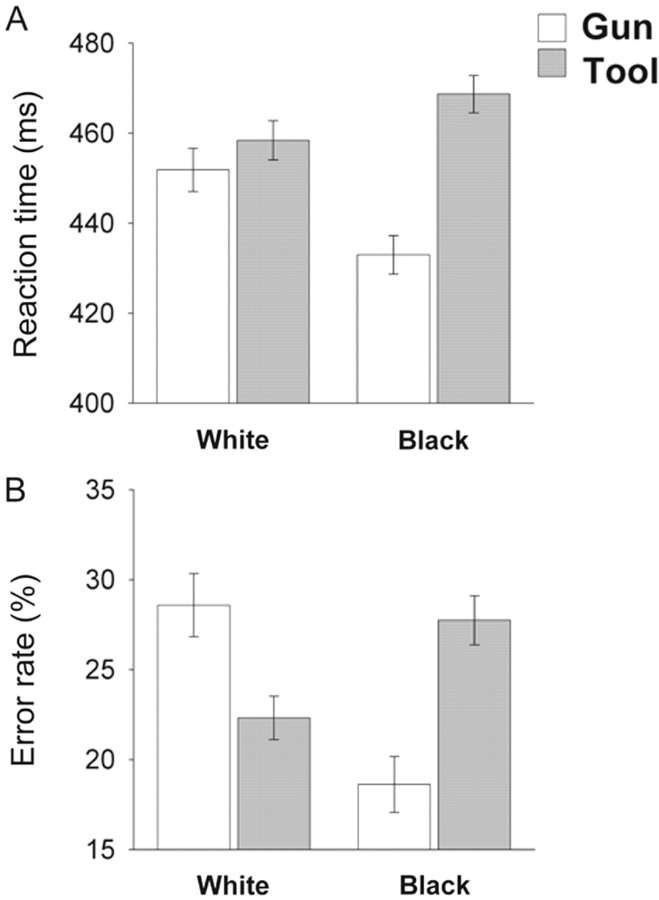
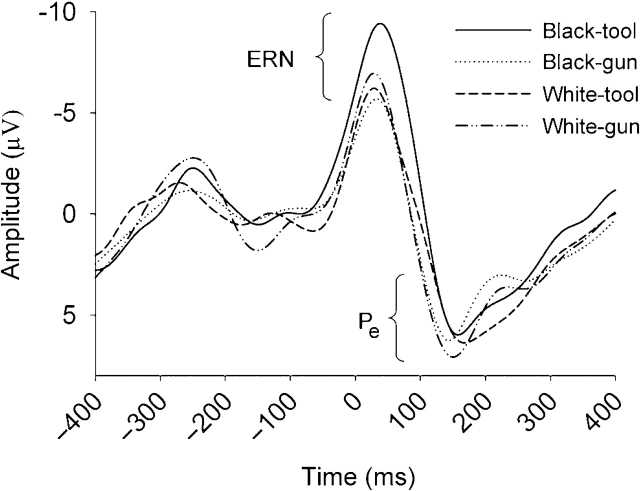
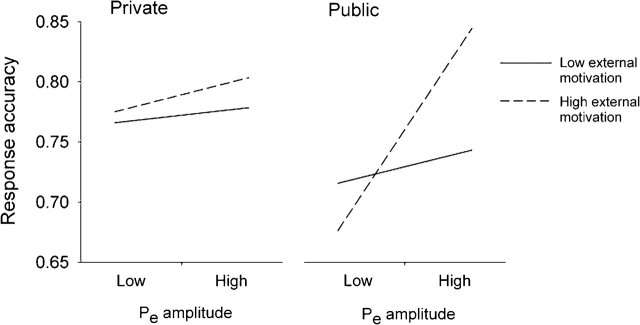
Personal (internal) and normative (external) impetuses for regulating racially biased behaviour are well-documented, yet the extent to which internally and externally driven regulatory processes arise from the same mechanism is unknown. Whereas the regulation of race bias according to internal cues has been associated with conflict-monitoring processes and activation of the dorsal anterior cingulate cortex (dACC), we proposed that responses regulated according to external cues to respond without prejudice involves mechanisms of error-perception, a process associated with rostral anterior cingulate cortex (rACC) activity. We recruited low-prejudice participants who reported high or low sensitivity to non-prejudiced norms, and participants completed a stereotype inhibition task in private or public while electroencephalography was recorded. Analysis of event-related potentials revealed that the error-related negativity component, linked to dACC activity, predicted behavioural control of bias across conditions, whereas the error-perception component, linked to rACC activity, predicted control only in public among participants sensitive to external pressures to respond without prejudice.
Figures
References
-
- Allport GW. The Nature of Prejudice. MA: Addison-Wesley; 1954. Reading.
-
- Amodio DM., Frith CD. Meeting of minds: the medial frontal cortex and social cognition. Nature Reviews Neuroscience. 2006;7:268–77. - PubMed
-
- Amodio DM, Harmon-Jones E, Devine PG. Individual differences in the activation and control of affective race bias as assessed by startle eyeblink responses and self-report. Journal of Personality and Social Psychology. 2003;84:738–53. - PubMed
-
- Amodio DM, Harmon-Jones E, Devine PG, Curtin JJ, Hartley SL, Covert AE. Neural signals for the detection of unintentional race bias. Psychological Science. 2004;15:88–93. - PubMed
-
- Aston-Jones G, Cohen JD. An integrative theory of locus coeruleus-norepinephrine function: adaptive gain and optimal performance. Annual Review of Neuroscience. 2005;28:403–50. - PubMed
MeSH terms
LinkOut - more resources
Full Text Sources
Medical
