A magneto-inductive sensor based wireless tongue-computer interface
- PMID: 18990653
- PMCID: PMC4470907
- DOI: 10.1109/TNSRE.2008.2003375
A magneto-inductive sensor based wireless tongue-computer interface
Abstract
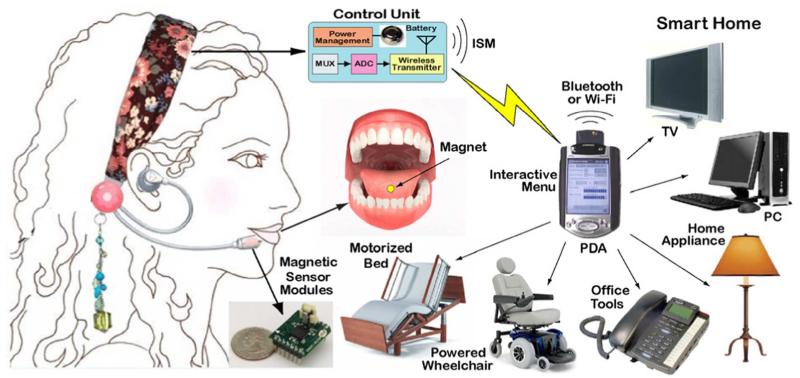
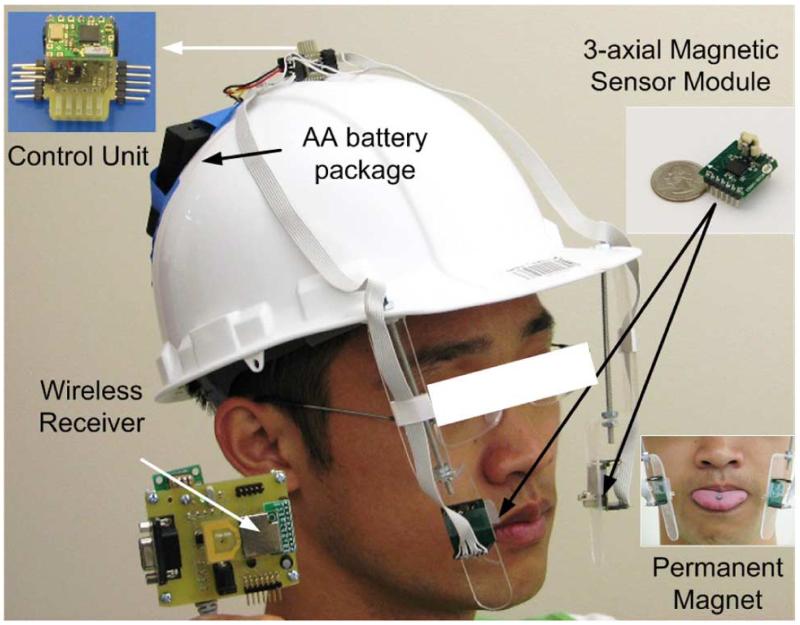
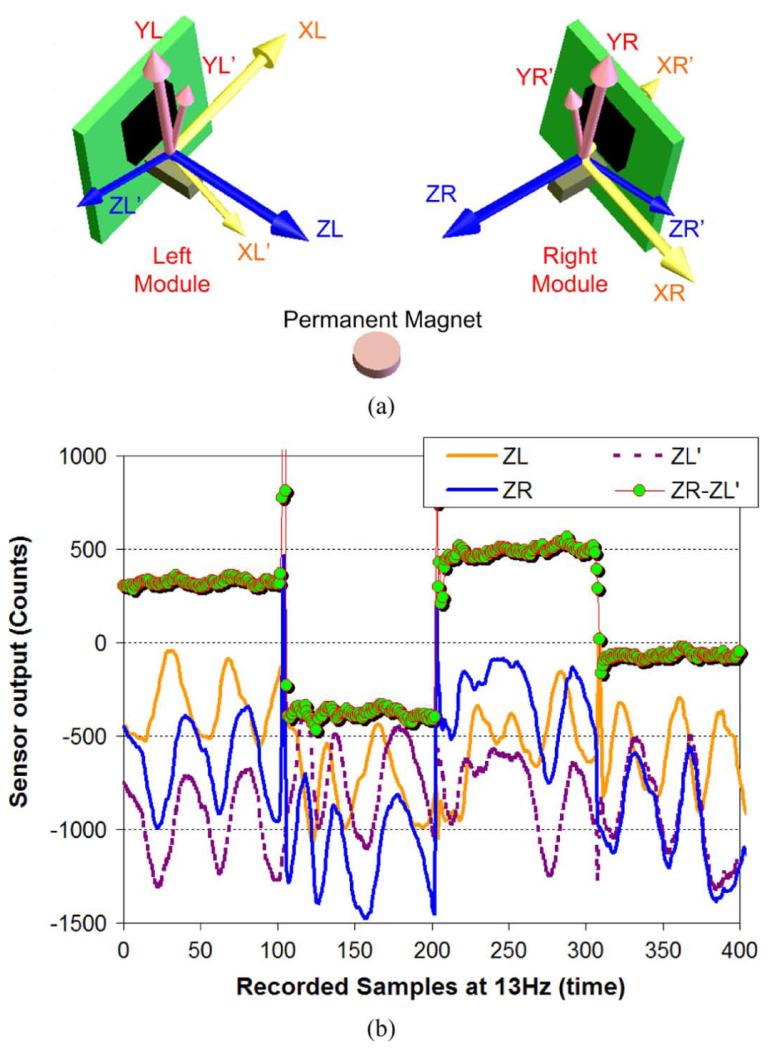
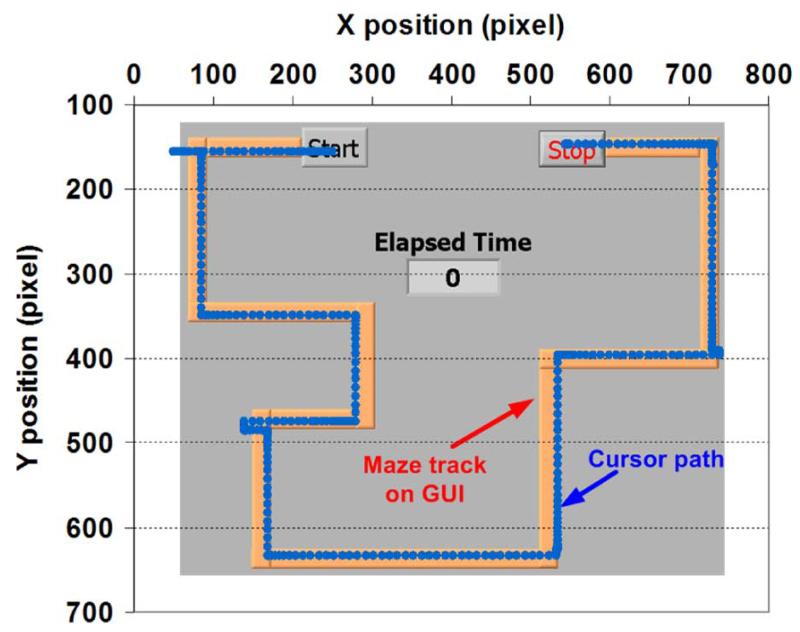
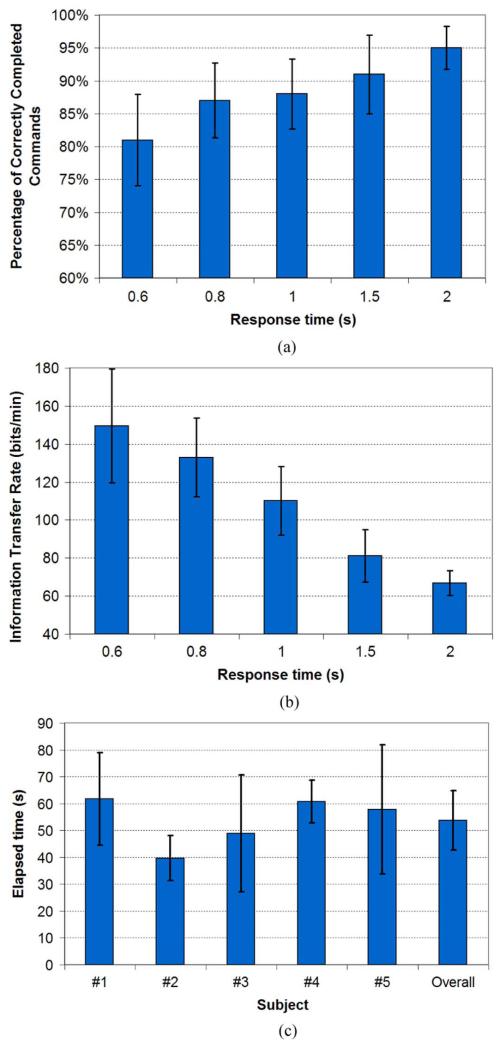
We have developed a noninvasive, unobtrusive magnetic wireless tongue-computer interface, called "Tongue Drive," to provide people with severe disabilities with flexible and effective computer access and environment control. A small permanent magnet secured on the tongue by implantation, piercing, or tissue adhesives, is utilized as a tracer to track the tongue movements. The magnetic field variations inside and around the mouth due to the tongue movements are detected by a pair of three-axial linear magneto-inductive sensor modules mounted bilaterally on a headset near the user's cheeks. After being wirelessly transmitted to a portable computer, the sensor output signals are processed by a differential field cancellation algorithm to eliminate the external magnetic field interference, and translated into user control commands, which could then be used to access a desktop computer, maneuver a powered wheelchair, or control other devices in the user's environment. The system has been successfully tested on six able-bodied subjects for computer access by defining six individual commands to resemble mouse functions. Results show that the Tongue Drive system response time for 87% correctly completed commands is 0.8 s, which yields to an information transfer rate of approximately 130 b/min.
Figures
References
-
- National Spinal Cord Injury Statistical Center Facts and figures at a glance. 2008 Jul; Online. Available: http://www.spinalcord.uab.edu/show.asp?durki=21446. - PubMed
-
- National Institute of Neurological Disorders and Stroke (NINDS) National Institutes of Health (NIH) Spinal cord injury: Hope through research. 2008 Jul; Online. Available: http://www.ninds.nih.gov/disorders/sci/detail_sci.htm.
-
- Cook AM, Hussey SM. Assistive Technologies: Principles and Practice. 2nd ed Mosby; New York: 2001.
-
- Hochberg LR, Donoghue JP. Sensors for brain computer interfaces. IEEE Eng. Med. Biol. Mag. 2006 Sep;25(5):32–38. - PubMed
-
- Wolpaw JR, Birbaumer N, McFarland DJ, Pfurtscheller G, Vaughan TM. Brain-computer interfaces for communication and control. Clin. Neurophysiol. 2002;113:767–791. - PubMed
Publication types
MeSH terms
Grants and funding
LinkOut - more resources
Full Text Sources
Other Literature Sources
Medical