. 2008 Oct:1139:434-49.
doi: 10.1196/annals.1432.036.

Functional expression of brain neuronal CB2 cannabinoid receptors are involved in the effects of drugs of abuse and in depression

Affiliations

Functional expression of brain neuronal CB2 cannabinoid receptors are involved in the effects of drugs of abuse and in depression

Emmanuel S Onaivi et al. Ann N Y Acad Sci. 2008 Oct.

Abstract

Major depression and addiction are mental health problems associated with stressful events in life with high relapse and recurrence even after treatment. Many laboratories were not able to detect the presence of CB2 cannabinoid receptors (CB2-Rs) in healthy brains, but CB2-R expression has been demonstrated in rat microglial cells and other brain-associated cells during inflammation. Thus, neuronal expression of CB2-Rs has been ambiguous and controversial, and its role in depression and substance abuse is unknown. In this study we tested the hypothesis that genetic variants of the CB2 gene might be associated with depression in a human population and that alteration in CB2 gene expression may be involved in the effects of abused substances, including opiates, cocaine, and ethanol, in rodents. Here we demonstrate that a high incidence of Q63R but not H316Y polymorphism in the CB2 gene was found in Japanese depressed subjects. CB2-Rs and their gene transcripts are expressed in the brains of naïve mice and are modulated after exposure to stressors and administration of abused drugs. Mice that developed an alcohol preference had reduced CB2 gene expression, and chronic treatment with JWH015 a putative CB2-R agonist, enhanced alcohol consumption in stressed but not in control mice. The direct intracerebroventricular microinjection of CB2 antisense oligonucleotide into the mouse brain reduced mouse aversions in the plus-maze test, indicating the functional presence of CB2-Rs in the brain that modifies behavior. Using electron microscopy we report the subcellular localization of CB2-Rs that are mainly on postsynaptic elements in rodent brain. Our data demonstrate the functional expression of CB2-Rs in the brain that may provide novel targets for the effects of cannabinoids in depression and substance abuse disorders beyond neuroimmunocannabinoid activity.


Figures
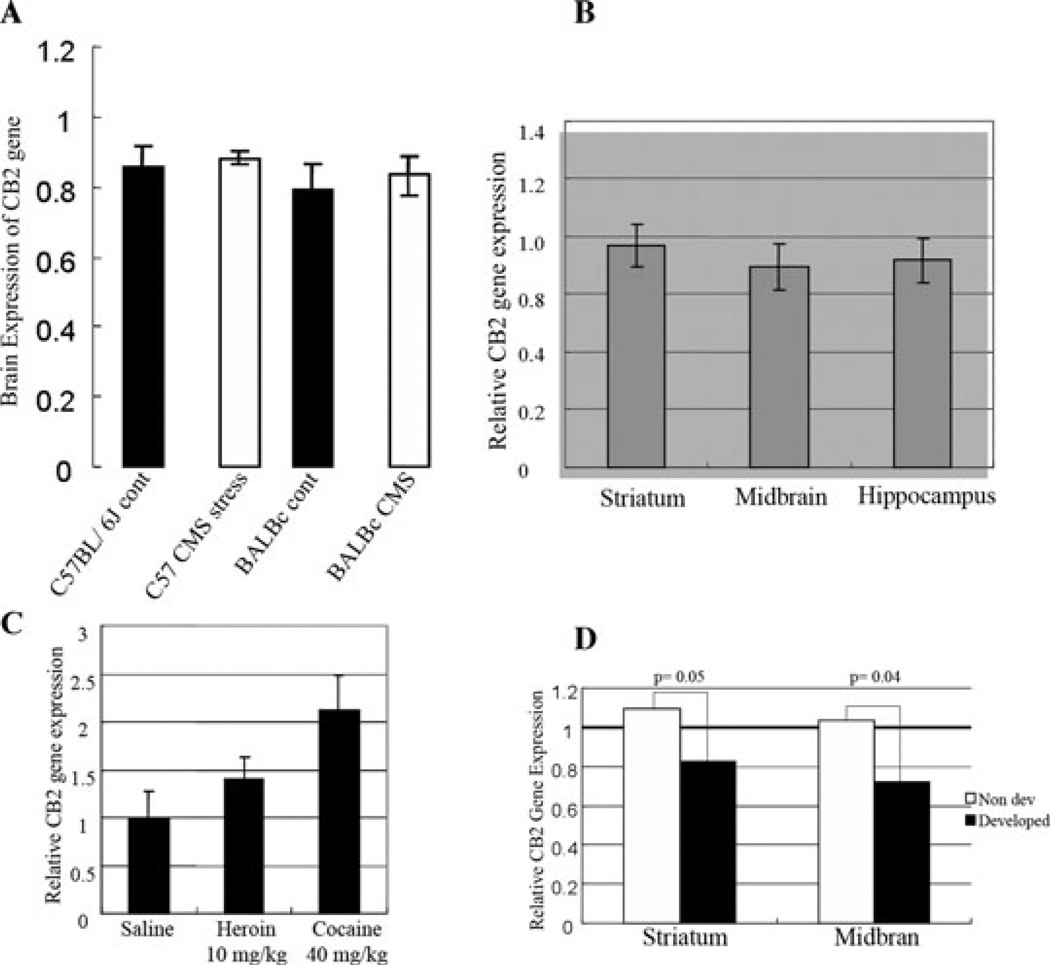
Figure 1
Figure 1. Presence of CB2 gene in the brain
A, Relative brain expression of CB2 gene in C57BL/6J and BALBc strains subjected to stress. B, Relative CB2 gene expression levels in the striatum, midbrain, and hippocampus of C57Bl/6J mice. C, Mouse whole brain relative CB2 gene expression levels following chronic treatment with heroin and cocaine. D, relative CB2 gene expression levels in striatum and midbrain of mice that developed alcohol preference.
Figure 2
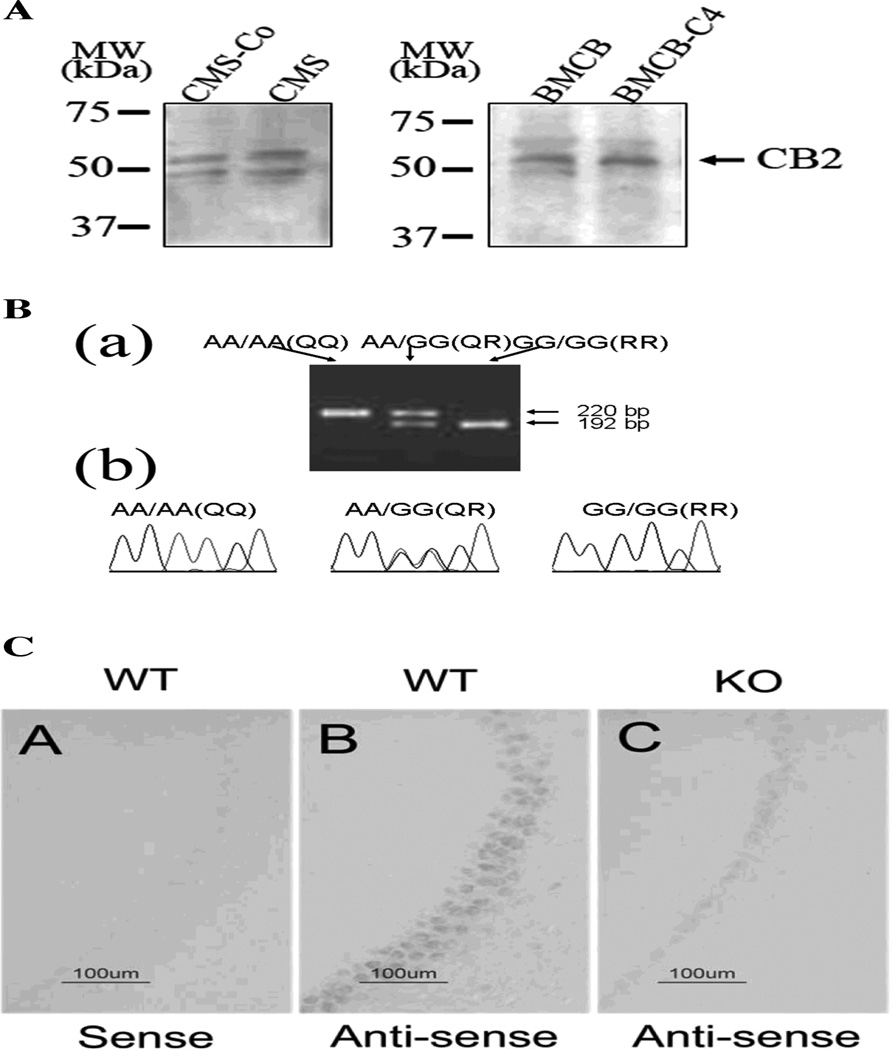
Figure 2. Brain CB2-Rs: Immunoblots, genotyping and in-situ hybridization
A, Western blotting of CB2-Rs in CMS and control mice (left panel) and in right panel in mice exposed to 4 mg/kg capsaicin in utero. B, RFLP genotyping discrimination on agarose gel for CB2 Q63R polymorphism in depressed subjects (Ba) and, Resequences of CB2 Q63R polymorphism (Bb). C, In-situ hybridization indicating CB2 gene is expressed in the cerebellum of wild type and not in the cerebellum of the CB2-R deficient mice and also in sense controls in the wild type mice.
Figure 3
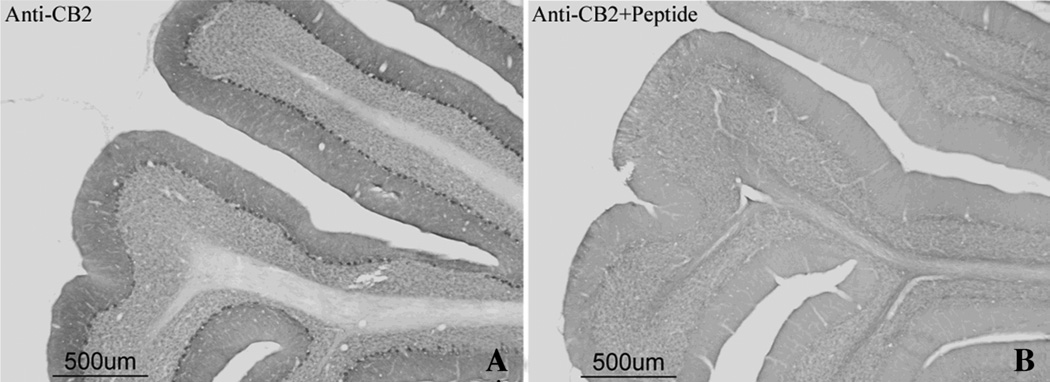
Figure 3. Brain CB2-Rs: Immunoractivity (IR) and pre-adsorption with immunizing peptide
A, CB2-IR in the left panel and lack of CB2-IR in the right panel, B, when the CB2 antibody was pre-adsorbed with the peptide.
Figure 4
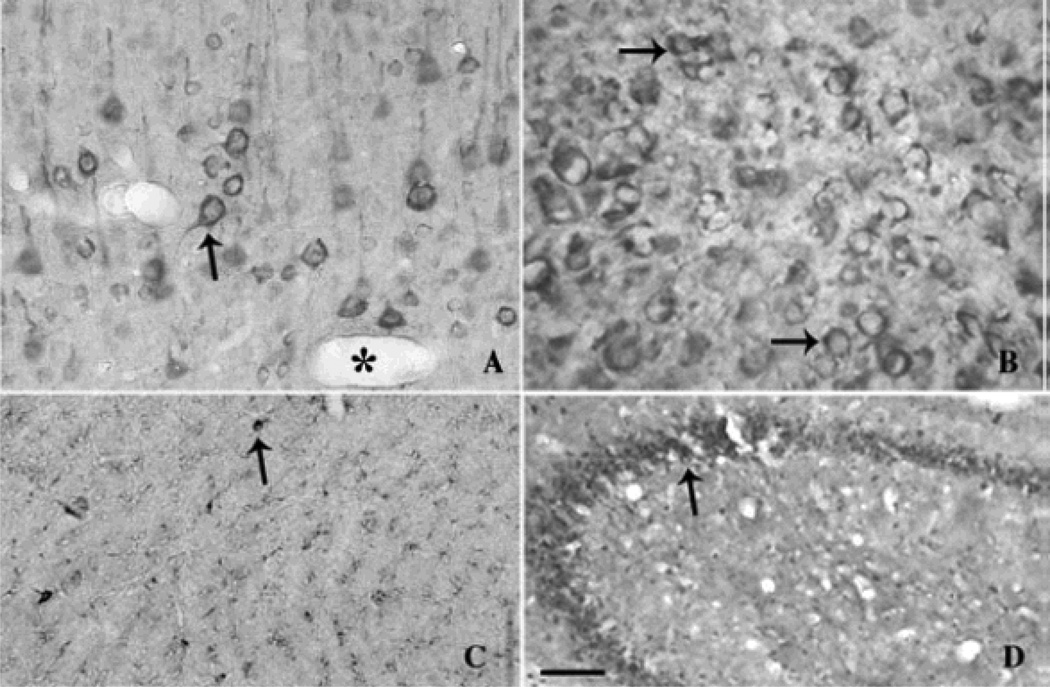
Figure 4. Brain CB2-Rs: Immunohistochemistry in mouse and rat brain
A, CB2-IR in apical dendrites and cell bodies of pyramidal neurons of rat cerebral cortex. B, CB2-IR in mouse cerebral cortex. C, CB2-IR in rat corpus callosum and D, CB2-IR in mouse hippocampal allocortex and some interneurons in the striatum oriens and stratum radiatum.
Figure 5
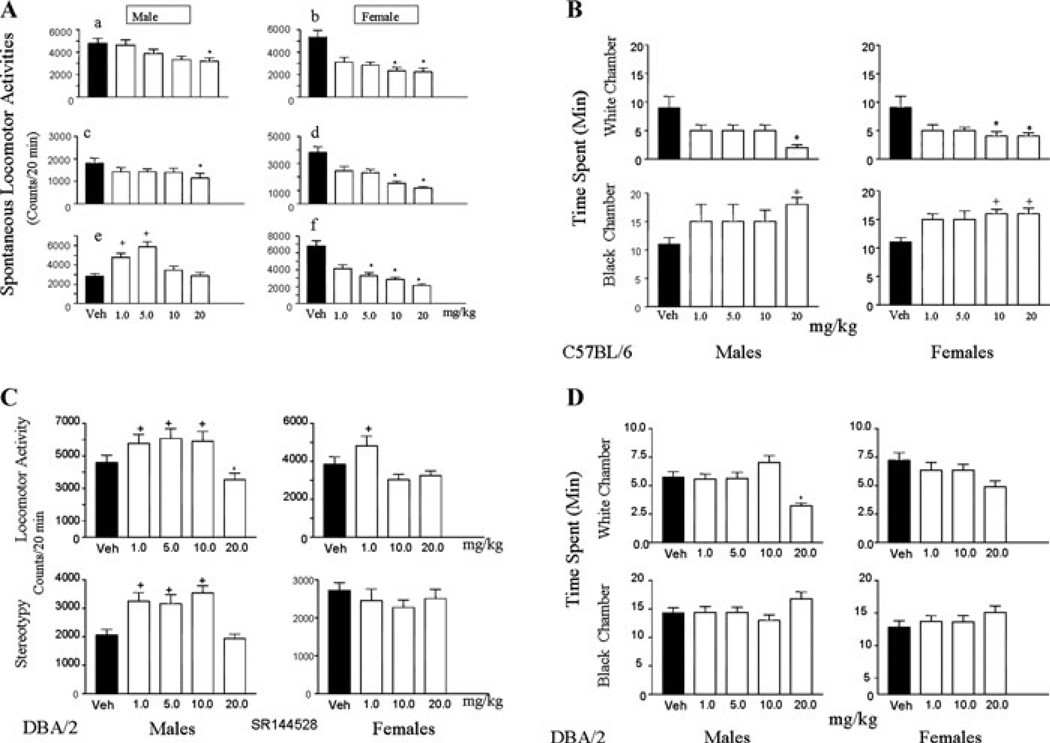
Figure 5. Behavioral effects of CB2-R activation and blockade
A, Mouse spontaneous locomotor activity following acute treatment with CB2 agonist JWH015 (1–20 mg/kg), in mouse strain, C57Bl/6 (a and b); BALBc, (c and d) and DBA/2 (e and f). B, Effect of JWH015 in C57Bl/6 mice in the two compartment black and white box, showing time spent in the black and white chamber. C, Acute effects of SR144528 – a CB2-R antagonist on DBA/2 mouse spontaneous locomotor activity and stereotype behavior. D, Acute effects of SR144528, in DBA/2 male and female mice in the two chamber black and white test box, showing time spent in the black and white chamber.
Figure 6
Figure 6. CB2-R gene targeting modifies behavior
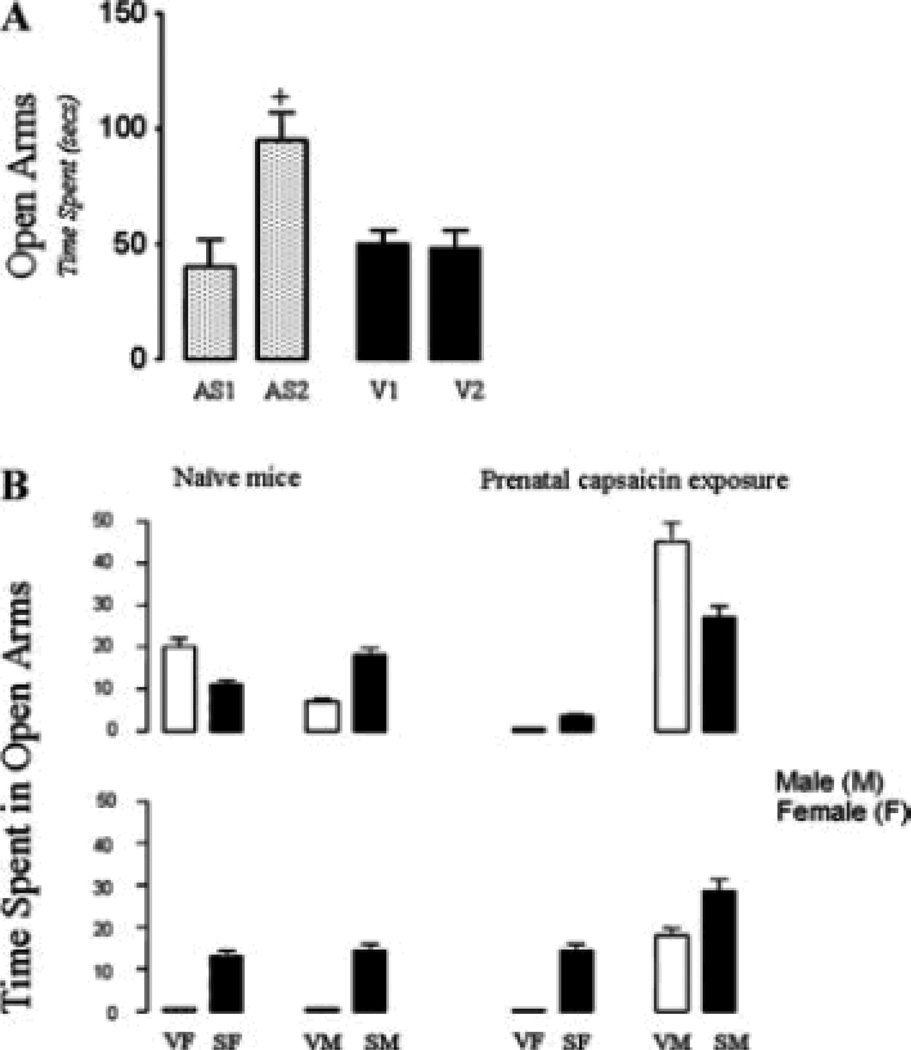
A, Behavioral effects of CB2 intracerebral gene targeting by antisense oligonucleotide microinjected into the mouse brain and performance of mice in plus-maze test was assessed before and after 3 days of twice daily microinjection. AS1 and AS2 were before and after CB2 antisense oligo microinjection. V1 and V2 are controls. B, performance in plus-maze test following CMS or mice exposed prenatally to capsaicin and the effect of JWH015 (20 mg/kg).
Figure 7
Figure 7. CB2-R- activation and blockade on anhedonia induced by chronic mild stress (CMS)
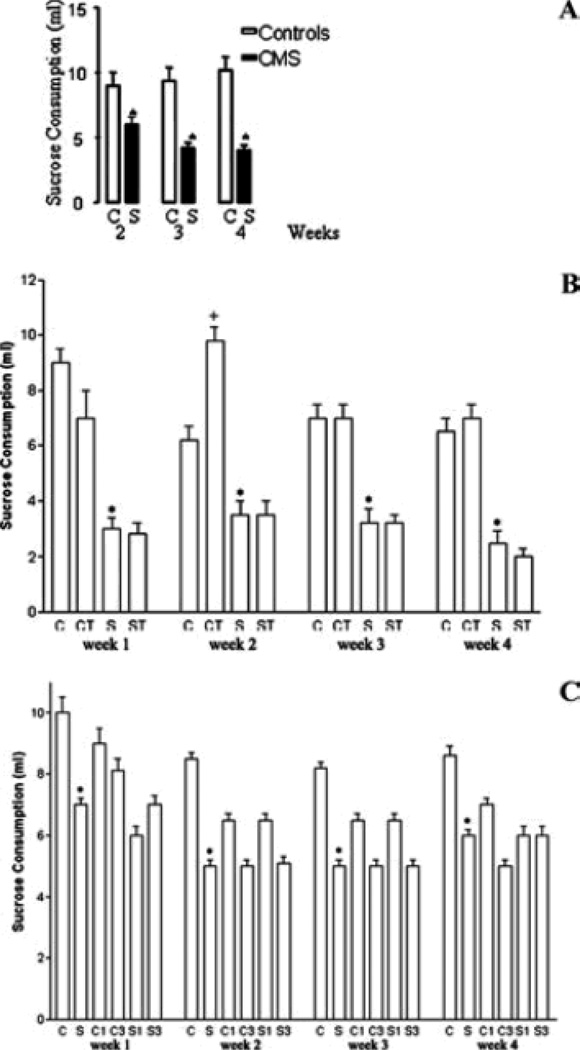
A, Weekly sucrose consumption in stress and control mice. B, Effect of JWH015 (20 mg/kg) on mouse weekly sucrose consumption test. C, Effect of AM630 (1 and 3 mg/kg) on mouse weekly sucrose consumption test.
Figure 8
Figure 8. Subcellular localization of rat hippocampal CB2-Rs
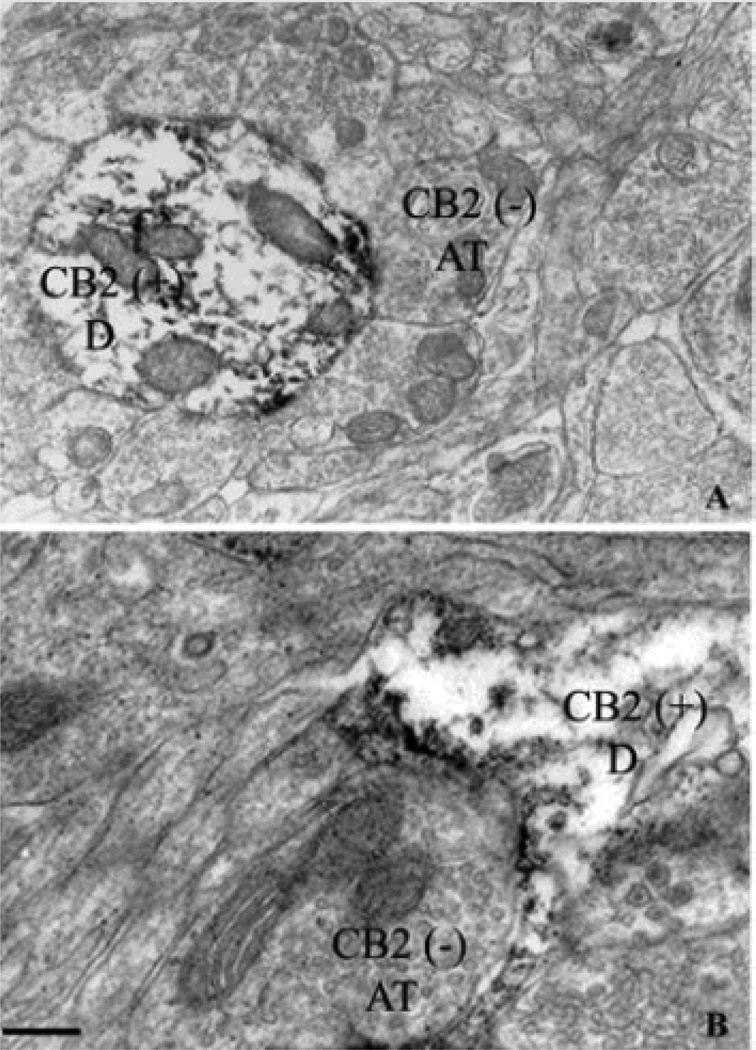
A, a CB2-IR dendrite [CB2(+) D] receiving multiple synaptic contacts from axon terminals lacking CB2-R immunolabeling [CB2(−) AT]. B, a CB2-IR dendrite [CB2(+) D] was contacted by a non-immunoreactive axon terminal [CB2(−) AT]. Scale bar represents 0.3 µm.

References

    1. Degenhardt L, et al. Alcohol, cannabis and tobacco use among Australians: a comparison of their associations with other drug use and use disorders, affective and anxiety disorders, and psychosis. Addiction. 2001;96:1603–1614. - PubMed
    1. Willner P. Chronic mild stress (CMS) revisited: consistency and behaviouralneurobiological concordance in the effects of CMS. Neuropsychobiology. 2005;52:90–110. - PubMed
    1. Volkow ND, Li TK. Drugs and alcohol: treating and preventing abuse, addiction and their medical consequences. Pharmacol Ther. 2005;108:3–17. - PubMed
    1. Manzanares J, et al. Role of endocannabinoid system in mental diseases. Neurotox Res. 2004;6:213–224. - PubMed
    1. Vinod KY, Hungund BL. Role of the endocannabinoid system in depression and suicide. Trends Pharmacol Sci. 2006;27:539–545. - PubMed

Publication types

MeSH terms

Substances