


Comparison of RFID systems for tracking clinical interventions at the bedside
- PMID: 18998888
- PMCID: PMC2656010
Comparison of RFID systems for tracking clinical interventions at the bedside
Abstract
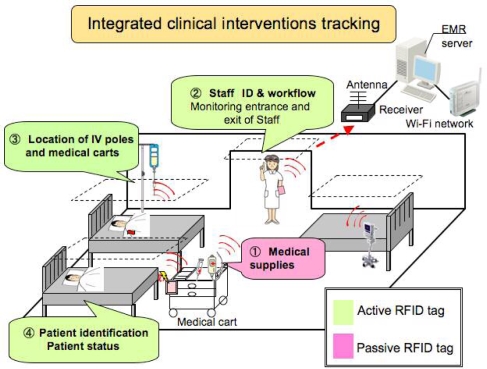
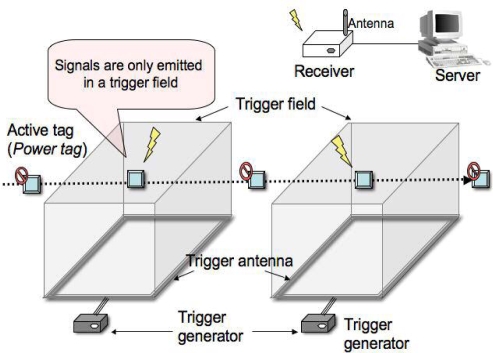
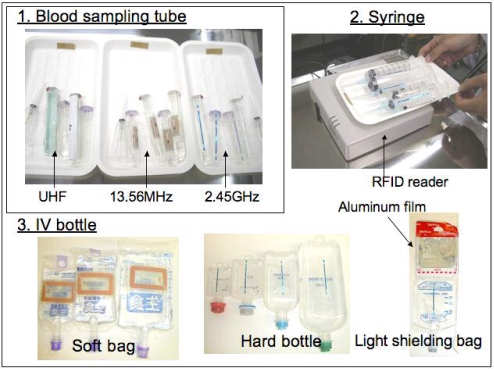
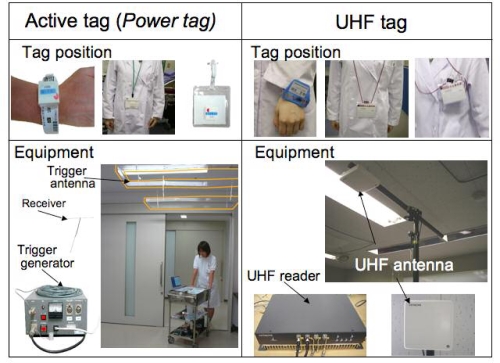
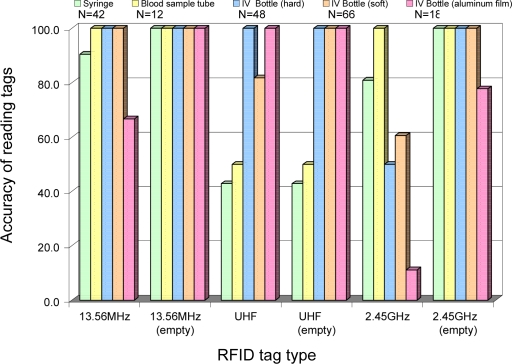
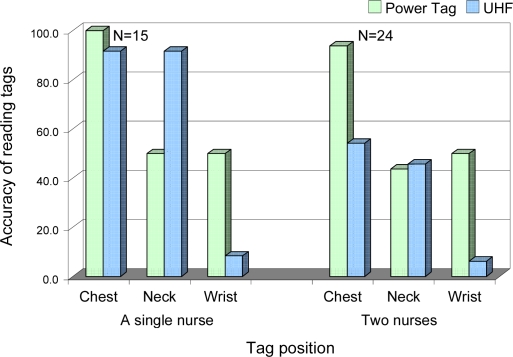
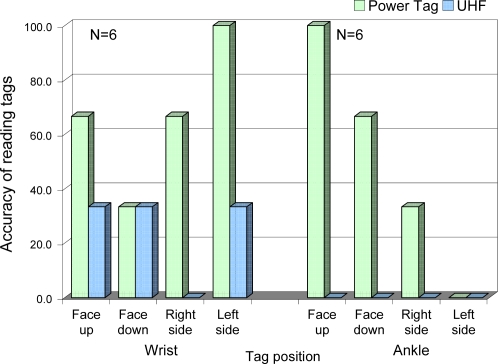
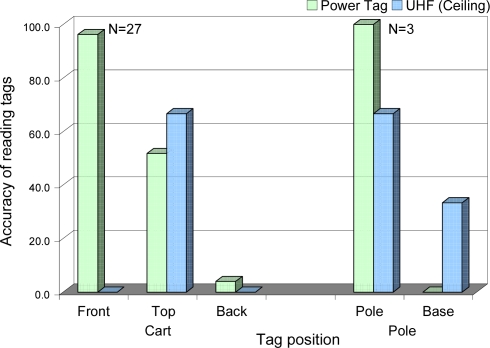
In recent years, there have been high expectations for RFID technologies applied in the medical field, particularly for automatic identification and location of patients and medical supplies. However, few studies have measured the applicability of currently available RFID technologies in a medical environment. To determine the technical factors that affect the performance of RFID systems, we examined the performance of different types of tags for medications, medical equipment, nurses, and patients under different experimental conditions. Three kinds of passive RFID tags and one active RFID tag were used in our study. Passive tags were affected by materials such as liquid and metal. Tags based on 13.56MHz were most suited for identifying medications. Tag placement was one of the main factors involved in correct identification of nurses, patients, and medical equipment. The results of this study may help decision makers decide whether (which) RFID technologies are useful for tracking clinical workflow.
Figures
References
-
- Wicks AM, Visich JK, Li S. Radio frequency identification applications in hospital environments. Hosp Top. 2006;84(3):3–8. - PubMed
-
- Booth P, Frisch PH, Miodownik S. Application of RFID in an integrated healthcare environment. Conf Proc IEEE Eng Med Biol Soc. 2006;1:117–9. - PubMed
-
- Perrin RA, Simpson N. RFID and bar codes-critical importance in enhancing safe patient care. J Health Inf Manag. 2004;18(4):33–9. - PubMed
-
- Bates DW. Preventing medication errors: a summary. Am J Health Syst Pharm. 2007;64(16):1678. - PubMed
-
- Koppel R, Metlay JP, Cohen A, Abaluck B, Localio AR, Kimmel SE, Strom BL.Role of computerized physician order entry systems in facilitating medication errors JAMA 2005. 9293101197–203. - PubMed
Publication types
MeSH terms
LinkOut - more resources
Full Text Sources
Medical