


Analysis of data errors in clinical research databases
- PMID: 18998889
- PMCID: PMC2656002
Analysis of data errors in clinical research databases
Abstract
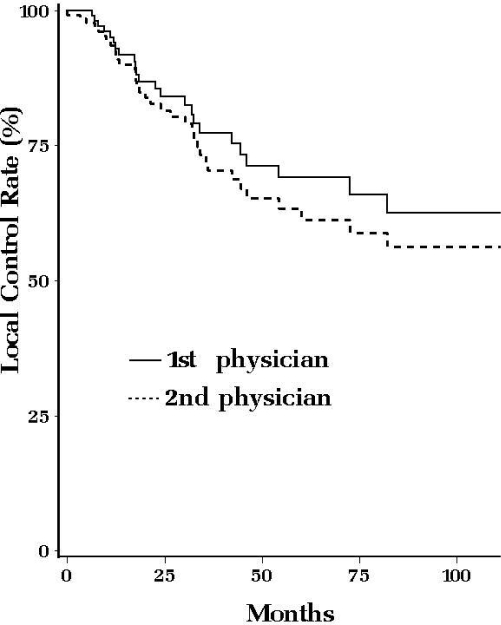
Errors in clinical research databases are common but relatively little is known about their characteristics and optimal detection and prevention strategies. We have analyzed data from several clinical research databases at a single academic medical center to assess frequency, distribution and features of data entry errors. Error rates detected by the double-entry method ranged from 2.3 to 26.9%. Errors were due to both mistakes in data entry and to misinterpretation of the information in the original documents. Error detection based on data constraint failure significantly underestimated total error rates and constraint-based alarms integrated into the database appear to prevent only a small fraction of errors. Many errors were non-random, organized in special and cognitive clusters, and some could potentially affect the interpretation of the study results. Further investigation is needed into the methods for detection and prevention of data errors in research.
Figures
References
-
- Lesar TS, Briceland L, Stein DS. Factors related to errors in medication prescribing. Jama. 1997 Jan 22–29;277(4):312–317. - PubMed
-
- Leape LL, Bates DW, Cullen DJ, et al. Systems analysis of adverse drug events. ADE Prevention Study Group. Jama. 1995 Jul 5;274(1):35–43. - PubMed
-
- Bates DW, Boyle DL, Vander Vliet MB, Schneider J, Leape L. Relationship between medication errors and adverse drug events. J Gen Intern Med. 1995 Apr;10(4):199–205. - PubMed
-
- Goldhill DR, Sumner A. APACHE II, data accuracy and outcome prediction. Anaesthesia. 1998 Oct;53(10):937–943. - PubMed
MeSH terms
LinkOut - more resources
Full Text Sources