


Global gene expression profiling of oral cavity cancers suggests molecular heterogeneity within anatomic subsites
- PMID: 19014556
- PMCID: PMC2632665
- DOI: 10.1186/1756-0500-1-113
Global gene expression profiling of oral cavity cancers suggests molecular heterogeneity within anatomic subsites
Abstract
Background: Oral squamous cell carcinoma (OSCC) is a frequent neoplasm, which is usually aggressive and has unpredictable biological behavior and unfavorable prognosis. The comprehension of the molecular basis of this variability should lead to the development of targeted therapies as well as to improvements in specificity and sensitivity of diagnosis.
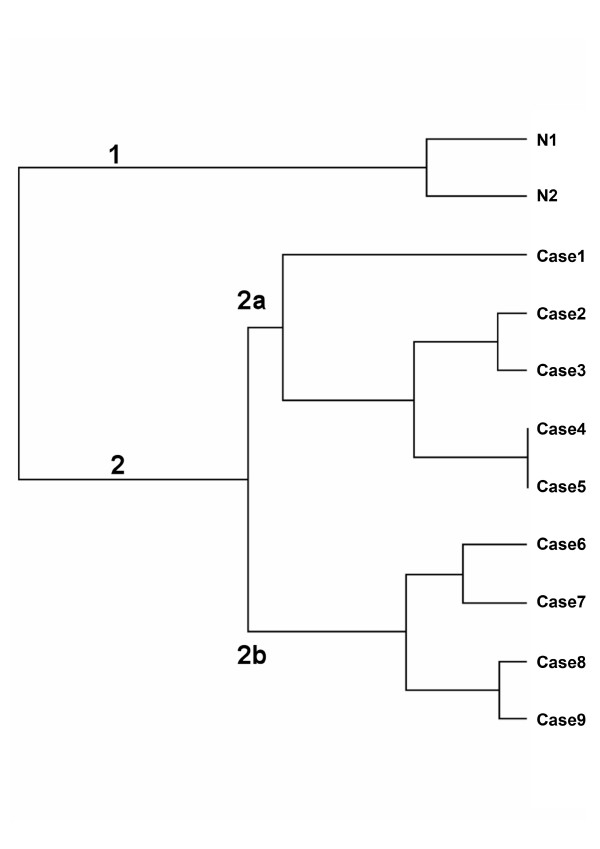
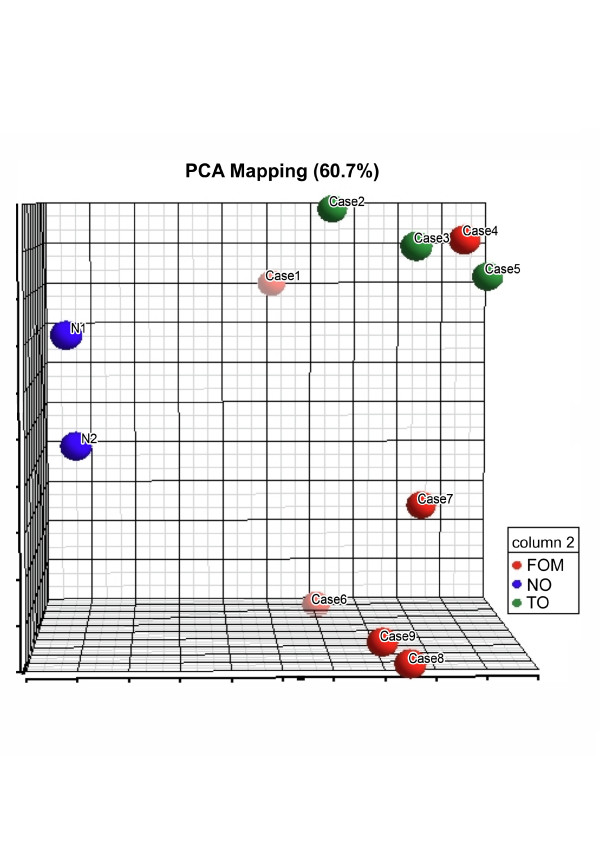
Results: Samples of primary OSCCs and their corresponding surgical margins were obtained from male patients during surgery and their gene expression profiles were screened using whole-genome microarray technology. Hierarchical clustering and Principal Components Analysis were used for data visualization and One-way Analysis of Variance was used to identify differentially expressed genes. Samples clustered mostly according to disease subsite, suggesting molecular heterogeneity within tumor stages. In order to corroborate our results, two publicly available datasets of microarray experiments were assessed. We found significant molecular differences between OSCC anatomic subsites concerning groups of genes presently or potentially important for drug development, including mRNA processing, cytoskeleton organization and biogenesis, metabolic process, cell cycle and apoptosis.
Conclusion: Our results corroborate literature data on molecular heterogeneity of OSCCs. Differences between disease subsites and among samples belonging to the same TNM class highlight the importance of gene expression-based classification and challenge the development of targeted therapies.
Figures
References
LinkOut - more resources
Full Text Sources
Molecular Biology Databases
