


Use of liquid chromatography with electrochemical detection for the determination of antioxidants in less common fruits
- PMID: 19015622
- PMCID: PMC6244844
- DOI: 10.3390/molecules131102823
Use of liquid chromatography with electrochemical detection for the determination of antioxidants in less common fruits
Abstract
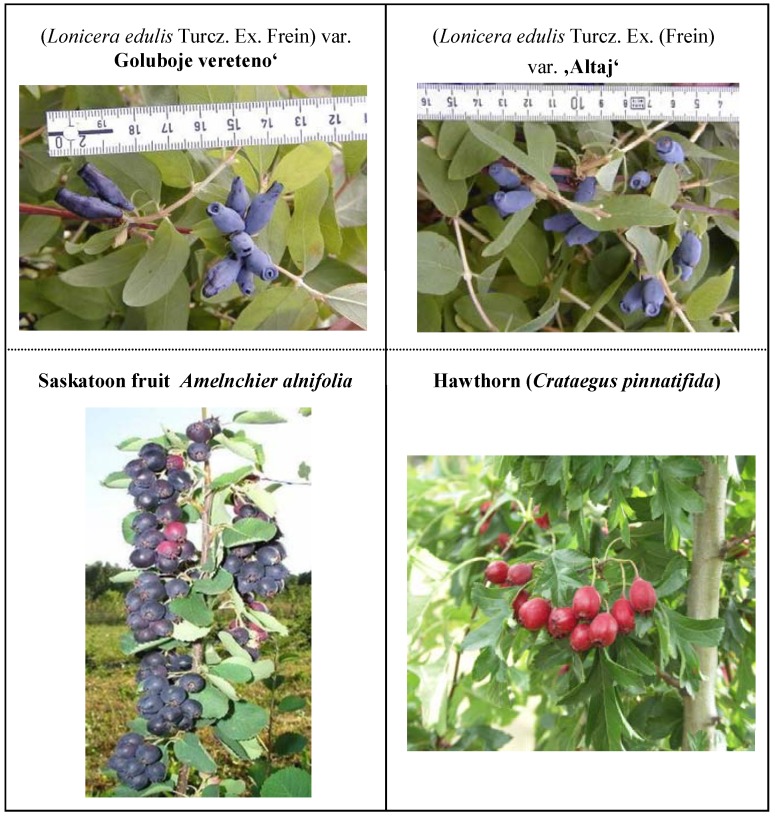
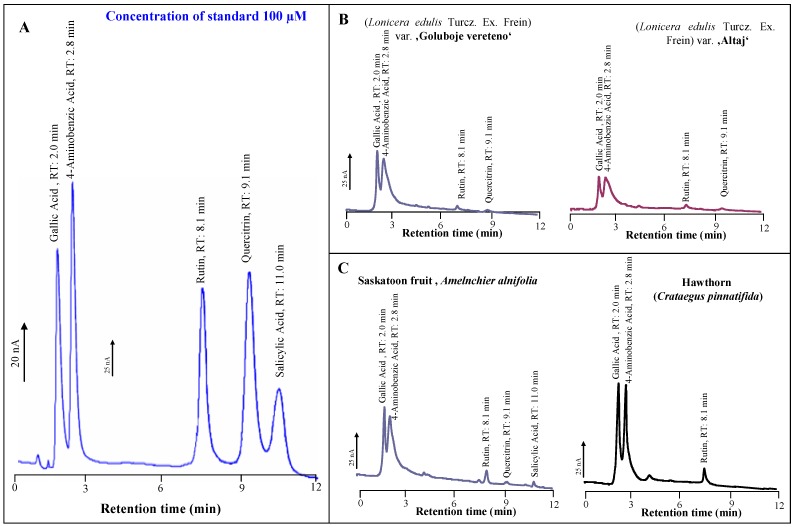
Neurodegenerative disorders (NDD) have become the common global health burden over the last several decades. According to World Health Organization (WHO), a staggering 30 million people will be affected by Alzheimer's disease in Europe and the USA by 2050. Effective therapies in this complex field considering the multitude of symptoms associated with NDD indications, have not been found yet. Based on the results of NDD related studies, prevention appears to be the promise alternative. Antioxidative and anti-inflammatory properties are hypothesized for natural phenolics, a group of plant secondary products that may positively impact neurodegenerative diseases. In these studies, phenolic-rich extracts from less common fruit species: Blue honeysuckle (Lonicera edulis, Turcz. ex. Freyn), Saskatoon berry (Amelanchier alnifolia Nutt.), and Chinese hawthorn (Crateagus pinnatifida Bunge) were obtained and analyzed to detect neuroprotective substances content and establish a potential therapeutic value. High performance liquid chromatography with electrochemical detection was optimized and further applied on analysis of the extracts of less common fruit species. It was observed that Chinese hawthorn and Blue honeysuckle extracts are potent source of neuroprotective phenolic antioxidants. In accordance the results, it appears that the fruit or formulated products may have the potential for the prevention of neurodegenerative diseases.
Figures
References
-
- WHO . The World Health Report 2002. World Health Organization; Geneva, Switzerland: 2002.
-
- Gerlach M., Benshachar D., Riederer P., Youdim M.B.H. Altered Brain Metabolism of Iron as a Cause of Neurodegenerative Diseases. J. Neurochem. 1994;63:793–807. - PubMed
Publication types
MeSH terms
Substances
LinkOut - more resources
Full Text Sources
Medical
