


Diagnosis and clinical implications of pancreatobiliary reflux
- PMID: 19034962
- PMCID: PMC2773301
- DOI: 10.3748/wjg.14.6622
Diagnosis and clinical implications of pancreatobiliary reflux
Abstract
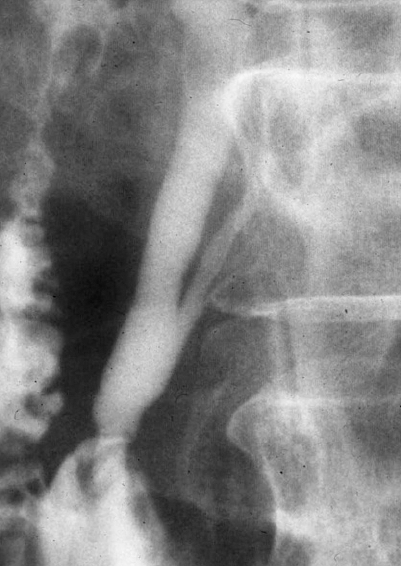
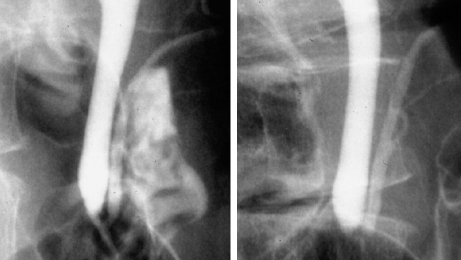
The sphincter of Oddi is located at the distal end of the pancreatic and bile ducts and regulates the outflow of bile and pancreatic juice. A common channel can be so long that the junction of the pancreatic and bile ducts is located outside of the duodenal wall, as occurs in pancreaticobiliary maljunction (PBM); in such cases, sphincter action does not functionally affect the junction. As the hydropressure within the pancreatic duct is usually greater than in the bile duct, pancreatic juice frequently refluxes into the biliary duct (pancreatobiliary reflux) in PBM, resulting in carcinogenetic conditions in the biliary tract. Pancreatobiliary reflux can be diagnosed from elevated amylase level in the bile, secretin-stimulated dynamic magnetic resonance cholangiopancreatography, and pancreatography via the minor duodenal papilla. Recently, it has become obvious that pancreatobiliary reflux can occur in individuals without PBM. Pancreatobiliary reflux might be related to biliary carcinogenesis even in some individuals without PBM. Since few systemic studies exist with respect to clinical relevance and implications of the pancreatobiliary reflux in individuals with normal pancreaticobiliary junction, further prospective clinical studies including appropriate management should be performed.
Figures
References
-
- Sterling JA. The common channel for bile and pancreatic ducts. Surg Gynecol Obstet. 1954;98:420–424. - PubMed
-
- Suda K, Miyano T, Hashimoto K. The choledocho-pancreatico-ductal junction in infantile obstructive jaundice diseases. Acta Pathol Jpn. 1980;30:187–194. - PubMed
-
- Suda K, Miyano T, Konuma I, Matsumoto M. An abnormal pancreatico-choledocho-ductal junction in cases of biliary tract carcinoma. Cancer. 1983;52:2086–2088. - PubMed
-
- Dowdy GS, Waldron GW, Brown WG. Surgical anatomy of the pancreatobiliary ductal system. Observations. Arch Surg. 1962;84:229–246. - PubMed
-
- The Japanese Study Group on Pancreaticobiliary Maljunction. Diagnostic criteria of pancreaticobiliary maljunction. J Hepatobiliary Pancreat Surg. 1994;1:219–221.
Publication types
MeSH terms
LinkOut - more resources
Full Text Sources
Research Materials
