


Effects of an Internet-based intervention for HIV prevention: the Youthnet trials
- PMID: 19037719
- PMCID: PMC2844766
- DOI: 10.1007/s10461-008-9487-9
Effects of an Internet-based intervention for HIV prevention: the Youthnet trials
Abstract
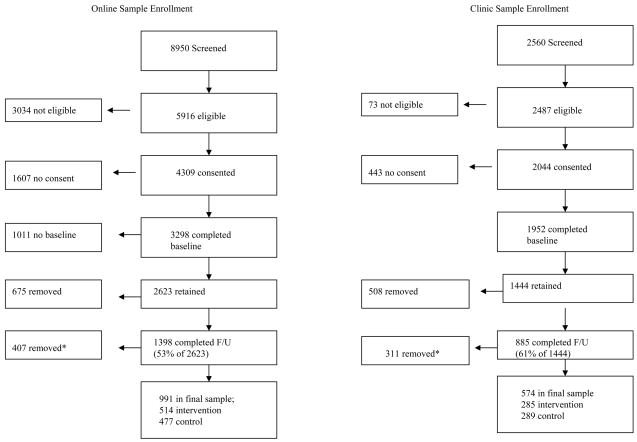
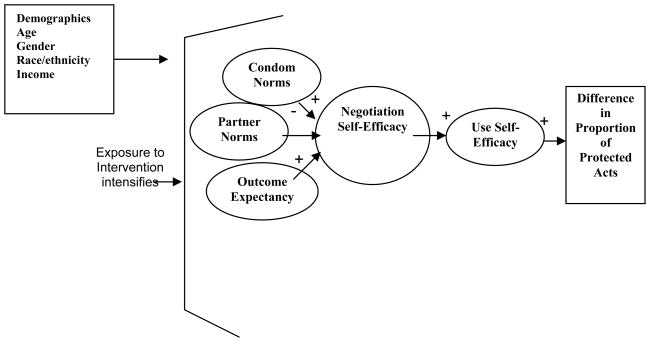
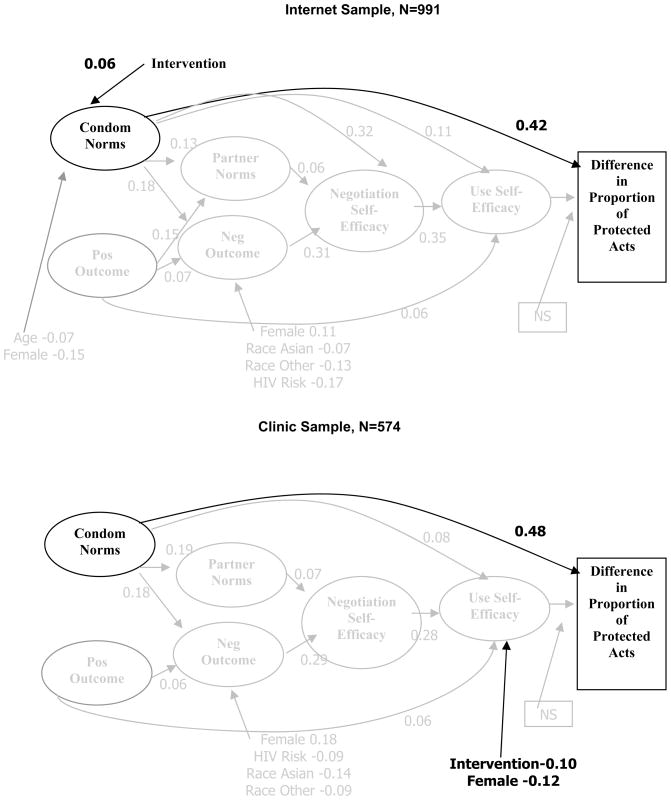
Youth use the Internet and computers in unprecedented numbers. We have yet to identify interventions that can reach and retain large numbers of diverse youth online and demonstrate HIV prevention efficacy. We tested a single session condom promotion Internet intervention for 18-24 year olds in two RCTs: one sample recruited online and one recruited in clinics. All study elements were carried out on the Internet. Using repeated measures structural equation models we analyzed change in proportion of sex acts protected by condoms (PPA) over time. Among sexually active youth in the Internet sample, persons exposed to the intervention had very slight increases in condom norms, and this was the only factor impacting PPA. We saw no intervention effects in the clinic sample. Internet-based interventions need to be more intensive to see greater effects. We need to do more to reach high risk youth online and keep their attention for multiple sessions.
Figures

References
-
- Azjen I. The theory of planned behavior. Organizational Behavior and Human Decision Processes. 1991;50:179–211.
-
- Babbie E. The practice of social research. 9. Belmont, CA: Wadsworth Publishing; 2003.
Publication types
MeSH terms
Grants and funding
LinkOut - more resources
Full Text Sources
Medical
