


Deficiency of nicotinamide adenine dinucleotide phosphate, reduced form oxidase enhances hepatocellular injury but attenuates fibrosis after chronic carbon tetrachloride administration
- PMID: 19072832
- PMCID: PMC2759707
- DOI: 10.1002/hep.22708
Deficiency of nicotinamide adenine dinucleotide phosphate, reduced form oxidase enhances hepatocellular injury but attenuates fibrosis after chronic carbon tetrachloride administration
Abstract
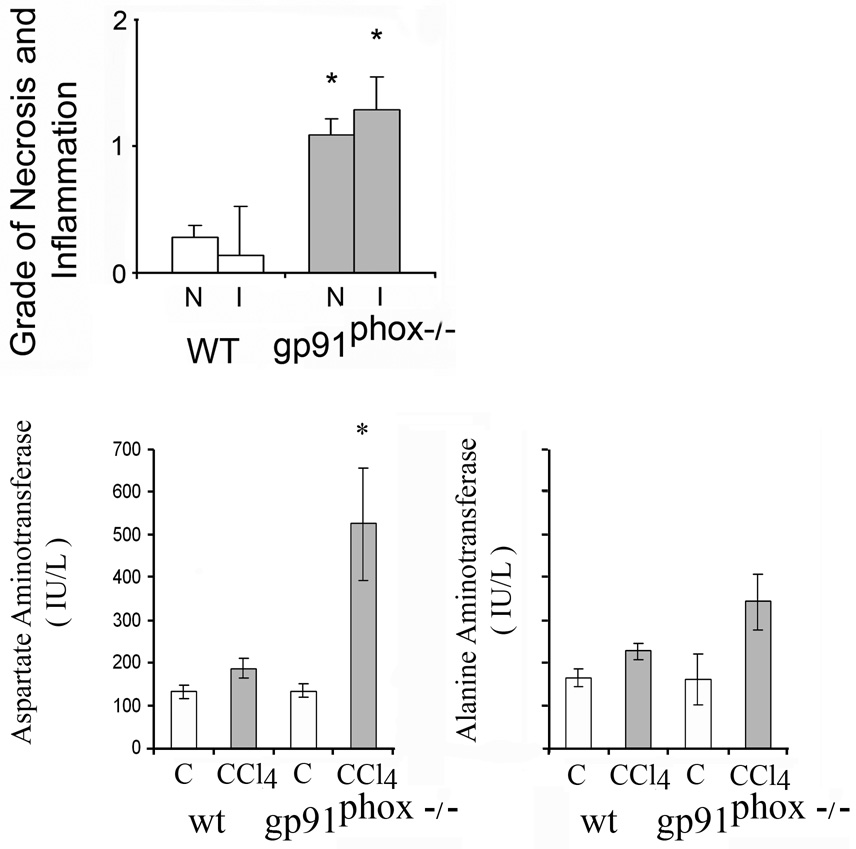
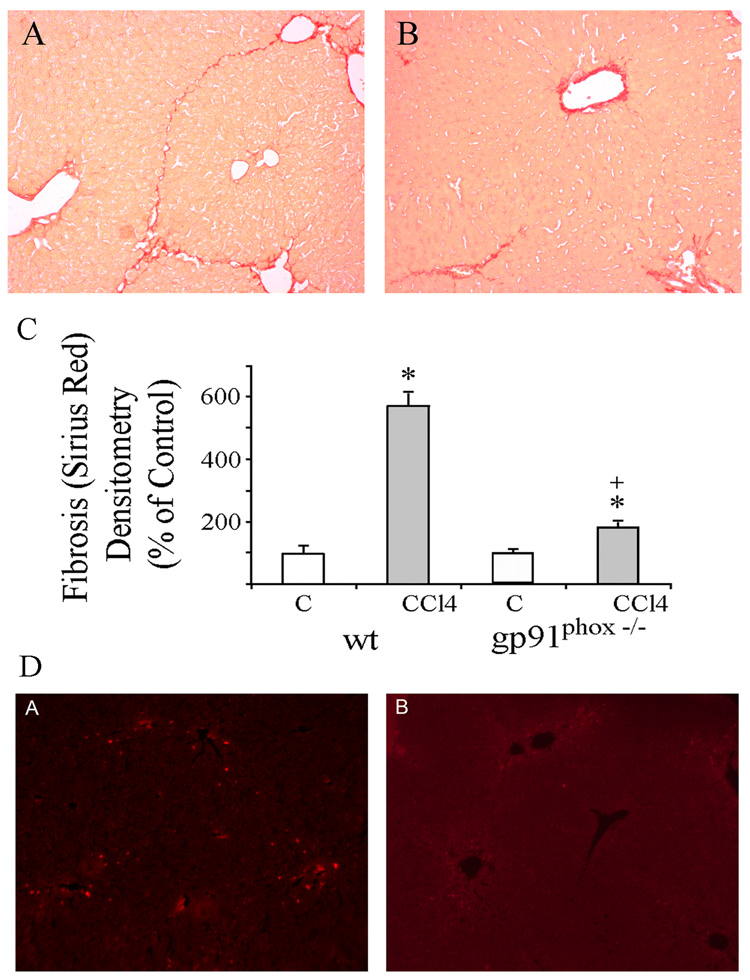
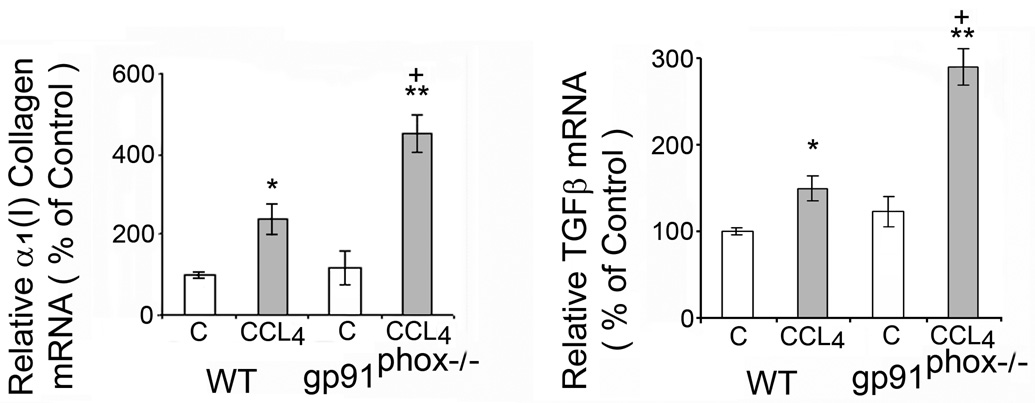
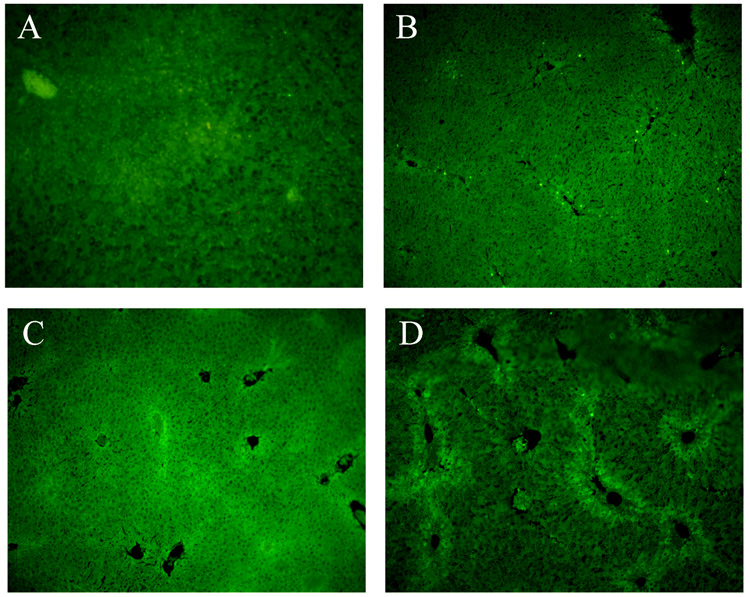
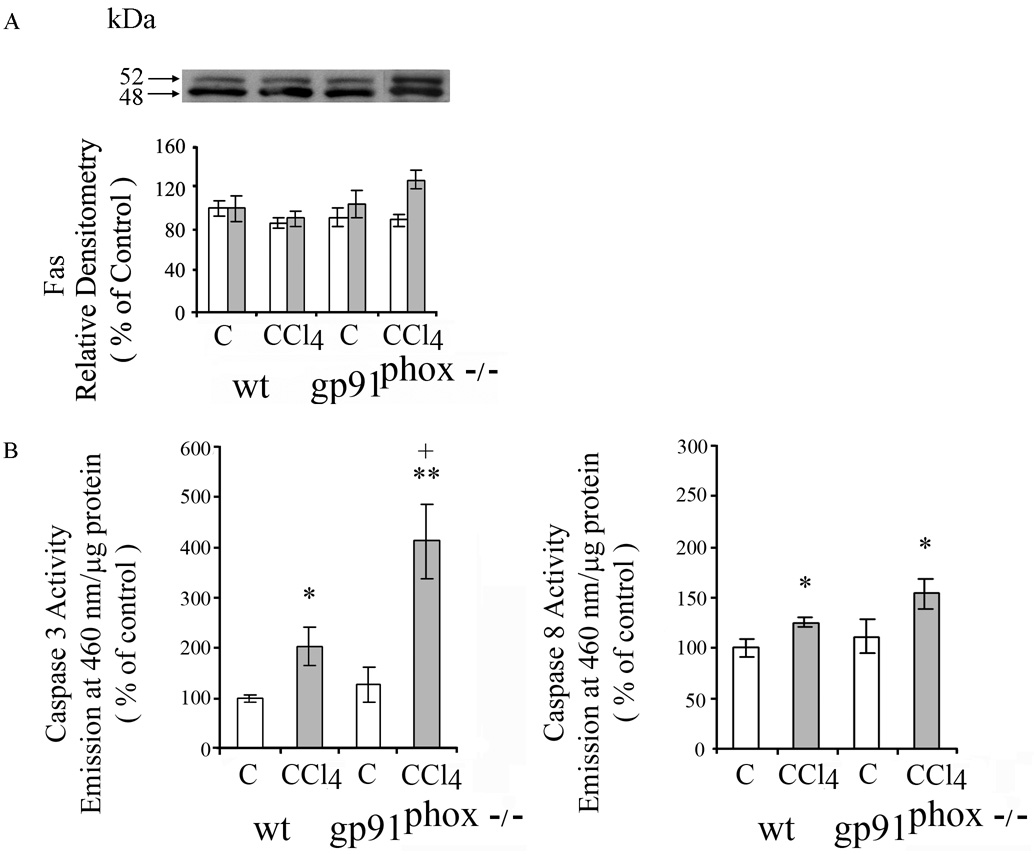
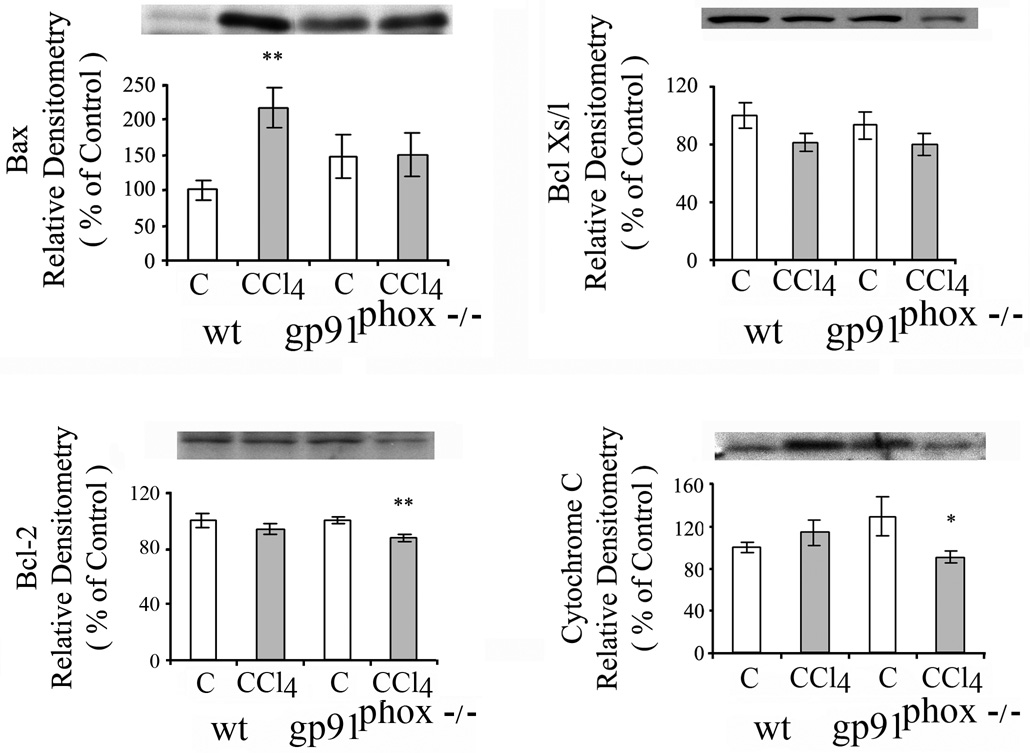
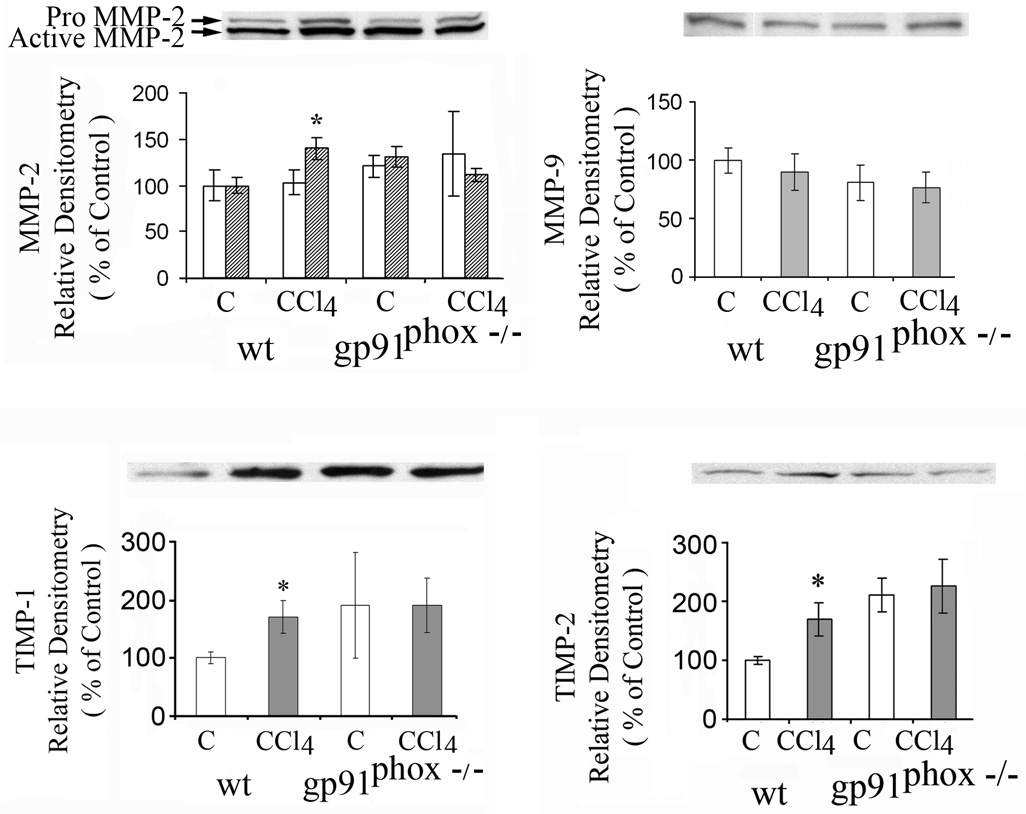
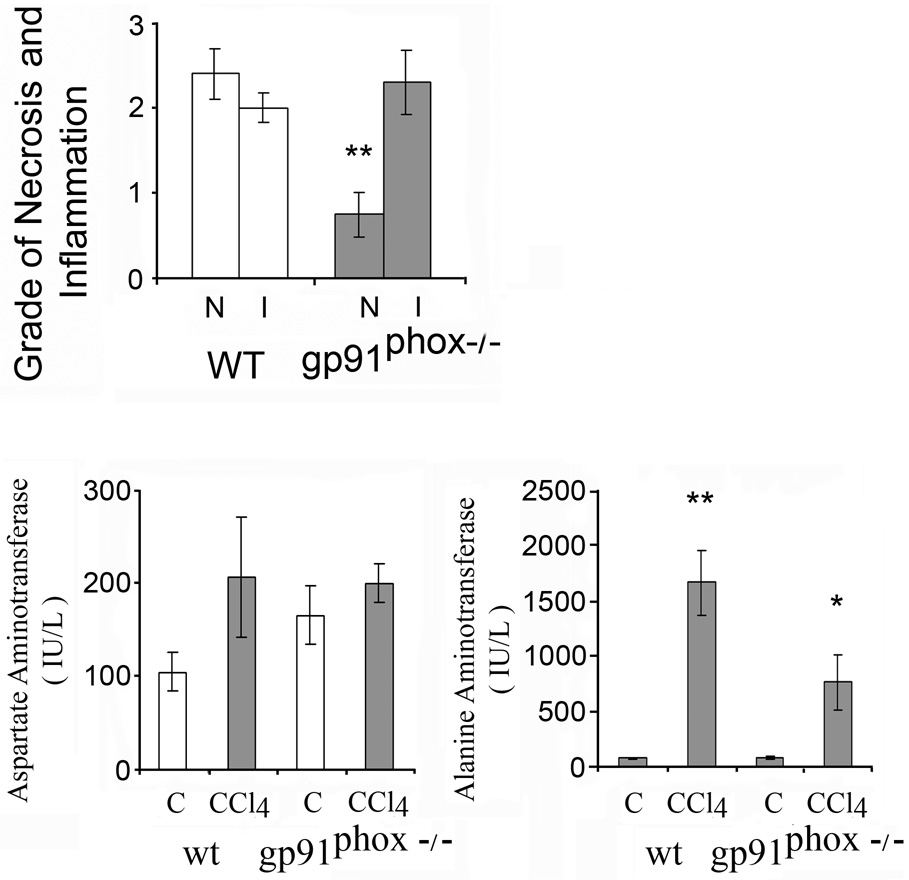
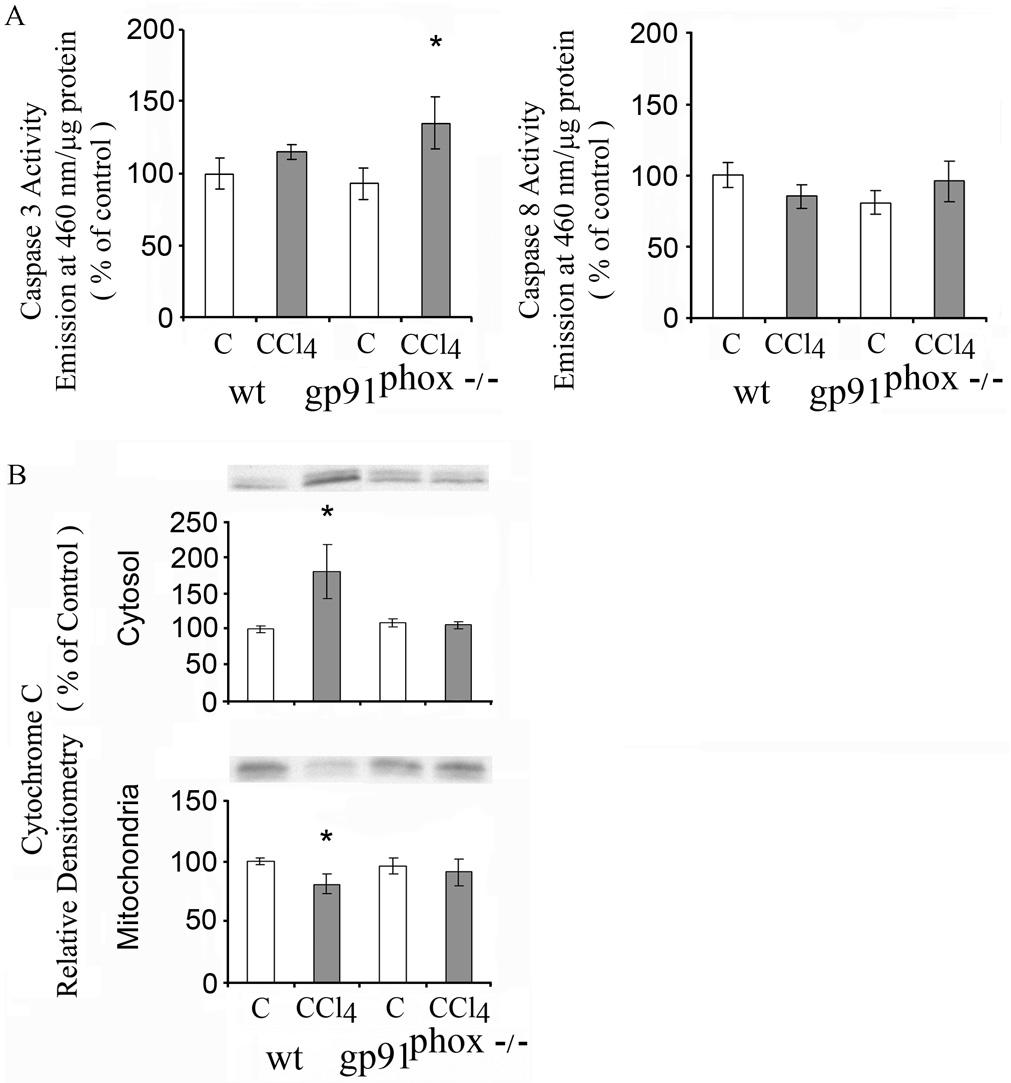
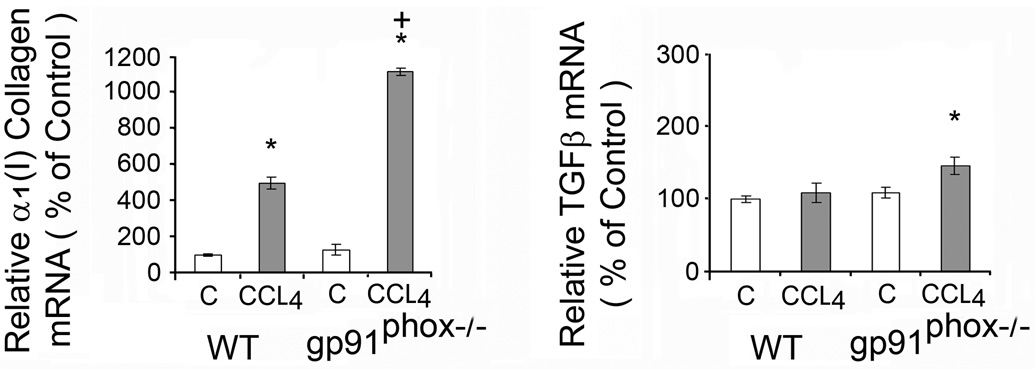
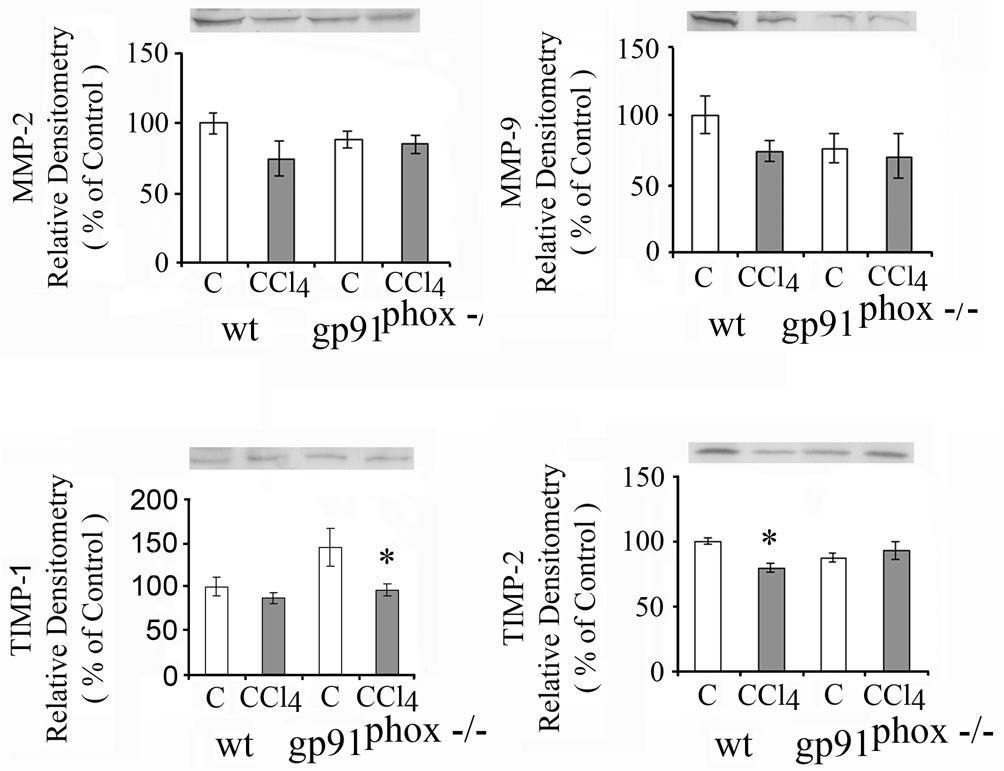
Reactive oxygen species (ROS) activate hepatic stellate cells and enhance fibrogenesis. This study determined the role of nicotinamide adenine dinucleotide phosphate, reduced form (NADPH) oxidase deficiency in the development of hepatocellular necrosis, inflammation, and apoptosis in relation to fibrosis produced by chronic carbon tetrachloride (CCl(4)) administration. Wild-type (WT) mice or mice with deficiency of the gp91(phox) subunit of NADPH complex (gp91(phox(-/-) )) were subjected to biweekly CCl(4) injections over 8 weeks, whereas controls were given isovolumetric injections of olive oil. Serum aspartate aminotransferase (AST) was higher after CCl(4) administration in gp91(phox(-/-) ) than in WT mice, correlating with increased necrosis on liver histology. By contrast, more hepatocyte apoptosis was found after CCl(4) in the WT than in the gp91(phox(-/-) ) mice, which was associated with changes in components of the mitochondrial pathway of apoptosis, namely, an increase in the pro-apoptotic BAX protein in the WT, but not in the gp91(phox(-/-) ) mice and also a lower cytosolic cytochrome c in the gp91(phox(-/-) ) mice. There were fewer stellate cells and less fibrosis after CCl(4) in the gp91(phox(-/-) ) as compared with the WT mice. The increase in alpha(1)(I) collagen messenger RNA (mRNA), however, was greater after CCl(4) in the gp91(phox(-/-) ) mice. Matrix metalloproteinase-2 (MMP-2) and MMP-9 mRNA increased more in the gp91(phox(-/-) ) than in WT mice after CCl(4.) Tissue inhibitor of metalloproteinase 1 (TIMP-1) and TIMP-2 increased after CCl(4) only in the gp91(phox(-/-) ) mice.
Conclusion: Decreased hepatic fibrosis after chronic CCl(4) administration in mice with NADPH oxidase deficiency occurs in the setting of greater necrosis and inflammation but decreased apoptosis.
Figures
References
-
- Nieto N, Friedman SL, Greenwel P, Cederbaum AI. CYP2E1-mediated oxidative stress induces collagen type I expression in rat hepatic stellate cells. Hepatology. 1999;30:987–996. - PubMed
-
- Chojkier M, Houglum K, Solis-Herruzo J, Brenner DA. Stimulation of collagen gene expression by ascorbic acid in cultured human fibroblasts. A role for lipid peroxidation? J Biol Chem. 1989;264:16957–16962. - PubMed
-
- Maher JJ, Tzagarakis C, Gimenez A. Malondialdehyde stimulates collagen production by hepatic lipocytes only upon activation in primary culture. Alcohol Alcohol. 1994;29:605–610. - PubMed
-
- Adachi T, Togashi H, Suzuki A, Kasai S, Ito I, Sugahara K, et al. NAD(P)H oxidase plays a crucial role in PDGF-induced proliferation of hepatic stellate cells. Hepatology. 2005;41:1272–1281. - PubMed
-
- Canbay A, Friedman S, Gores GJ. Apoptosis: the nexus of liver injury and fibrosis. Hepatology. 2004;39:273–278. - PubMed
Publication types
MeSH terms
Substances
Grants and funding
LinkOut - more resources
Full Text Sources
Medical
Research Materials
Miscellaneous