


Drosophila embryonic 'fibroblasts': extending mutant analysis in vitro
- PMID: 19077546
- PMCID: PMC4228982
- DOI: 10.4161/fly.7427
Drosophila embryonic 'fibroblasts': extending mutant analysis in vitro
Abstract
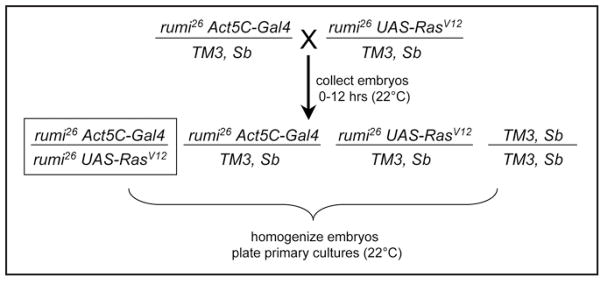
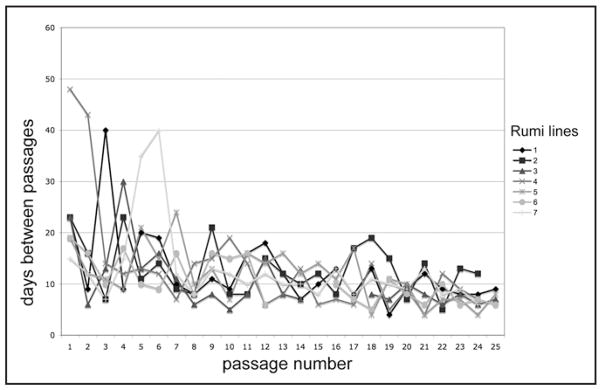
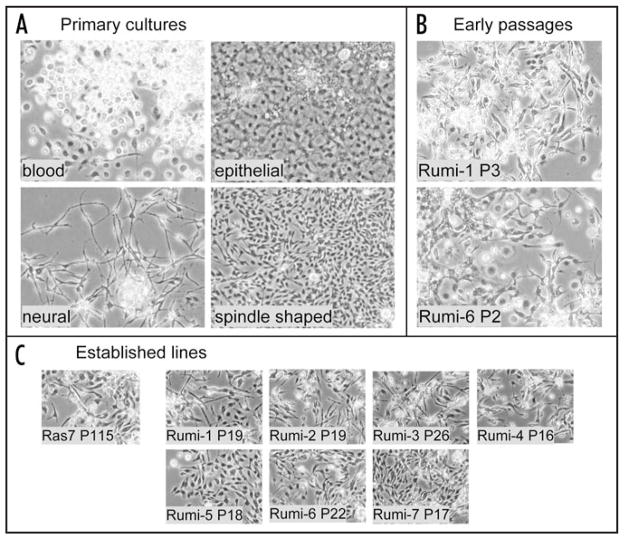
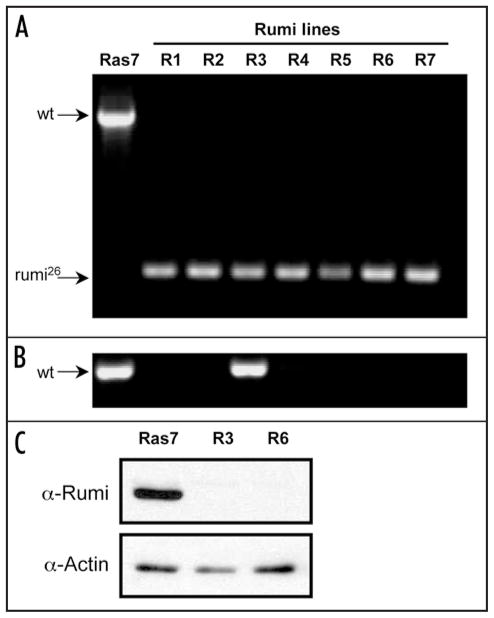
The in vivo analysis of Drosophila using genetics, with almost a hundred year history, has produced an immense body of knowledge about biology. In vitro analysis, while arguably the poor cousin to its in vivo relative, has a utility--in biochemical analyses and in cell-based screening, for example, with RNAi. A major block to the development of in vitro analysis has been the lack of an efficient genetic method to derive cell lines from mutant Drosophila strains. We recently discovered that expression of activated Ras (Ras(V12)) provides cells in vitro with both a survival and a proliferative advantage and hence promotes the generation of cell lines. In this addendum, we provide new data describing the genesis of seven cell lines corresponding to a rumi mutant, which demonstrate that the method can be used to derive lines and study genetic mutants in vitro.
Figures
References
-
- Schneider I. Cell lines derived from late embryonic stages of Drosophila melanogaster. J Embryol Exp Morphol. 1972;27:353–65. - PubMed
-
- Echalier G, Ohanessian A. In vitro culture of Drosophila melanogaster embryonic cells. In Vitro. 1970;6:162–72. - PubMed
-
- Echalier G. Drosophila cells in culture. New York: Academic Press; 1997.
Publication types
MeSH terms
Substances
Grants and funding
LinkOut - more resources
Full Text Sources
Molecular Biology Databases
Research Materials
