


Identification of a novel haplotype of the human catechol-O-methyltransferase gene
- PMID: 19077667
- PMCID: PMC4417470
- DOI: 10.1097/FPC.0b013e32830fbde4
Identification of a novel haplotype of the human catechol-O-methyltransferase gene
Abstract
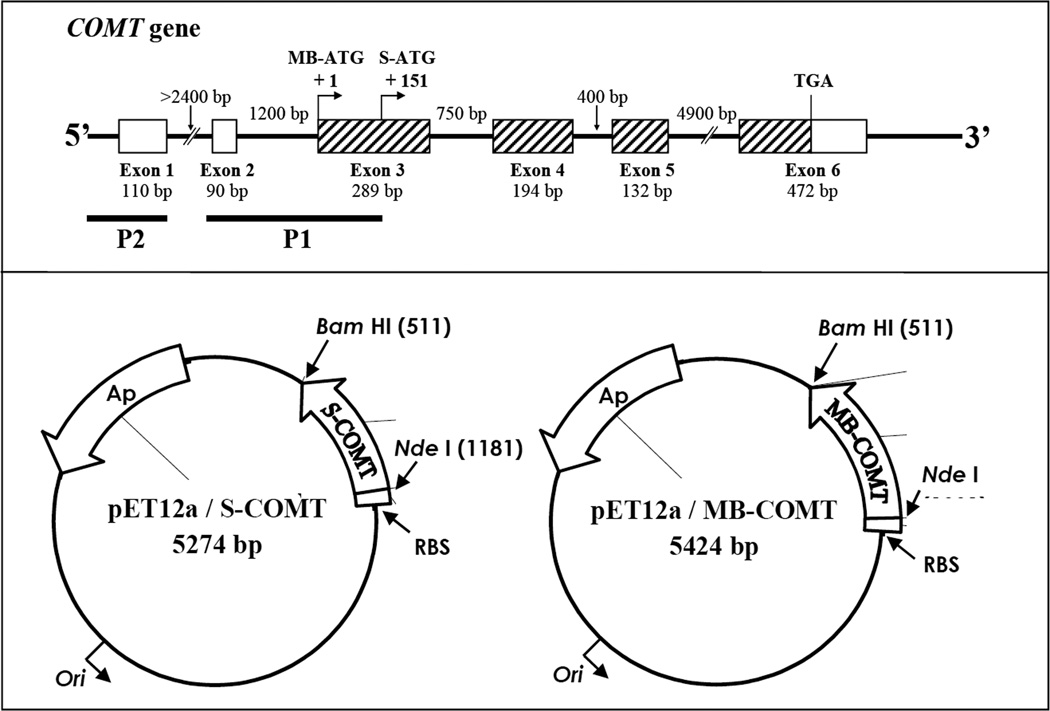
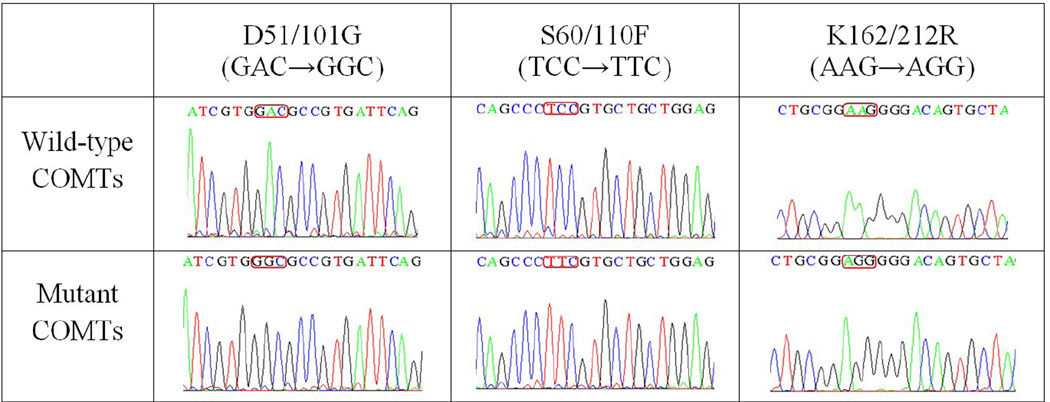
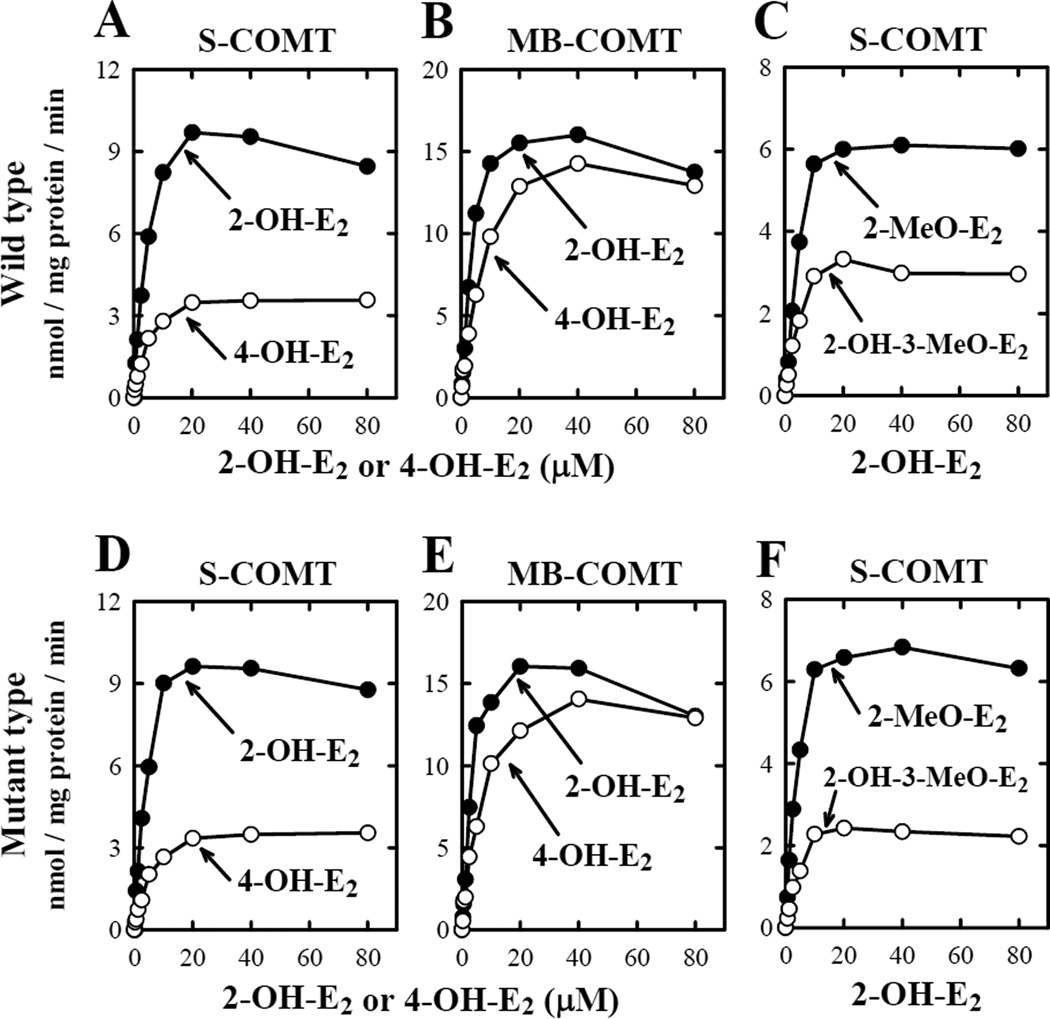
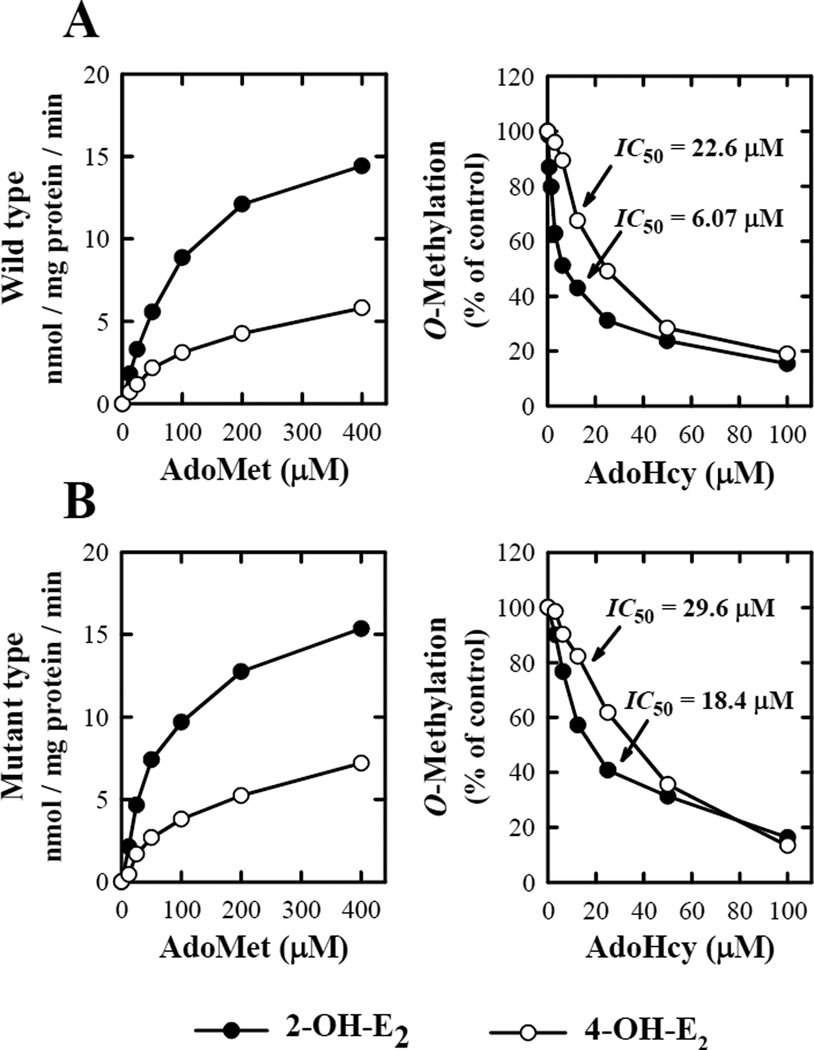
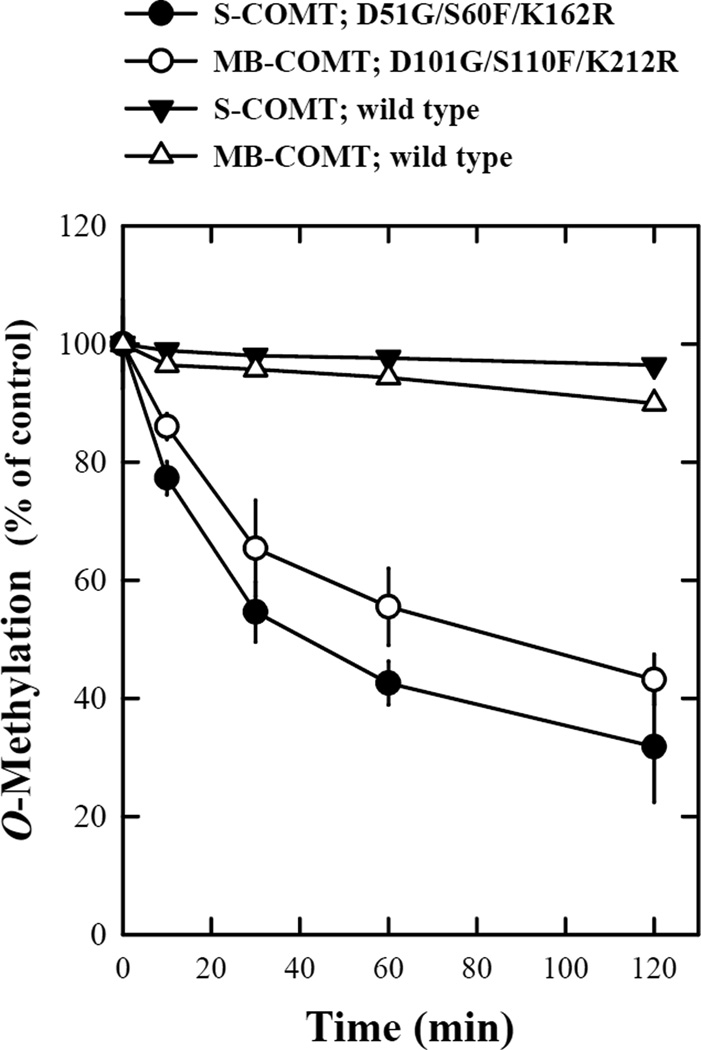
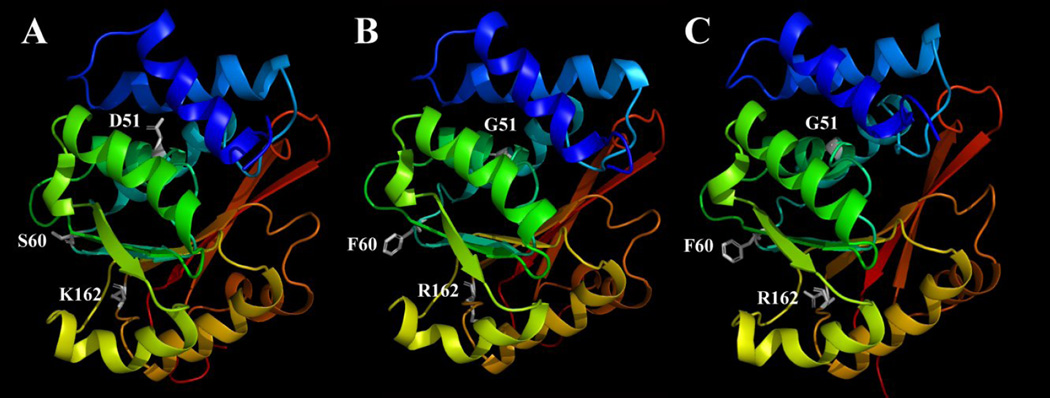
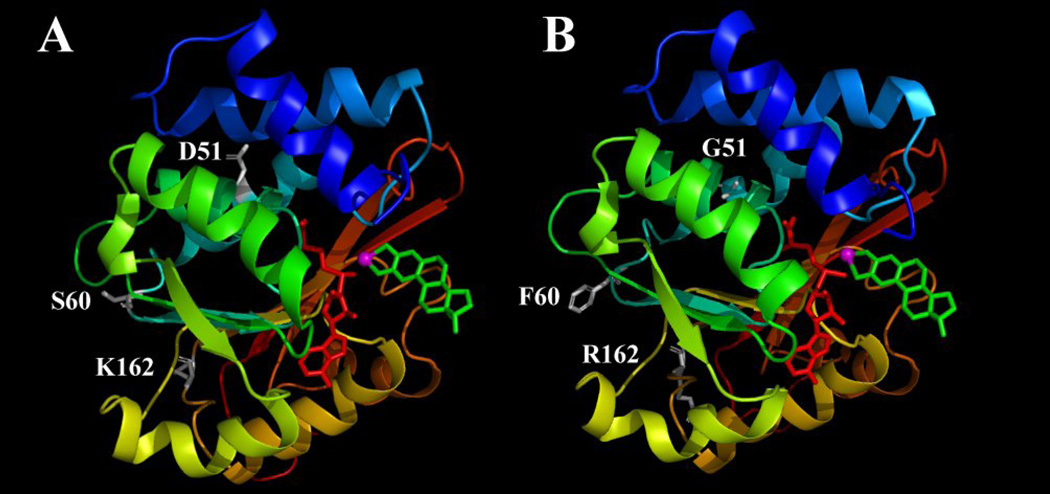
Human catechol-O-methyltransferase (COMT; EC 2.1.1.6) catalyzes the transfer of the methyl group to a variety of endogenous and exogenous catechol substrates using S-adenosyl-L-methionine as the methyl donor. This enzymatic O-methylation plays an important role in the inactivation of biologically active and toxic catechols. A number of studies in recent years have sought to characterize the polymorphism of human COMTs and also to determine the catalytic activity of polymorphic enzymes. We report here the identification of a new haplotype of the human COMT gene with triplet point mutations, which encodes the D51G/S60F/K162R mutant of the soluble COMT and the D101G/S110F/K212R mutant of the membrane-bound COMT. Kinetic analysis showed that these new COMT variants had essentially the same kinetic characteristics and catalytic activity as the wild-type COMTs for the O-methylation of 2-hydroxyestradiol and 4-hydroxyestradiol in vitro, but they have a significantly reduced thermostability at 37 degrees C.
Figures
References
-
- Axelrod J, Tomchick R. Enzymatic O-methylation of epinephrine and other catechols. J Biol Chem. 1958;233:702–705. - PubMed
-
- Axelrod J. Methylation reactions in the formation and metabolism of catecholamines and other biogenic amines. Pharmacol Rev. 1996;18:95–113. - PubMed
-
- Zhu BT. Catechol-O-Methyltransferase (COMT)-mediated methylation metabolism of endogenous bioactive catechols and modulation by endobiotics and xenobiotics: importance in pathophysiology and pathogenesis. Curr Drug Metab. 2002;3:321–349. - PubMed
-
- Tenhunen J, Salminen M, Jalanko A, Ukkonen S, Ulmanen I. Structure of the rat catechol-O-methyltransferase gene: separate promoters are used to produce mRNAs for soluble and membrane-bound forms of the enzyme. DNA Cell Biol. 1993;12:253–263. - PubMed
-
- Zhu BT, Liehr JG. Quercetin increases the severity of estradiol-induced tumorigenesis in hamster kidney. Toxicol Appl Pharmacol. 1994;125:149–158. - PubMed
Publication types
MeSH terms
Substances
Grants and funding
LinkOut - more resources
Full Text Sources
Miscellaneous
