


Long-term Outcomes of the ATHENA (Athletes Targeting Healthy Exercise & Nutrition Alternatives) Program for Female High School Athletes
- PMID: 19081833
- PMCID: PMC2598770
Long-term Outcomes of the ATHENA (Athletes Targeting Healthy Exercise & Nutrition Alternatives) Program for Female High School Athletes
Abstract
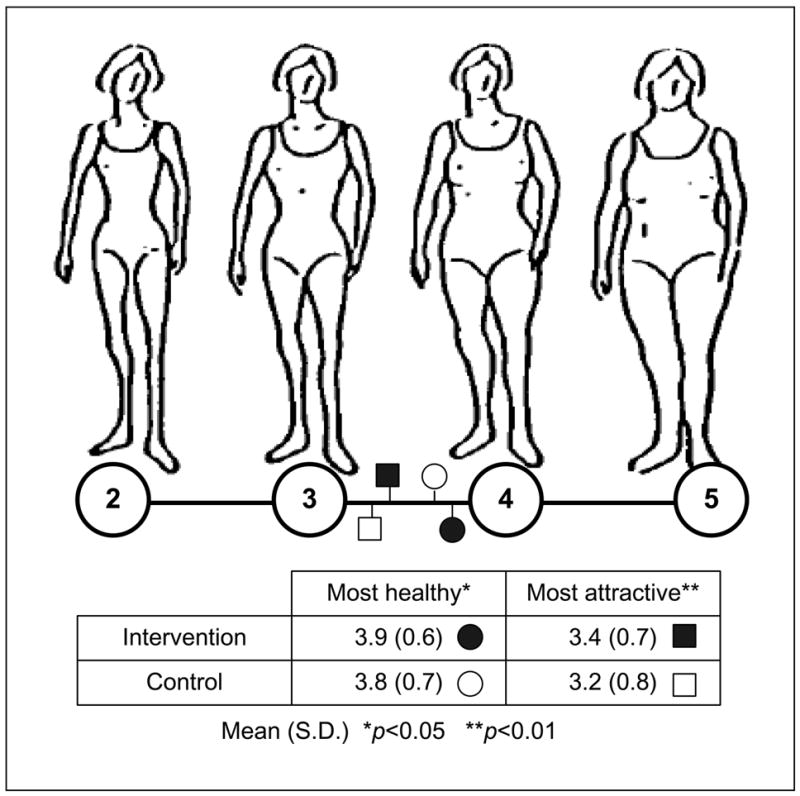
Adolescence and emerging adulthood are critical windows for establishing life-long behaviors. We assessed long-term outcomes of a prospective randomized harm reduction/health promotion program for female high school athletes. The intervention's immediate beneficial effects on diet pill use and unhealthy eating behaviors have been reported; however, tobacco, alcohol and marijuana use were not immediately altered (Elliot et al, 2004). One to three years following graduation, positive benefits in those domains became evident, and intervention students reported significantly less lifetime use of cigarettes, marijuana, and alcohol. Sport teams may be effective vehicles for gender-specific interventions to promote competency skills and deter harmful actions, and those benefits may manifest when acquired abilities are applied in new environments following high school graduation.
Figures
References
-
- American Association of University Women Education Foundation. Growing smart. What’s working for girls in school? Washington, DC: American Association of University Women Education Foundation; 1995.
-
- Black DR, Tobler NS, Sciacca JP. Peer helping/involvement: an efficacious way to meet the challenge of reducing alcohol, tobacco, and other drug use among youth? Journal of School Health. 1998;68:87–93. - PubMed
-
- Brown BR, Jr, Butterfield SA. Coaches: a missing link in the health care system. American Journal of Diseases of Children. 1992;146:211–217. - PubMed
-
- Borzekowski DLG, Bayer AM. Body image and media use among adolescents. Adolescent Medicine. 2005;16:289–313. - PubMed
-
- Botvin GJ. Preventing drug abuse in schools: social and competence enhancement approaches targeting individual-level etiologic factors. Addictive Behaviors. 2000;25:887–897. - PubMed
Grants and funding
LinkOut - more resources
Full Text Sources