


P-gp inhibition potential in cell-based models: which "calculation" method is the most accurate?
- PMID: 19082742
- PMCID: PMC2628205
- DOI: 10.1208/s12248-008-9068-x
P-gp inhibition potential in cell-based models: which "calculation" method is the most accurate?
Abstract
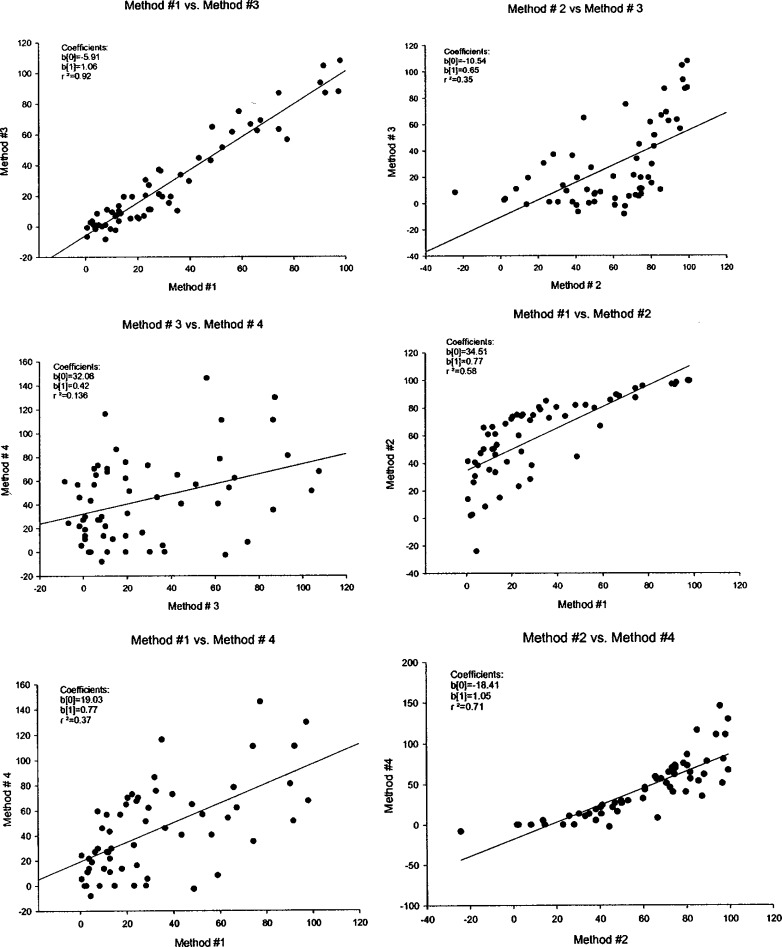
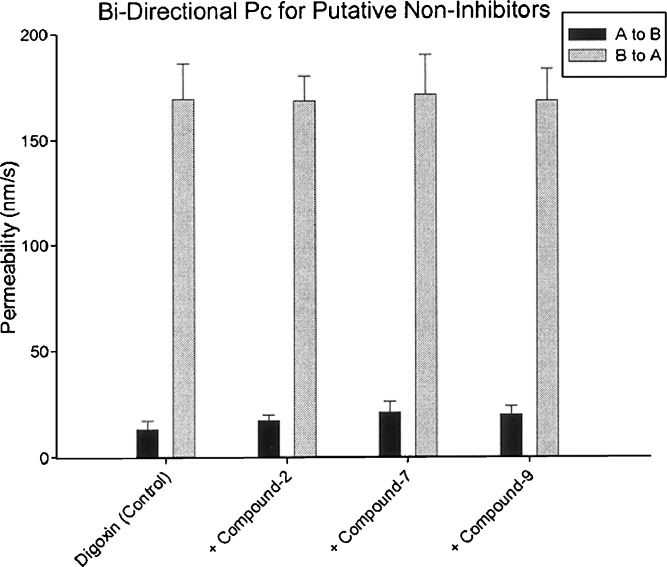
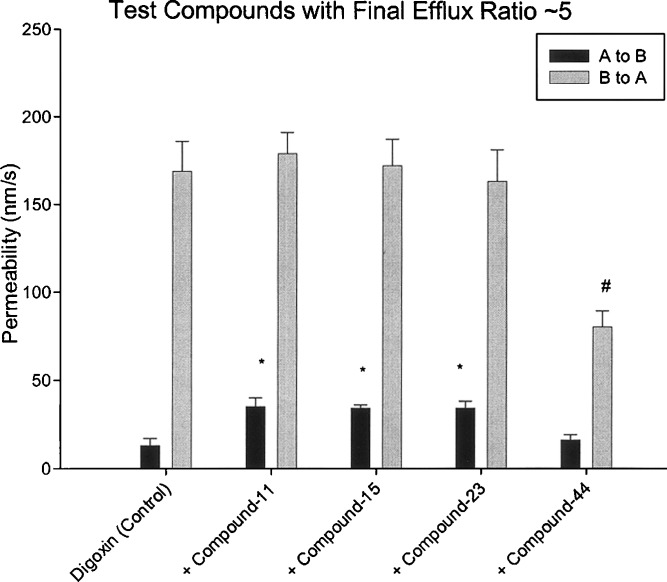
The objective was to directly compare the four different "calculation" methods of assessing P-gp inhibition potential using experimental data obtained from approximately 60 structurally diverse internal research and marketed compounds. Bidirectional studies for digoxin (probe for P-gp substrate) were performed with and without test compounds (at 10 microM). Four different calculation methods were applied to the same dataset (raw bidirectional permeability values) to obtain the "percent inhibition of P-gp" for these compounds using the different methods. Significantly different inhibition potential was obtained with the "exact" same experimental dataset depending on the calculation method used. Subsequently, entirely different conclusions regarding the "inhibition potential" of test compound was reached due to the different calculation methods. Based on the direct comparison of these methods, method no. 3 (i.e., inhibition of B to A permeability of digoxin) is recommended as the calculation method ideal during screening stages due to its high throughput amenability. The methodology is capable of rapidly screening compounds with adequate reliability for early stage drug discovery. Method no. 3 provides an abridged version of a bidirectional study that is fully capable of identifying all non-inhibitors (0-20%), moderate inhibitors (20-60%), and potent inhibitors (>60%) and demonstrates high correlation with method no. 1 (inhibition based on both A to B and B to A permeability of digoxin). Nevertheless, method no. 1 might be appropriate for more detailed mechanistic studies required in late stage discovery and development.
Figures
References
MeSH terms
Substances
LinkOut - more resources
Full Text Sources
Miscellaneous
