


Acidic beverages increase the risk of in vitro tooth erosion
- PMID: 19083423
- PMCID: PMC2516950
- DOI: 10.1016/j.nutres.2008.03.001
Acidic beverages increase the risk of in vitro tooth erosion
Abstract
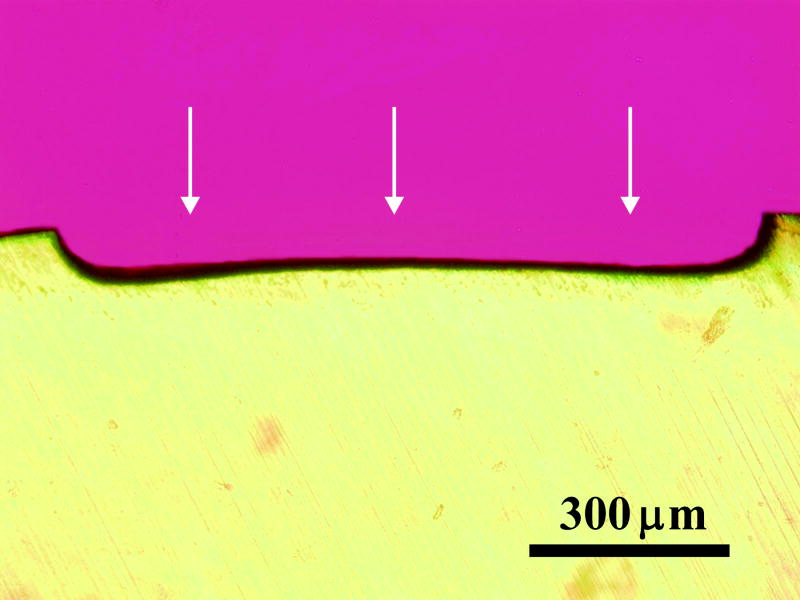
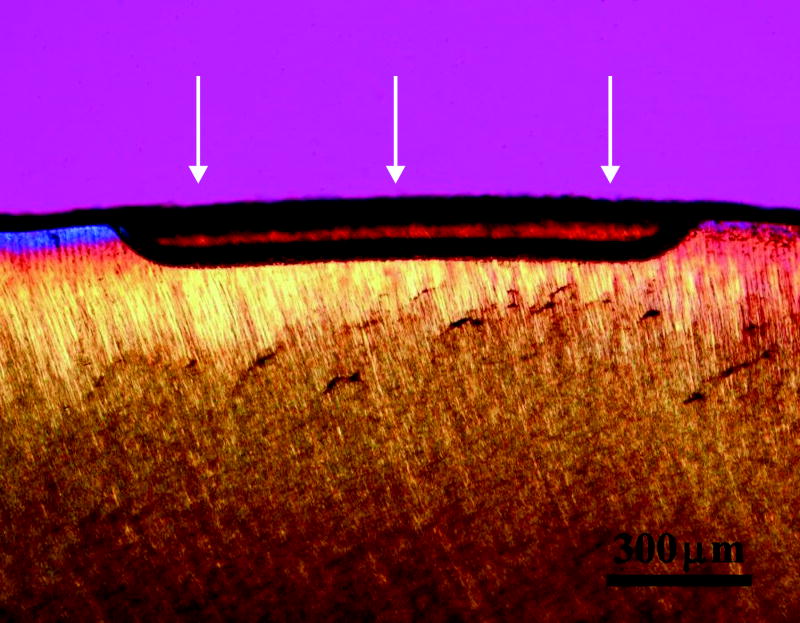
Acidic beverages are thought to increase the potential for dental erosion. We report pH and titratable acidities (ie, quantity of base required to bring a solution to neutral pH) of beverages popular in the United States and lesion depths in enamel and root surfaces after beverage exposure, and we describe associations among pH, titratable acidity, and both enamel and root erosive lesion depths. The pH of 100% juices, regular sodas, diet sodas, and sports drinks upon opening and the titratable acidity both upon opening and after 60 minutes of stirring were measured. Enamel and root surfaces of healthy permanent molars and premolars were exposed to individual beverages (4 enamel and 4 root surfaces per beverage) for 25 hours, and erosion was measured. Statistical analyses included 2-sample t tests, analyses of variance with post hoc Tukey studentized range test; and Spearman rank correlation coefficients. All beverages were acidic; the titratable acidity of energy drinks was greater than that of regular and diet sodas that were greater than that of 100% juices and sports drinks (P < .05). Enamel lesion depths after beverage exposures were greatest for Gatorade, followed by those for Red Bull and Coke that were greater than those for Diet Coke and 100% apple juice (P < .05). Root lesion depths were greatest for Gatorade, followed by Red Bull, Coke, 100% apple juice, and Diet Coke (P < .05). Lesion depths were not associated with pH or titratable acidity. Beverages popular in the United States can produce dental erosion.
Conflict of interest statement
Figures
References
-
- Lussi A, Jaeggi T, Zero D. The role of diet in the aetiology of dental erosion. Caries Res. 2004;38S:34–44. - PubMed
-
- Imfeld T. Dental erosion: definition, classification and links. Eur J Oral Sci. 1996;104:151–5. - PubMed
-
- Scheutzel P. Etiology of dental erosion: intrinsic factors. Eur J Oral Sci. 1996;104:178–90. - PubMed
-
- Dugmore CR, Rock WP. The prevalence of tooth erosion in 12-year-old children. Br Dent J. 2004;196:279–82. - PubMed
-
- Al-Majed I, Maguire A, Murray JJ. Risk factors for dental erosion in 5-6 year-old and 12-14-year-old boys in Saudi Arabia. Community Dent Epidemiol. 2002;30:38–46. - PubMed
Publication types
MeSH terms
Substances
Grants and funding
LinkOut - more resources
Full Text Sources
