


Identification of novel mutations and sequence variation in the Zellweger syndrome spectrum of peroxisome biogenesis disorders
- PMID: 19105186
- PMCID: PMC2649967
- DOI: 10.1002/humu.20932
Identification of novel mutations and sequence variation in the Zellweger syndrome spectrum of peroxisome biogenesis disorders
Abstract
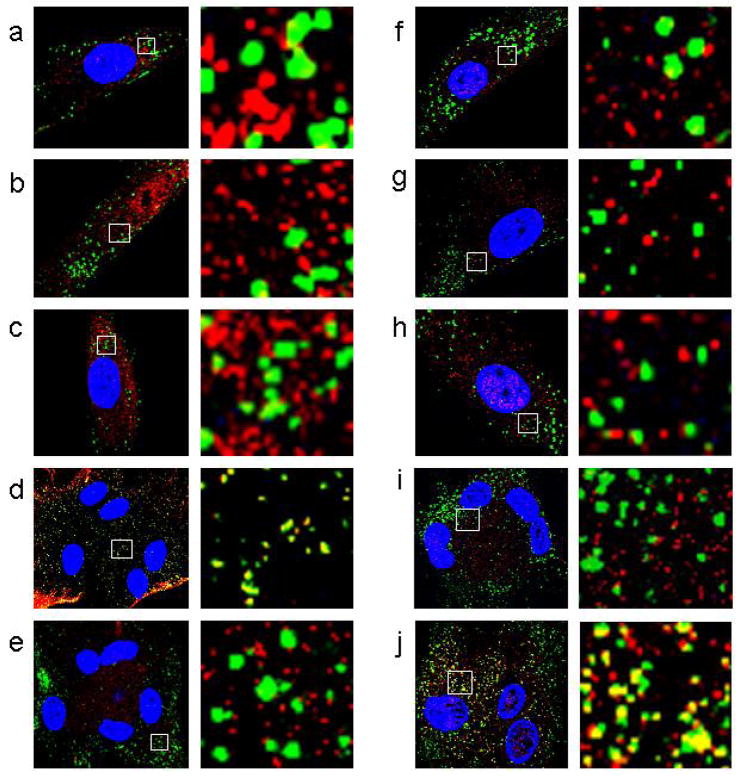
Peroxisome biogenesis disorders (PBD) are a heterogeneous group of autosomal recessive neurodegenerative disorders that affect multiple organ systems. Approximately 80% of PBD patients are classified in the Zellweger syndrome spectrum (PBD-ZSS). Mutations in the PEX1, PEX6, PEX10, PEX12, or PEX26 genes are found in approximately 90% of PBD-ZSS patients. Here, we sequenced the coding regions and splice junctions of these five genes in 58 PBD-ZSS cases previously subjected to targeted sequencing of a limited number of PEX gene exons. In our cohort, 71 unique sequence variants were identified, including 18 novel mutations predicted to disrupt protein function and 2 novel silent variants. We identified 4 patients who had two deleterious mutations in one PEX gene and a third deleterious mutation in a second PEX gene. For two such patients, we conducted cell fusion complementation analyses to identify the defective gene responsible for aberrant peroxisome assembly. Overall, we provide empirical data to estimate the relative fraction of disease-causing alleles that occur in the coding and splice junction sequences of these five PEX genes and the frequency of cases where mutations occur in multiple PEX genes. This information is beneficial for efforts aimed at establishing rapid and sensitive clinical diagnostics for PBD-ZSS patients and interpreting the results from these genetic tests.
2008 Wiley-Liss, Inc.
Figures
References
-
- Albert TJ, Molla MN, Muzny DM, Nazareth L, Wheeler D, Song X, Richmond TA, Middle CM, Rodesch MJ, Packard CJ, Weinstock GM, Gibbs RA. Direct selection of human genomic loci by microarray hybridization. Nat Methods. 2007;4:903–905. - PubMed
-
- Badano JL, Leitch CC, Ansley SJ, May-Simera H, Lawson S, Lewis RA, Beales PL, Dietz HC, Fisher S, Katsanis N. Dissection of epistasis in oligogenic Bardet-Biedl syndrome. Nature. 2006;439:326–330. - PubMed
-
- Boichard A, Venet L, Naas T, Boutron A, Chevret L, de Baulny HO, De Lonlay P, Legrand A, Nordman P, Brivet M. Two silent substitutions in the PDHA1 gene cause exon 5 skipping by disruption of a putative exonic splicing enhancer. Mol Genet Metab. 2008;93:323–330. - PubMed
Publication types
MeSH terms
Substances
Grants and funding
LinkOut - more resources
Full Text Sources
Molecular Biology Databases
