


Environmental poliovirus surveillance during oral poliovirus vaccine and inactivated poliovirus vaccine use in Córdoba Province, Argentina
- PMID: 19124585
- PMCID: PMC2648149
- DOI: 10.1128/AEM.02201-08
Environmental poliovirus surveillance during oral poliovirus vaccine and inactivated poliovirus vaccine use in Córdoba Province, Argentina
Abstract
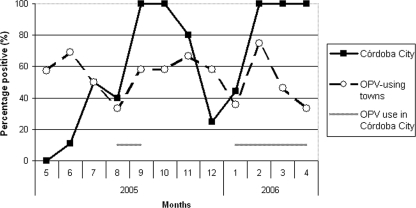
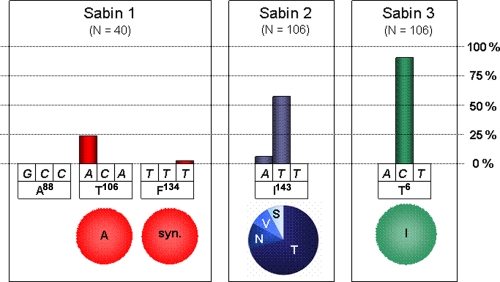
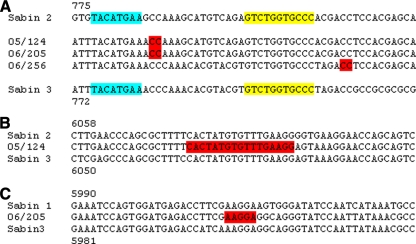
This study compares the presence of environmental poliovirus in two Argentinean populations using oral poliovirus vaccine (OPV) or inactivated poliovirus vaccine (IPV). From January 2003 to December 2005, Córdoba City used IPV in routine infant immunizations, with the exception of intermittent OPV use in August 2005. Between May 2005 and April 2006, we collected weekly wastewater samples in Córdoba City and the province's three major towns, which continued OPV use at all times. Wastewater samples were processed and analyzed for the presence of poliovirus according to WHO guidelines. During the months of IPV use in Córdoba City, the overall proportion of poliovirus-positive samples was 19%. During an intermittent switch from IPV to OPV, this proportion increased to 100% within 2 months. During the 3 months when IPV was reintroduced to replace OPV, a substantial proportion of samples (25%) remained positive for poliovirus. In the OPV-using sites, on average, 54% of samples were poliovirus positive. Seventy-seven percent of poliovirus isolates showed at least one mutation in the VP1-encoding sequence; the maximum genetic divergence from the Sabin strain was 0.7%. Several isolates showed mutations on attenuation markers in the VP1-encoding sequence. The frequency or type of virus mutation did not differ between periods of IPV and OPV use or by virus serotypes. This study indicates that the sustained transmission of OPV viruses was limited during IPV use in a middle-income country with a temperate climate. The continued importation of poliovirus and genetic instability of vaccine strains even in the absence of sustained circulation suggest that high poliovirus vaccine coverage has to be maintained for all countries until the risk of reintroduction of either wild or vaccine-derived poliovirus is close to zero worldwide.
Figures
References
-
- Blomqvist, S., A. L. Bruu, M. Stenvik, and T. Hovi. 2003. Characterization of a recombinant type 3/type 2 poliovirus isolated from a healthy vaccinee and containing a chimeric capsid protein VP1. J. Gen. Virol. 84:573-580. - PubMed
-
- Dedepsidis, E., I. Karakasiliotis, E. Paximadi, Z. Kyriakopoulou, D. Komiotis, and P. Markoulatos. 2006. Detection of unusual mutation within the VP1 region of different re-isolates of poliovirus Sabin vaccine. Virus Genes 33:183-191. - PubMed
Publication types
MeSH terms
Substances
LinkOut - more resources
Full Text Sources
Miscellaneous
