


Microsatellite instability, MLH1 promoter methylation, and BRAF mutation analysis in sporadic colorectal cancers of different ethnic groups in Israel
- PMID: 19127559
- PMCID: PMC2855188
- DOI: 10.1002/cncr.24019
Microsatellite instability, MLH1 promoter methylation, and BRAF mutation analysis in sporadic colorectal cancers of different ethnic groups in Israel
Abstract
Background: The molecular mechanisms that underlie colorectal cancer (CRC) include microsatellite instability (MSI), chromosomal instability, and the CpG island methylator phenotype. There is evidence to suggest that CRC incidence varies among different ethnic populations worldwide. The authors of this report hypothesized that environmental factors and lifestyle differences among various ethnic groups may differentially influence the epigenetic regulation of tumor suppressor genes in CRC.
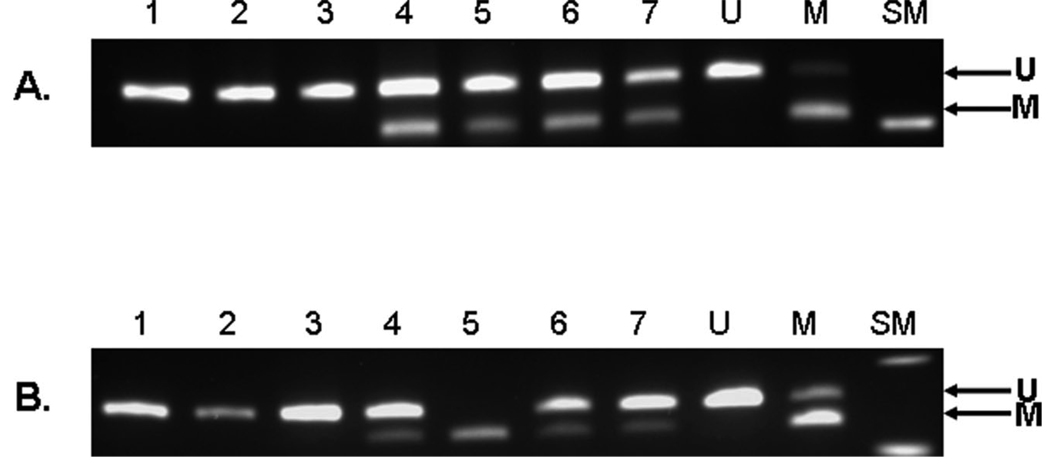
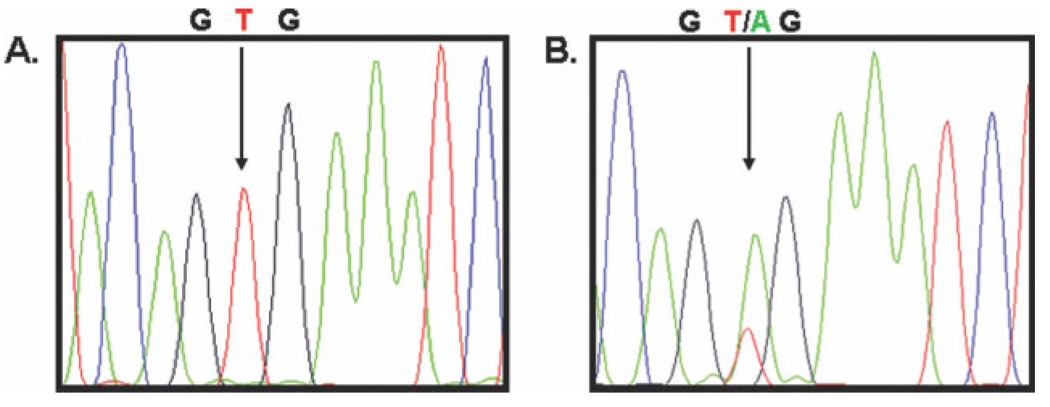
Methods: In the current study, microdissection and DNA extraction were performed on 128 samples of CRC from Israeli patients (85 Jews and 43 Arabs). MSI analysis, mutL homolog 1 (MLH1) and mutS homolog 2 (MSH2) protein expression levels, and MLH1 promoter methylation were investigated by combined bisulfite restriction analysis. The v-raf murine sarcoma viral oncogene homolog B1 (BRAF) valine-to-glutamic acid mutation at residue 600 was investigated by direct DNA sequencing.
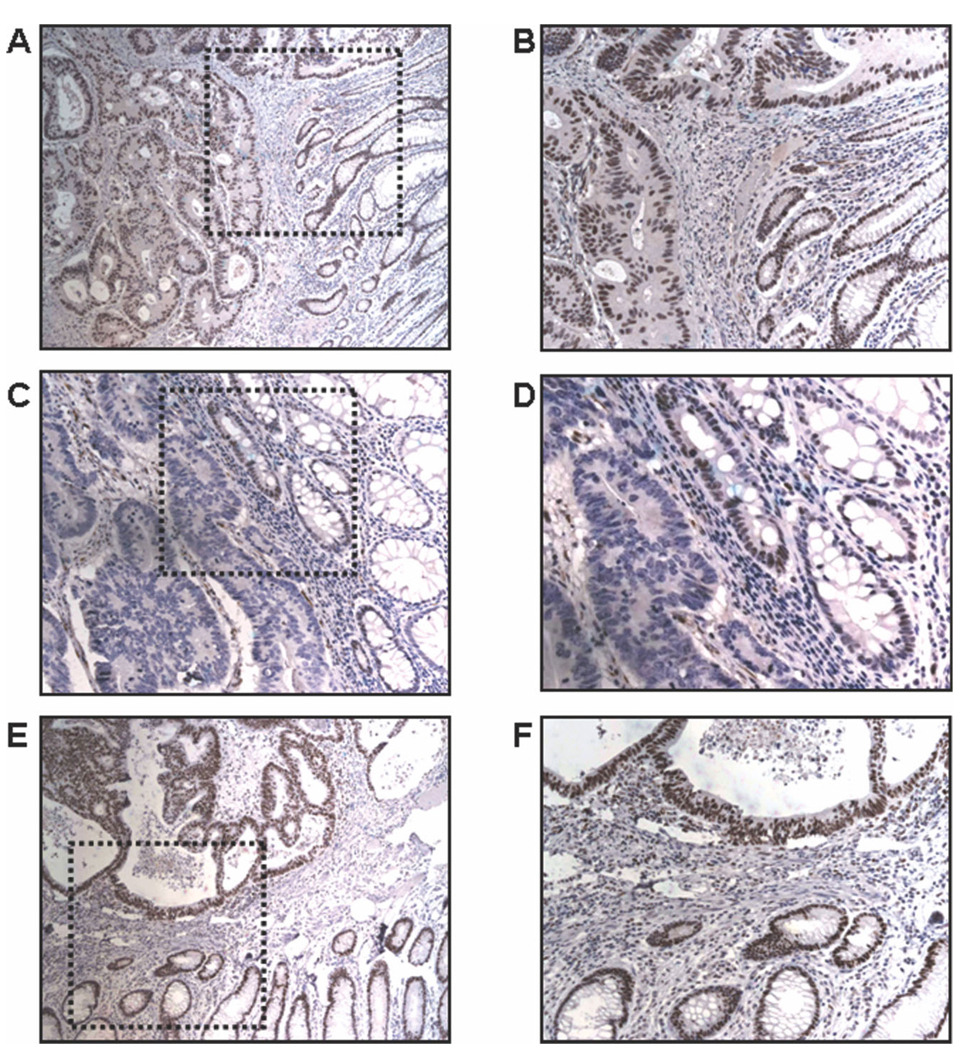
Results: High MSI (MSI-H), MLH1 methylation, and BRAF mutations were observed in 11.6%, 9.4%, and 23.5% of Jews, respectively, and in 16.2%, 17.6%, and 20.9% of Arabs, respectively (P value nonsignificant). MLH1 promoter methylation was observed in 22.6% of microsatellite-stable (MSS) tumors and in 53.8% of MSI-H tumors (P < .015). Extensive methylation (covering both 5' and 3' promoter regions) was present in all MSI-H tumors with loss of MLH1 expression. BRAF mutation was observed in 15.6% and 46.1% of MSS tumors and MSI-H tumors, respectively (P < .007). BRAF mutation was observed in 66%, 22.2%, and 14.7% of patients who had tumors with extensive MLH1 promoter methylation, methylation of the 5' region alone, or without methylation, respectively (P < .006).
Conclusions: There was no difference in molecular signatures examined between Jewish and Arab patients with CRC in Israel. Extensive promoter methylation was associated with MLH1 inactivation, MSI, and BRAF mutation.
(c) 2009 American Cancer Society.
Conflict of interest statement
The authors made no disclosures.
Figures
References
-
- Barchana M, Liphshitz I, Rozen P. Trends in colorectal cancer incidence and mortality in the Israeli Jewish ethnic populations. Fam Cancer. 2004;3:207–214. - PubMed
-
- Fireman Z, Sandler E, Kopelman Y, Segal A, Sternberg A. Ethnic differences in colorectal cancer among Arab and Jewish neighbors in Israel. Am J Gastroenterol. 2001;96:204–207. - PubMed
-
- Laken SJ, Petersen GM, Gruber SB, et al. Familial colorectal cancer in Ashkenazim due to a hypermutable tract in APC. Nat Genet. 1997;17:79–83. - PubMed
-
- Aaltonen LA, Peltomaki P, Leach FS, et al. Clues to the pathogenesis of familial colorectal cancer. Science. 1993;260:812–816. - PubMed
MeSH terms
Substances
Grants and funding
LinkOut - more resources
Full Text Sources
Other Literature Sources
Medical
Research Materials
Miscellaneous
