


A phase I/II study of a MUC1 peptide pulsed autologous dendritic cell vaccine as adjuvant therapy in patients with resected pancreatic and biliary tumors
- PMID: 19129927
- PMCID: PMC2614325
A phase I/II study of a MUC1 peptide pulsed autologous dendritic cell vaccine as adjuvant therapy in patients with resected pancreatic and biliary tumors
Abstract
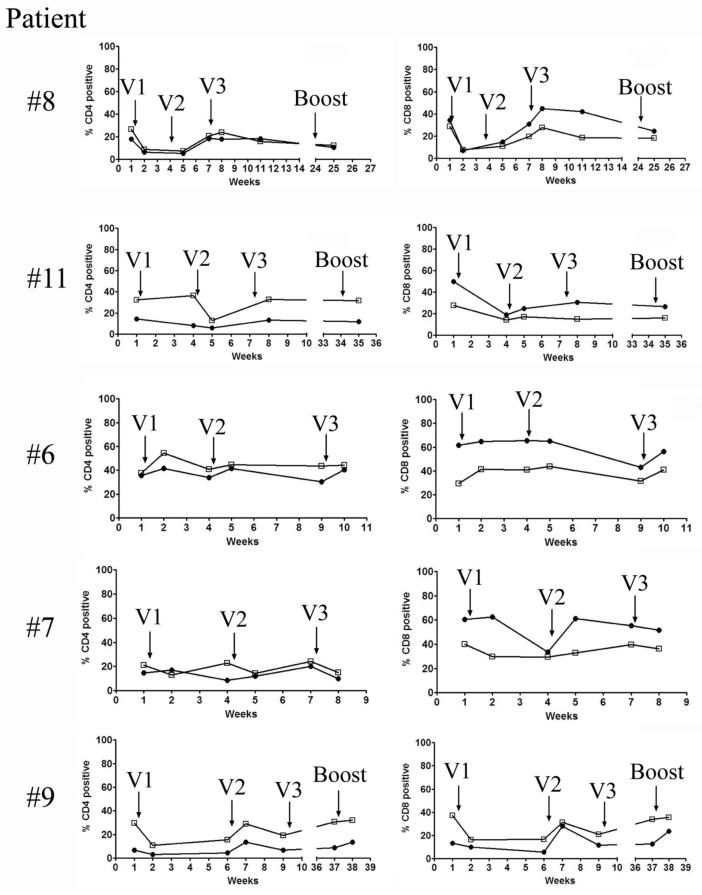
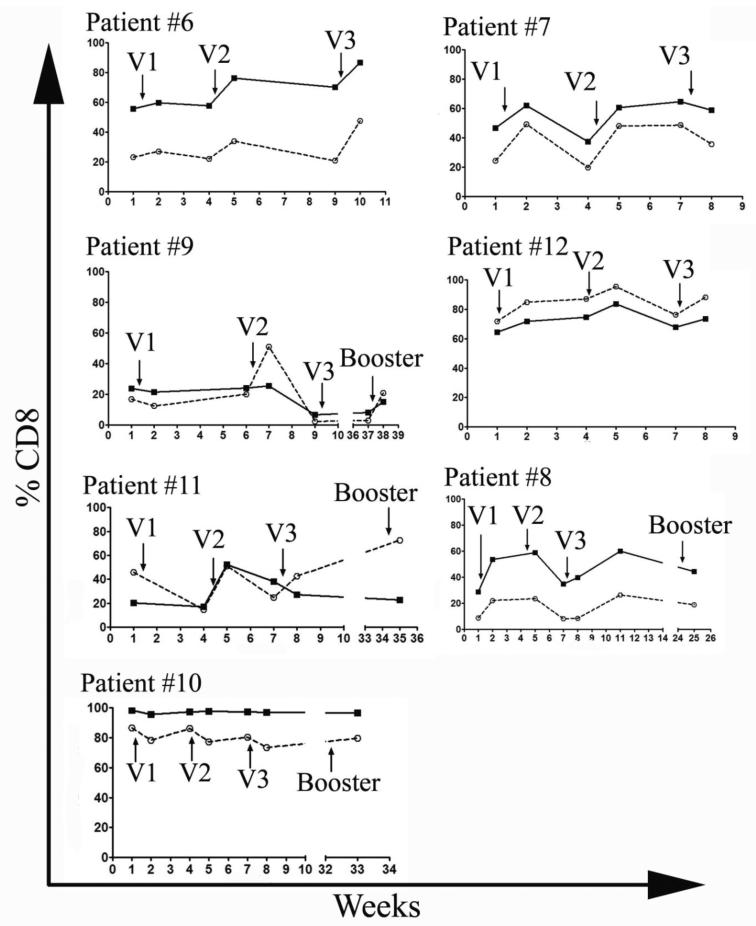
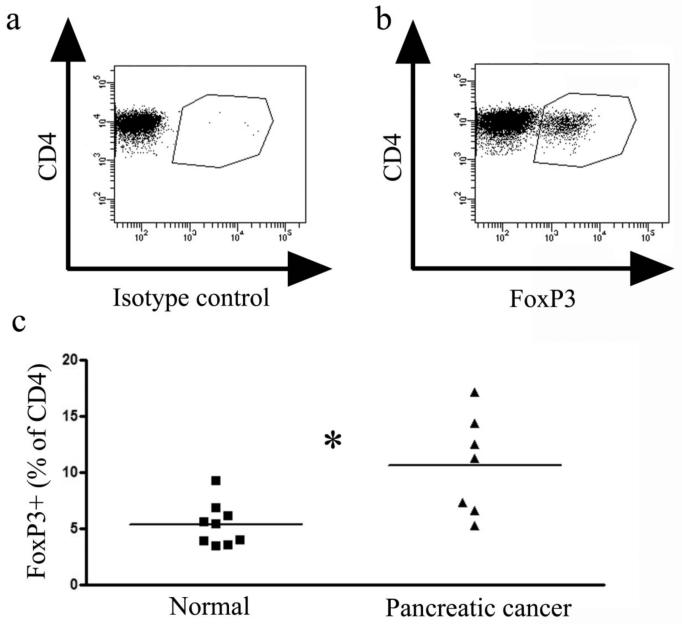
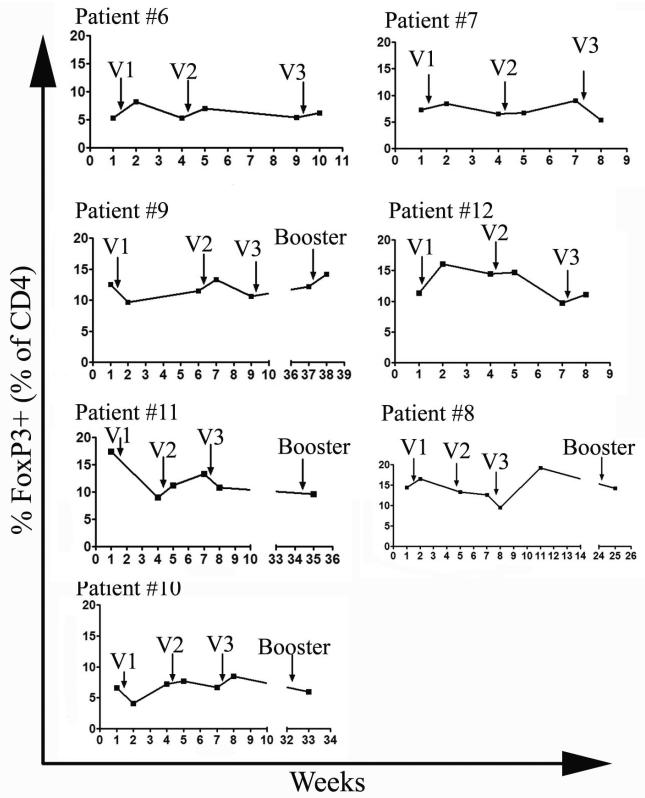
Pancreatic and biliary cancers are relatively resistant to chemotherapy and radiation and may therefore provide an opportunity for testing the potential of immunotherapy. MUC1 is an epithelial cell glycoprotein that is highly overexpressed and aberrantly glycosylated in many adenocarcinomas, including pancreatic tumors, providing a tumor specific antigen and target. We performed a Phase I/II clinical trial of a MUC1 peptide-loaded DC vaccine in 12 pancreatic and biliary cancer patients following resection of their primary tumors. The primary endpoints were vaccine toxicity and immunogenicity and the secondary endpoint was clinical outcome. The vaccine was well tolerated and no toxicity was observed. Three patients had pre-existing MUC1 antibody responses that remained stable post vaccination. MUC1-specific T cell responses were difficult to evaluate due to increases in activity of all CD8 and CD4 T cells following each vaccination. Prior to vaccination, patients entered onto this trial had a significantly higher percentage of FoxP3+CD4+ T cells compared to age matched healthy controls. The percentage of these cells also increased transiently following each injection, returning to baseline or below before the next injection. Vaccinated patients have been followed for over four years and four of the twelve patients are alive, all without evidence of recurrence. Study of the immune parameters in long-term survivors several years after vaccination may yield the sought after immune correlates of clinical responses that analysis of immune responses shortly after vaccination has not revealed.
Figures
References
-
- Benson AB., 3rd Adjuvant therapy for pancreatic cancer: one small step forward. JAMA. 2007;297:311–313. - PubMed
-
- Berntsen A, Geertsen PF, Svane IM. Therapeutic dendritic cell vaccination of patients with renal cell carcinoma. Eur Urol. 2006;50:34–43. - PubMed
-
- Emens LA. Roadmap to a better therapeutic tumor vaccine. Int Rev Immunol. 2006;25:415–443. - PubMed
-
- Finn OJ. Cancer vaccines: between the idea and the reality. Nat Rev Immunol. 2003;3:630–641. - PubMed
Grants and funding
LinkOut - more resources
Full Text Sources
Other Literature Sources
Research Materials
Miscellaneous