Genomic survey of the non-cultivatable opportunistic human pathogen, Enterocytozoon bieneusi
- PMID: 19132089
- PMCID: PMC2607024
- DOI: 10.1371/journal.ppat.1000261
Genomic survey of the non-cultivatable opportunistic human pathogen, Enterocytozoon bieneusi
Abstract
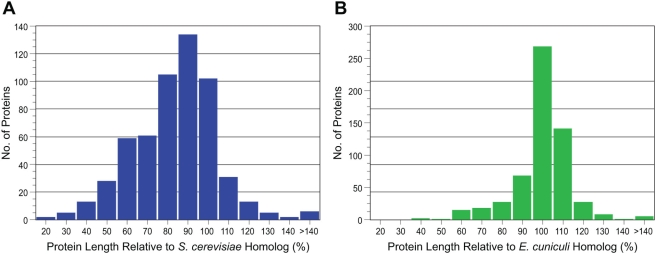
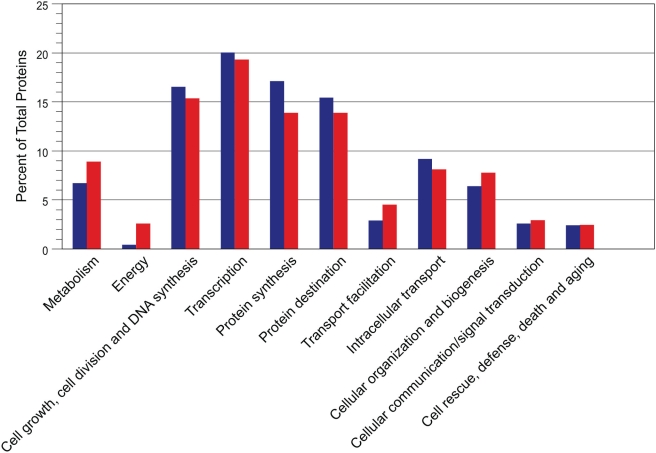
Enterocytozoon bieneusi is the most common microsporidian associated with human disease, particularly in the immunocompromised population. In the setting of HIV infection, it is associated with diarrhea and wasting syndrome. Like all microsporidia, E. bieneusi is an obligate, intracellular parasite, but unlike others, it is in direct contact with the host cell cytoplasm. Studies of E. bieneusi have been greatly limited due to the absence of genomic data and lack of a robust cultivation system. Here, we present the first large-scale genomic dataset for E. bieneusi. Approximately 3.86 Mb of unique sequence was generated by paired end Sanger sequencing, representing about 64% of the estimated 6 Mb genome. A total of 3,804 genes were identified in E. bieneusi, of which 1,702 encode proteins with assigned functions. Of these, 653 are homologs of Encephalitozoon cuniculi proteins. Only one E. bieneusi protein with assigned function had no E. cuniculi homolog. The shared proteins were, in general, evenly distributed among the functional categories, with the exception of a dearth of genes encoding proteins associated with pathways for fatty acid and core carbon metabolism. Short intergenic regions, high gene density, and shortened protein-coding sequences were observed in the E. bieneusi genome, all traits consistent with genomic compaction. Our findings suggest that E. bieneusi is a likely model for extreme genome reduction and host dependence.
Conflict of interest statement
The authors have declared that no competing interests exist.
Figures
References
-
- Curgy JJ, Vavra J, Vivarés C. Presence of ribosomal RNAs with prokaryotic properties in Microsporidia, eukaryotic organisms. Biol Cell. 1980;38:49–52.
-
- Ishihara R, Hayashi Y. Some properties of ribosomes from the sporoplasm of Nosema bombycis. J Invertebr Pathol. 1968;11:375–385.
-
- Vossbrinck CR, Woese CR. Eukaryotic ribosomes that lack a 5.8S RNA. Nature. 1986;320:287–288. - PubMed
Publication types
MeSH terms
Substances
Grants and funding
LinkOut - more resources
Full Text Sources
Other Literature Sources
Molecular Biology Databases
Miscellaneous