


The characterization of high-fat diet and multiple low-dose streptozotocin induced type 2 diabetes rat model
- PMID: 19132099
- PMCID: PMC2613511
- DOI: 10.1155/2008/704045
The characterization of high-fat diet and multiple low-dose streptozotocin induced type 2 diabetes rat model
Abstract
Aim: Based on the previously established method, we developed a better and stable animal model of type 2 diabetes mellitus by high-fat diet combined with multiple low-dose STZ injections. Meanwhile, this new model was used to evaluate the antidiabetic effect of berberine.
Method: Wistar male rats fed with regular chow for 4 weeks received vehicle (control groups), rats fed with high-fat diet for 4 weeks received different amounts of STZ once or twice by intraperitoneal injection (diabetic model groups), and diabetic rats were treated with berberine (100 mg/kg, berberine treatment group). Intraperitoneal glucose tolerance test and insulin tolerance test were carried out. Moreover, fasting blood glucose, fasting insulin, total cholesterol, and triglyceride were measured to evaluate the dynamic blood sugar and lipid metabolism.
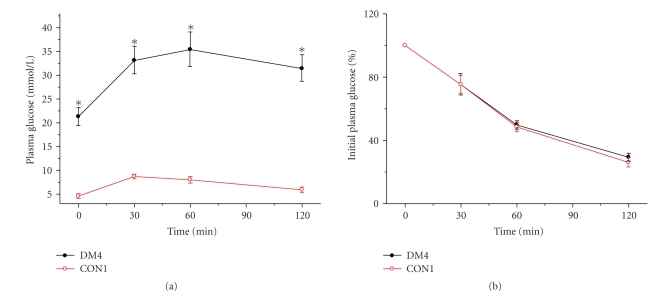
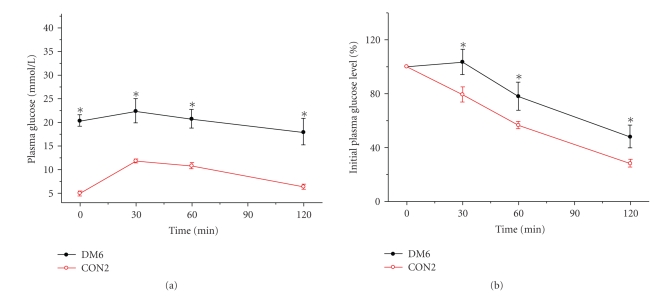
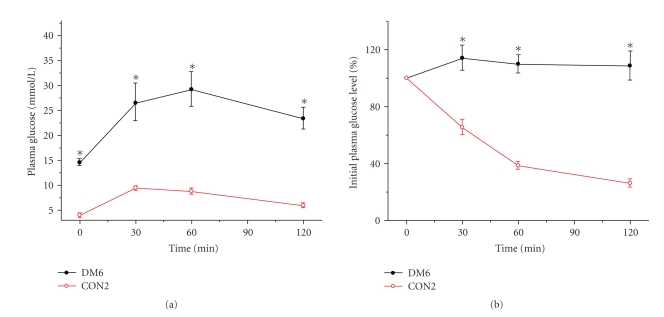
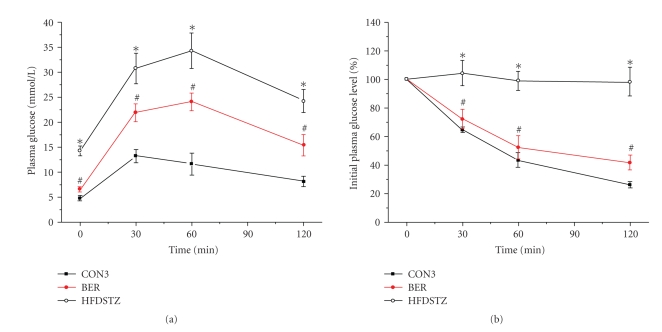
Result: The highest successful rate (100%) was observed in rats treated with a single injection of 45 mg/kg STZ, but the plasma insulin level of this particular group was significantly decreased, and ISI has no difference compared to control group. The successful rate of 30 mg/kg STZ twice injection group was significantly high (85%) and the rats in this group presented a typical characteristic of T2DM as insulin resistance, hyperglycemia, and blood lipid disorder. All these symptoms observed in the 30 mg/kg STZ twice injection group were recovered by the treatment of berberine.
Conclusion: Together, these results indicated that high-fat diet combined with multiple low doses of STZ (30 mg/kg at weekly intervals for 2 weeks) proved to be a better way for developing a stable animal model of type 2 diabetes, and this new model may be suitable for pharmaceutical screening.
Figures
References
-
- Reed MJ, Meszaros K, Entes LJ, et al. A new rat model of type 2 diabetes: the fat-fed, streptozotocin-treated rat. Metabolism. 2000;49(11):1390–1394. - PubMed
-
- Srinivasan K, Viswanad B, Asrat L, Kaul CL, Ramarao P. Combination of high-fat diet-fed and low-dose streptozotocin-treated rat: a model for type 2 diabetes and pharmacological screening. Pharmacological Research. 2005;52(4):313–320. - PubMed
-
- Franconi F, Seghieri G, Canu S, Straface E, Campesi I, Malorni W. Are the available experimental models of type 2 diabetes appropriate for a gender perspective? Pharmacological Research. 2008;57(1):6–18. - PubMed
-
- Sahin K, Onderci M, Tuzcu M, et al. Effect of chromium on carbohydrate and lipid metabolism in a rat model of type 2 diabetes mellitus: the fat-fed, streptozotocin-treated rat. Metabolism. 2007;56(9):1233–1240. - PubMed
-
- Zhao S, Chu Y, Zhang C, et al. Diet-induced central obesity and insulin resistance in rabbits. Journal of Animal Physiology and Animal Nutrition. 2008;92(1):105–111. - PubMed
Publication types
MeSH terms
Substances
LinkOut - more resources
Full Text Sources
Medical