


Pain-related effects of trait anger expression: neural substrates and the role of endogenous opioid mechanisms
- PMID: 19146872
- PMCID: PMC2756489
- DOI: 10.1016/j.neubiorev.2008.12.003
Pain-related effects of trait anger expression: neural substrates and the role of endogenous opioid mechanisms
Abstract
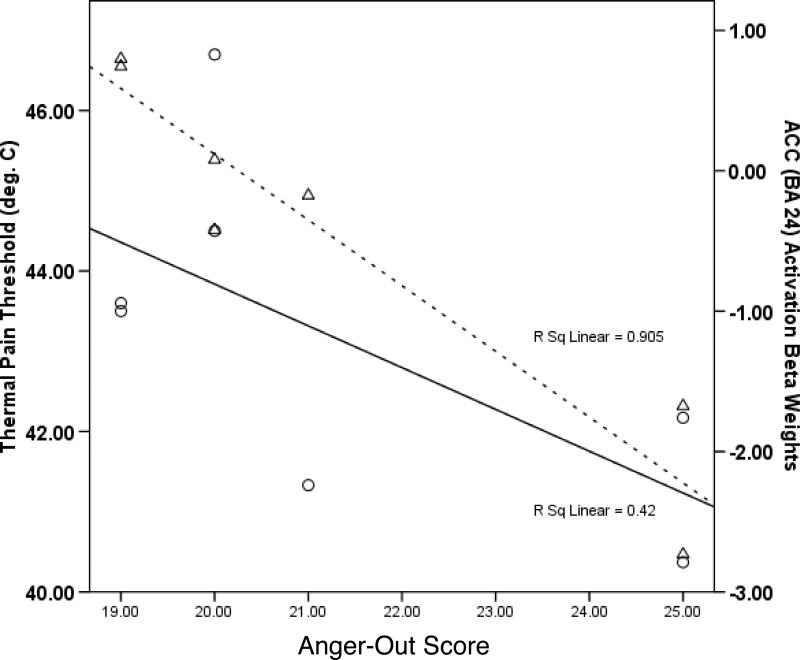
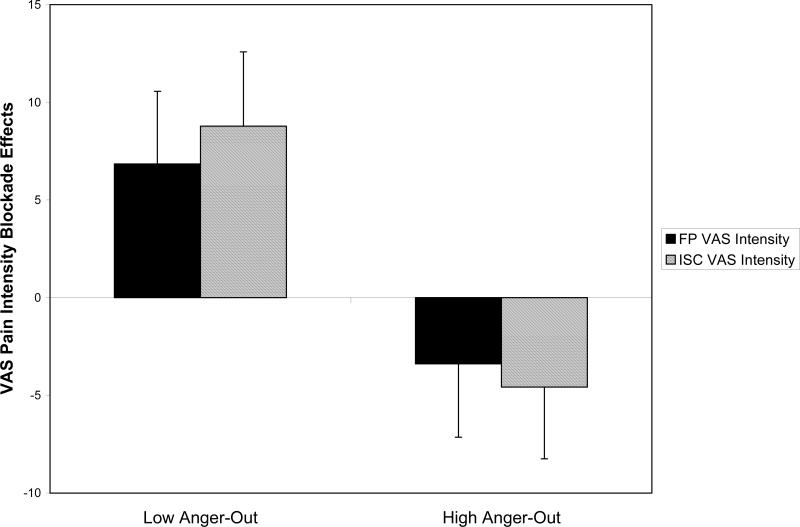
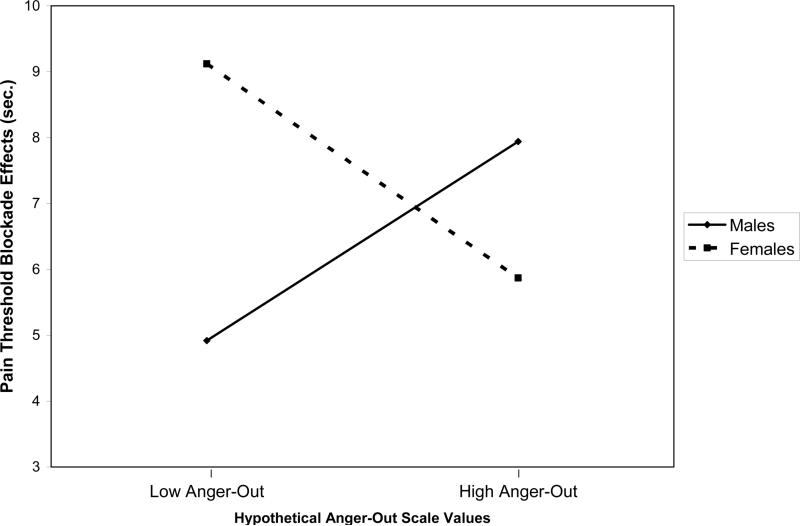
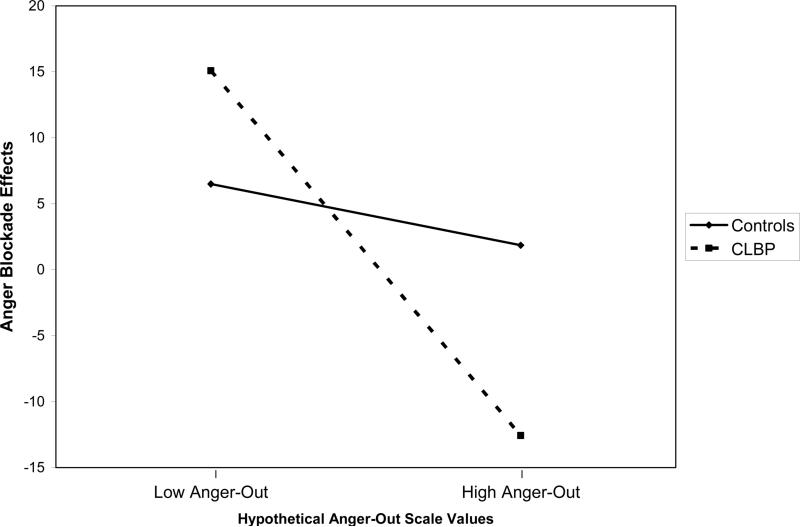
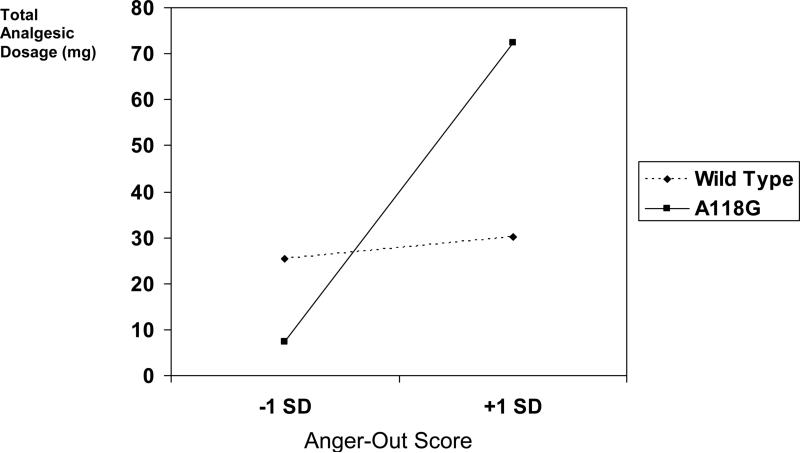
Literature is reviewed indicating that greater tendency to manage anger via direct verbal or physical expression (trait anger-out) is associated with increased acute and chronic pain responsiveness. Neuroimaging data are overviewed supporting overlapping neural circuits underlying regulation of both pain and anger, consisting of brain regions including the rostral anterior cingulate cortex, orbitofrontal cortex, anterior insula, amygdala, and periaqueductal gray. These circuits provide a potential neural basis for observed positive associations between anger-out and pain responsiveness. The role of endogenous opioids in modulating activity in these interlinked brain regions is explored, and implications for understanding pain-related effects of anger-out are described. An opioid dysfunction hypothesis is presented in which inadequate endogenous opioid inhibitory activity in these brain regions contributes to links between trait anger-out and pain. A series of studies is presented that supports the opioid dysfunction hypothesis, further suggesting that gender and genetic factors may moderate these effects. Finally, possible implications of interactions between trait anger-out and state behavioral anger expression on endogenous opioid analgesic activity are described.
Figures

References
-
- Adler LJ, Gyulai FE, Diehl DJ, Mintun MA, Winter PM, Firestone LL. Regional brain activity changes associated with fentanyl analgesia elucidated by positron emission tomography. Anesth. Analg. 1997;84:120–126. - PubMed
-
- Adolphs R, Russell JA, Tranel D. A role for the human amygdala in recognizing emotional arousal from unpleasant stimuli. Psychol. Sci. 1999;10:167–171.
-
- Aubrun F, Salvi N, Coriat P, Riou B. Sex- and age-related differences in morphine requirements for postoperative pain relief. Anesthesiology. 2005;103:156–160. - PubMed
-
- Averill JR. Studies on anger and aggression: implications for theories of emotion. Am. Psychol. 1983;38:1145–1160. - PubMed
-
- Ax AF. Individual differences in autonomic learning: a quarter century of reflection. Int. J. Psychophys. 1990;10:1–9. - PubMed
Publication types
MeSH terms
Substances
Grants and funding
- P30 HD015052/HD/NICHD NIH HHS/United States
- R01-NS046694/NS/NINDS NIH HHS/United States
- R01 NS050578/NS/NINDS NIH HHS/United States
- RR-00095/RR/NCRR NIH HHS/United States
- R01 NS046694/NS/NINDS NIH HHS/United States
- R01 MH071260/MH/NIMH NIH HHS/United States
- M01 RR000095/RR/NCRR NIH HHS/United States
- R01-NS050578/NS/NINDS NIH HHS/United States
- R01 NS038145/NS/NINDS NIH HHS/United States
- P30 HD15052/HD/NICHD NIH HHS/United States
- R01-MH071260/MH/NIMH NIH HHS/United States
- R01-NS038145/NS/NINDS NIH HHS/United States
LinkOut - more resources
Full Text Sources
Medical
