


Molecular mechanism of apolipoprotein E binding to lipoprotein particles
- PMID: 19209940
- PMCID: PMC2765560
- DOI: 10.1021/bi9000694
Molecular mechanism of apolipoprotein E binding to lipoprotein particles
Abstract
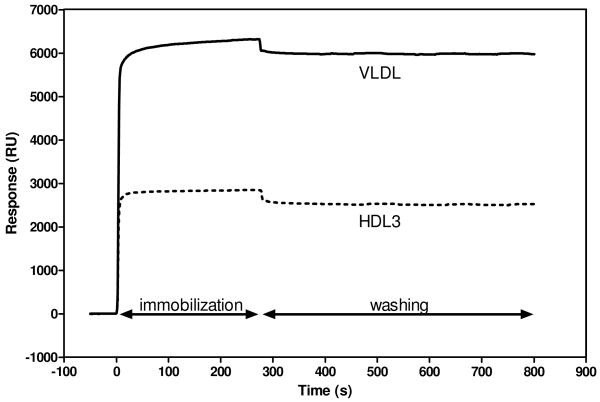
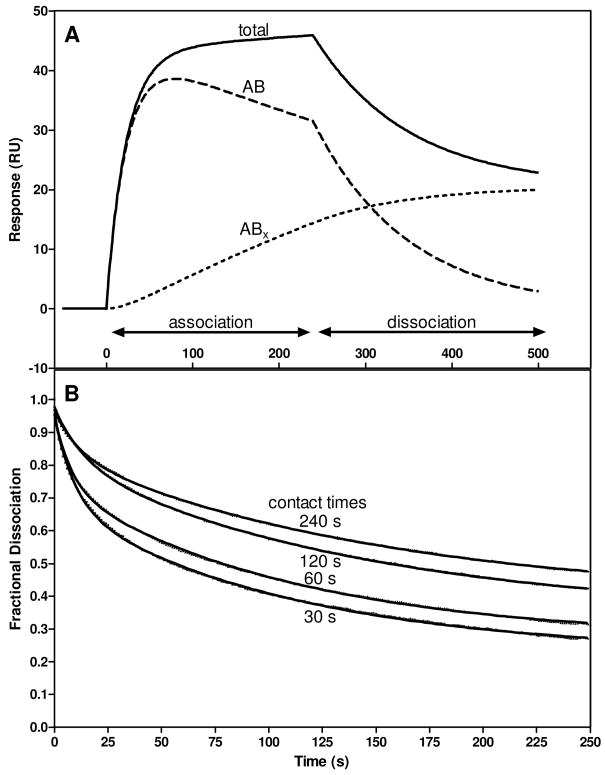
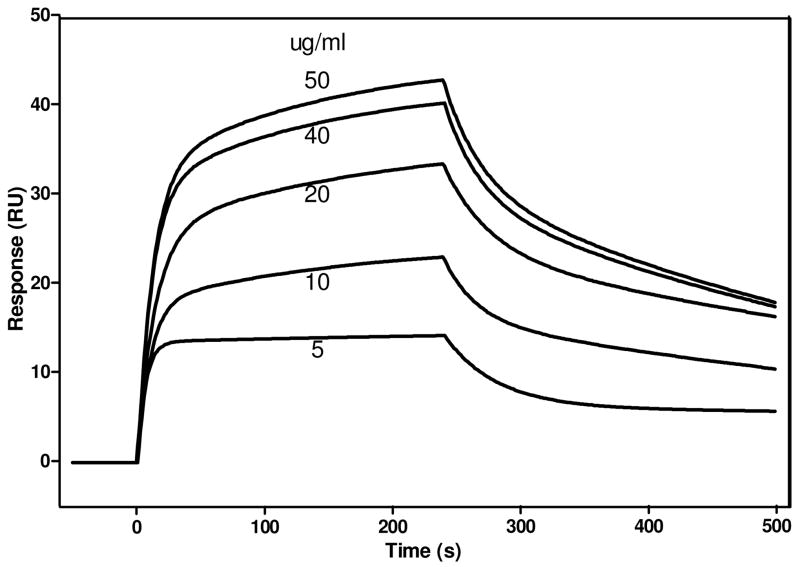
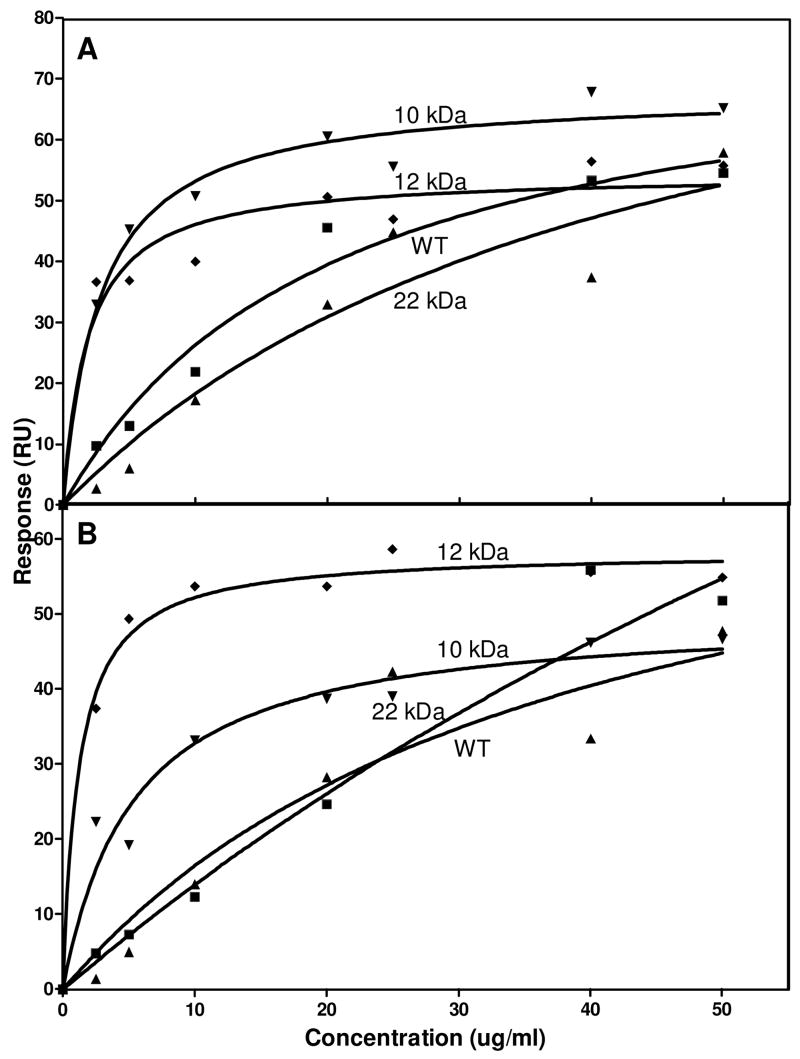
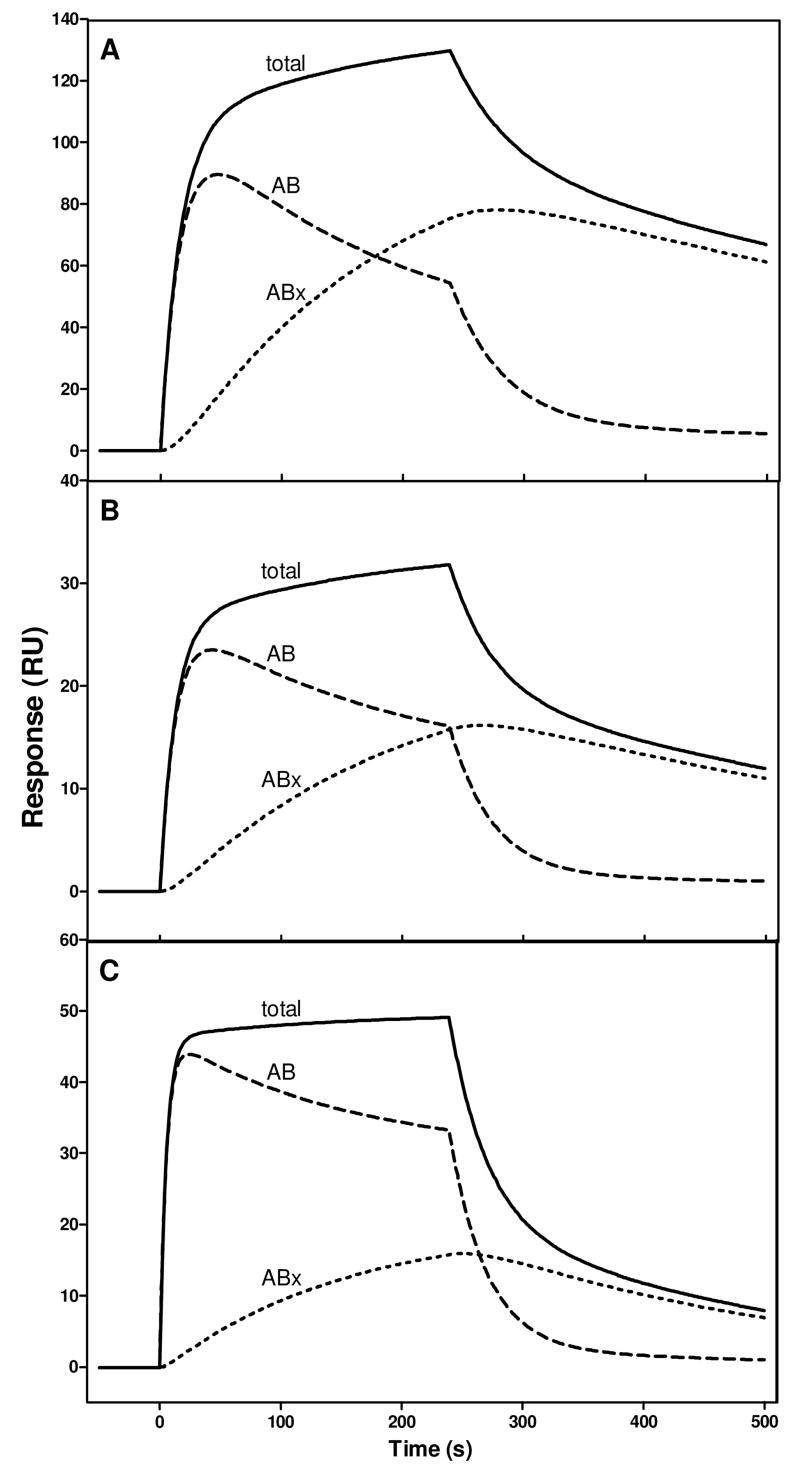
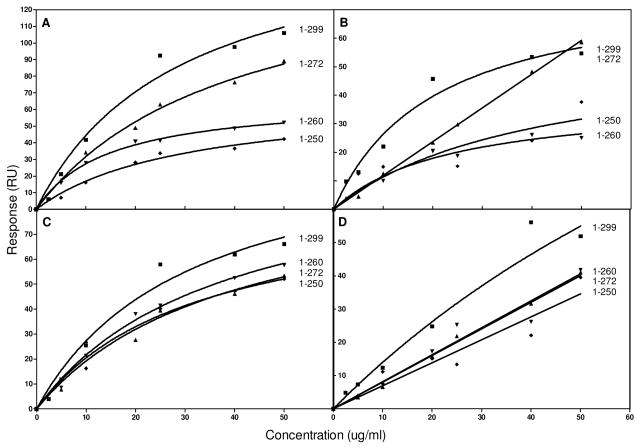
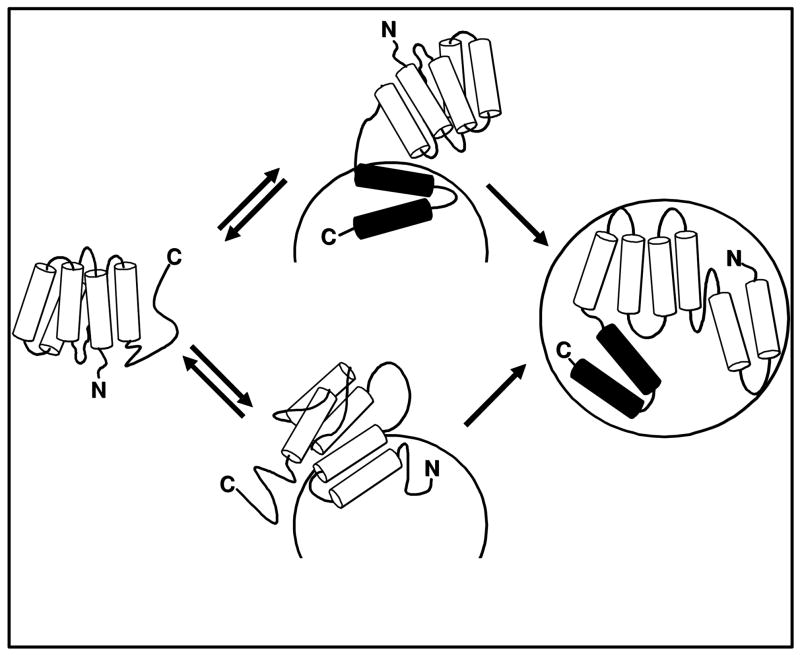
The exchangeability of apolipoprotein (apo) E between lipoprotein particles such as very low-density lipoprotein (VLDL) and high-density lipoprotein (HDL) is critical for lipoprotein metabolism, but despite its importance, the kinetics and mechanism of apoE-lipoprotein interaction are not known. We have used surface plasmon resonance (SPR) to monitor in real time the reversible binding of apoE to human VLDL and HDL(3); biotinylated lipoproteins were immobilized on a streptavidin-coated SPR sensor chip, and solutions containing various human apoE molecules at different concentrations were passed across the surface. Analysis of the resultant sensorgrams indicated that the apoE3-lipoprotein interaction is a two-step process. After an initial interaction, the second slower step involves opening of the N-terminal helix bundle domain of the apoE molecule. Destabilization of this domain leads to more rapid interfacial rearrangement which is seen when the lipoprotein binding of apoE4 is compared to that of apoE3. The resultant differences in interfacial packing seem to underlie the differing abilities of apoE4 and apoE3 to bind to VLDL and HDL(3). The measured dissociation constants for apoE binding to these lipoprotein particles are in the micromolar range. C-Terminal truncations of apoE to remove the lipid binding region spanning residues 250-299 reduce the level of binding to both types of lipoprotein, but the effect is weaker with HDL(3); this suggests that protein-protein interactions are important for apoE binding to this lipoprotein while apoE-lipid interactions are more significant for VLDL binding. The two-step mechanism of lipoprotein binding exhibited by apoE is likely to apply to other members of the exchangeable apolipoprotein family.
Figures
References
-
- Curtiss LK, Boisvert WA. Apolipoprotein E and atherosclerosis. Curr Opin Lipidol. 2000;11:243–251. - PubMed
-
- Mahley RW, Rall SCJ. Apolipoprotein E: Far more than a lipid transport protein. Annu Rev Genomics Hum Genet. 2000;01:507–537. - PubMed
-
- Weisgraber KH. Apolipoprotein E: structure-function relationships. Adv Protein Chem. 1994;45:249–302. - PubMed
-
- Mahley RW, Ji SZ. Remnant lipoprotein metabolism: key pathways involving cell-surface heparan sulfate proteoglycans and apolipoprotein E. J Lipid Res. 1999;40:1–16. - PubMed
-
- Saito H, Lund-Katz S, Phillips MC. Contributions of domain structure and lipid interaction to the functionality of exchangeable human apolipoproteins. Prog Lipid Res. 2004;43:350–380. - PubMed
Publication types
MeSH terms
Substances
Grants and funding
LinkOut - more resources
Full Text Sources
Miscellaneous
