


Amifostine induces antioxidant enzymatic activities in normal tissues and a transplantable tumor that can affect radiation response
- PMID: 19215822
- PMCID: PMC2668222
- DOI: 10.1016/j.ijrobp.2008.10.061
Amifostine induces antioxidant enzymatic activities in normal tissues and a transplantable tumor that can affect radiation response
Abstract
Purpose: To determine whether amifostine can induce elevated manganese superoxide dismutase (SOD2) in murine tissues and a transplantable SA-NH tumor, resulting in a delayed tumor cell radioprotective effect.
Methods and materials: SA-NH tumor-bearing C3H mice were treated with a single 400 mg/kg or three daily 50 mg/kg doses of amifostine administered intraperitoneally. At selected time intervals after the last injection, the heart, liver, lung, pancreas, small intestine, spleen, and SA-NH tumor were removed and analyzed for SOD2, catalase, and glutathione peroxidase (GPx) enzymatic activity. The effect of elevated SOD2 enzymatic activity on the radiation response of SA-NH cells was determined.
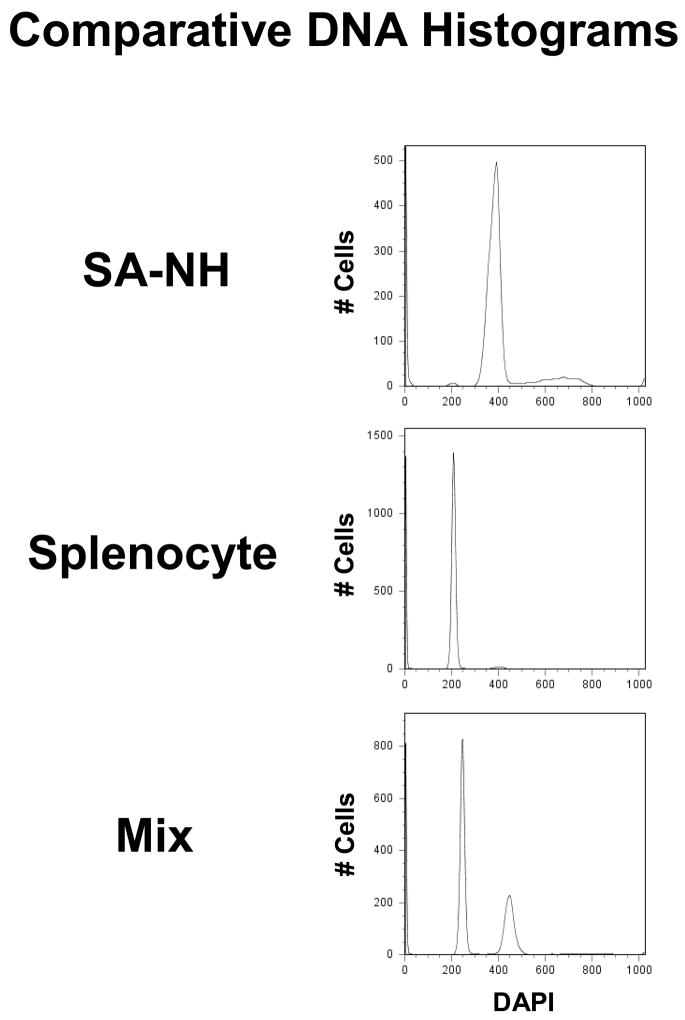
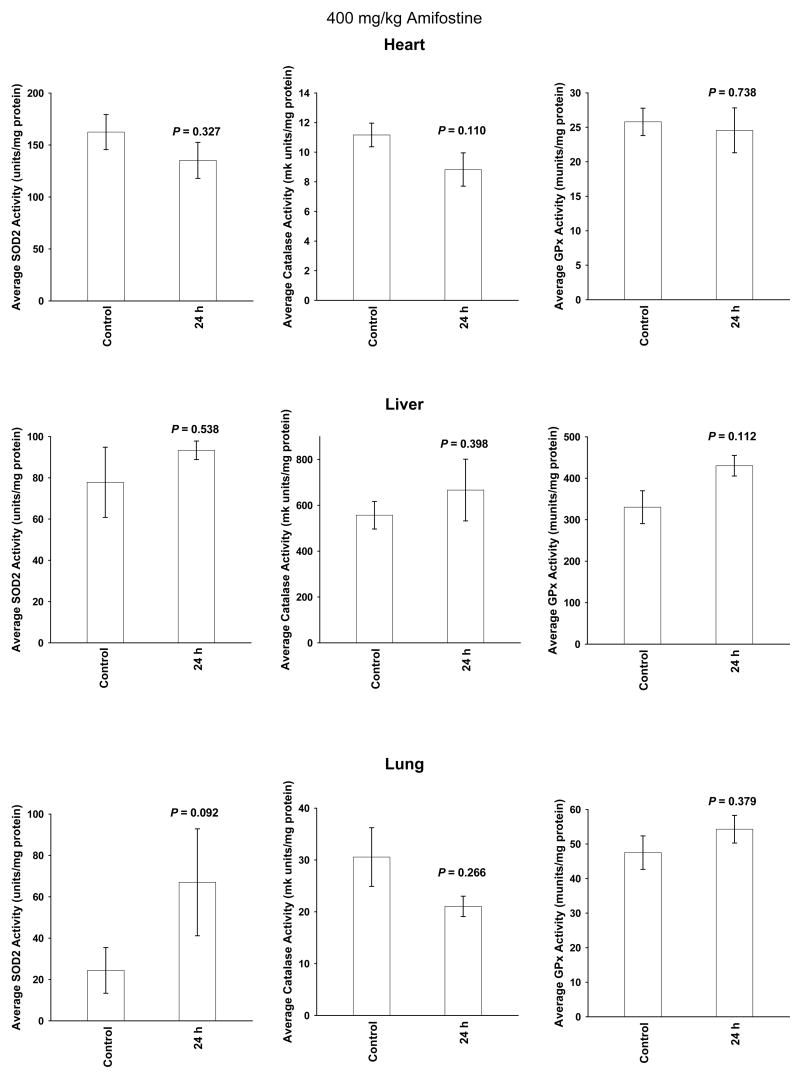
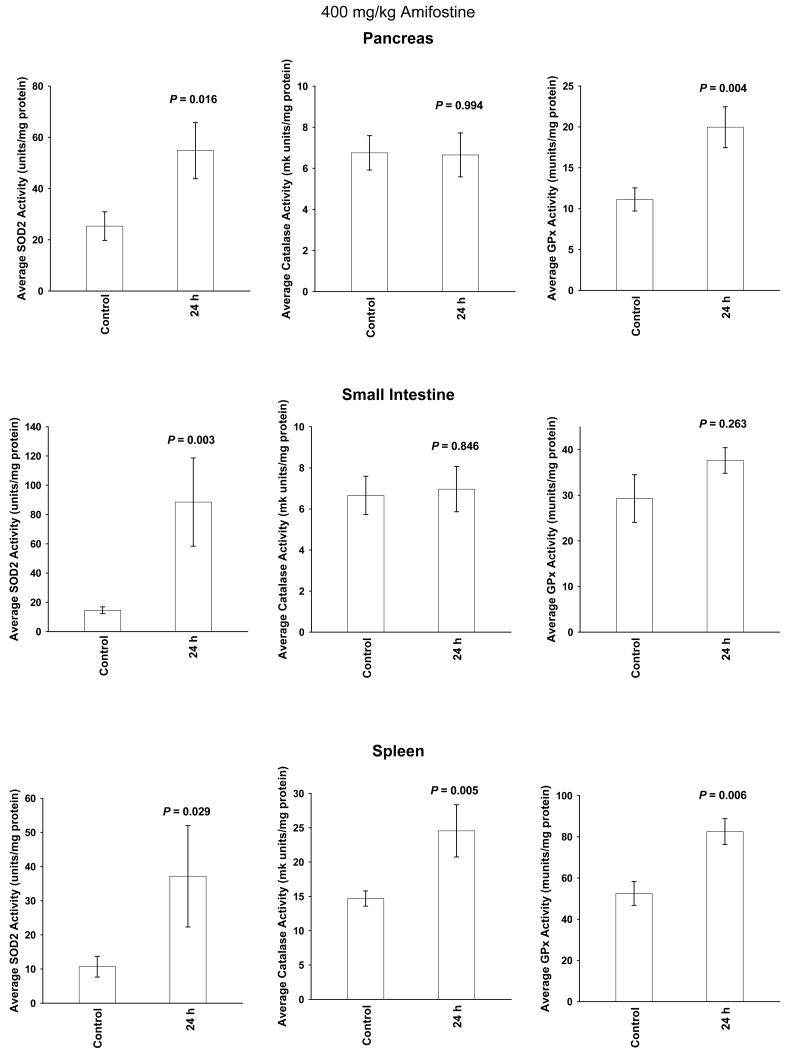
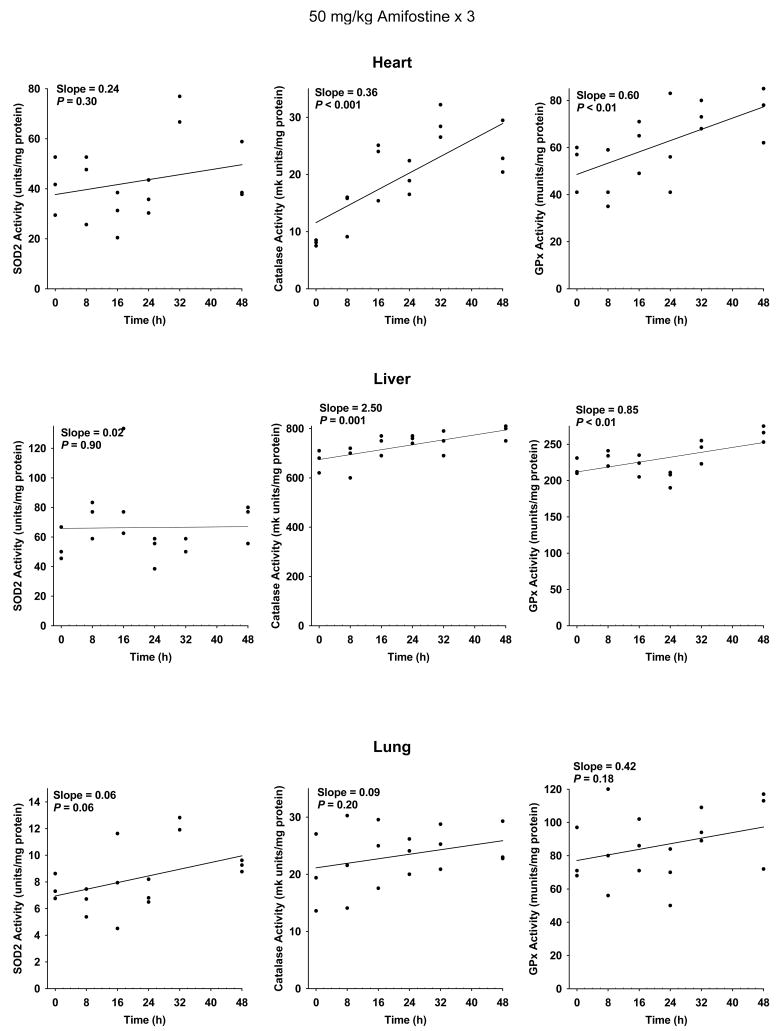
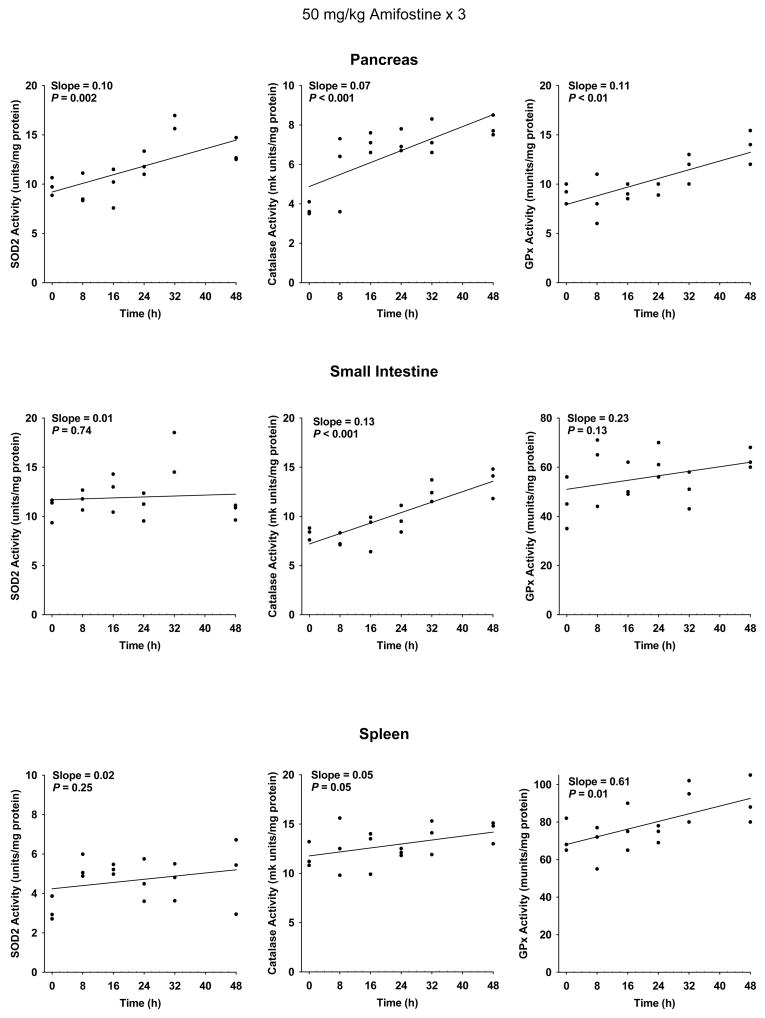
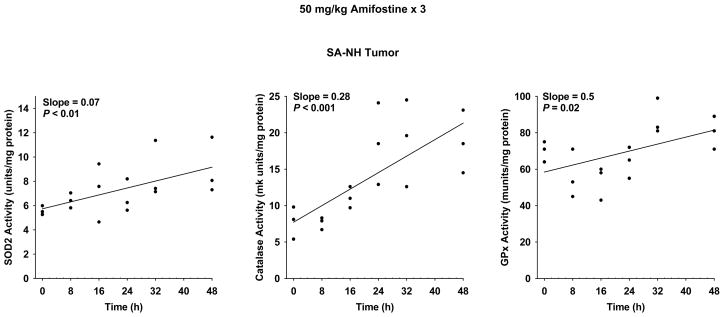
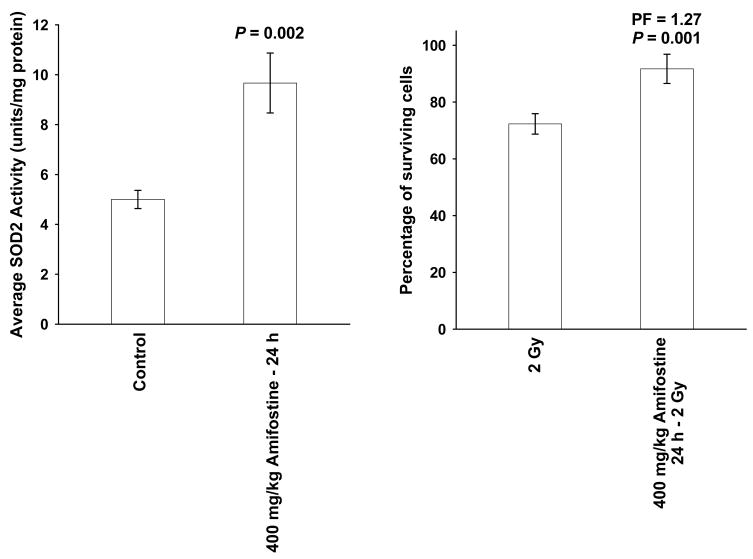
Results: SOD2 activity was significantly elevated in selected tissues and a tumor 24 h after amifostine treatment. Catalase and GPx activities remained unchanged except for significant elevations in the spleen. GPx was also elevated in the pancreas. SA-NH tumor cells exhibited a twofold elevation in SOD2 activity and a 27% elevation in radiation resistance. Amifostine administered in three daily fractions of 50 mg/kg each also resulted in significant elevations of these antioxidant enzymes.
Conclusions: Amifostine can induce a delayed radioprotective effect that correlates with elevated levels of SOD2 activity in SA-NH tumor. If limited to normal tissues, this delayed radioprotective effect offers an additional potential for overall radiation protection. However, amifostine-induced elevation of SOD2 activity in tumors could have an unanticipated deleterious effect on tumor responses to fractionated radiation therapy, given that the radioprotector is administered daily just before each 2-Gy fractionated dose.
Conflict of interest statement
Conflict of Interest Notification
The authors declare no conflicts of interest.
Figures
References
-
- Kouvaris JR, Kouloulias VE, Vlahos LJ. Amifostine: The first selective-target and broad-spectrum radioprotector. The Oncologist. 2007;12:738–747. - PubMed
-
- Smoluk GD, Fahey RC, Calabro-Jones, et al. Radioprotection of cells in culture by WR2721 and derivatives: Form of the drug responsible for protection. Cancer Res. 1988;48:3641–3647. - PubMed
-
- Giambarresi L, Jacobs AJ. Radioprotectants. In: Conklin JJ, Walker RI, editors. Military radiobiology. Orlando, FL: Academic Press; 1987. pp. 265–301.
-
- Das KC, Lewis-Molock Y, White CW. Activation of NF-κb and elevation of MnSOD gene expression by thiol reducing agents in lung adenocarcinoma (A549) cells. Am J Physiol. 1995;269:L588–L602. - PubMed
-
- Antras-Ferry J, Maheo K, Chevanne M, et al. Oltipraz stimulates the transcription of the manganese superoxide dismutase gene in rat hepatocytes. Carcinogenesis. 1997;18:2113–2117. - PubMed
Publication types
MeSH terms
Substances
Grants and funding
LinkOut - more resources
Full Text Sources
