. 2009 Apr;22(4):708-16.
doi: 10.1021/tx800465m.

Protein modification by acrolein: formation and stability of cysteine adducts

Affiliations

Protein modification by acrolein: formation and stability of cysteine adducts

Jian Cai et al. Chem Res Toxicol. 2009 Apr.

Abstract

The toxicity of the ubiquitous pollutant and endogenous metabolite, acrolein, is due in part to covalent protein modifications. Acrolein reacts readily with protein nucleophiles via Michael addition and Schiff base formation. Potential acrolein targets in protein include the nucleophilic side chains of cysteine, histidine, and lysine residues as well as the free amino terminus of proteins. Although cysteine is the most acrolein-reactive residue, cysteine-acrolein adducts are difficult to identify in vitro and in vivo. In this study, model peptides with cysteine, lysine, and histidine residues were used to examine the reactivity of acrolein. Results from these experiments show that acrolein reacts rapidly with cysteine residues through Michael addition to form M+56 Da adducts. These M+56 adducts are, however, not stable, even though spontaneous dissociation of the adduct is slow. Further studies demonstrated that when acrolein and model peptides are incubated at physiological pH and temperature, the M+56 adducts decreased gradually accompanied by the increase of M+38 adducts, which are formed from intramolecular Schiff base formation. Adduct formation with the side chains of other amino acid residues (lysine and histidine) was much slower than cysteine and required higher acrolein concentration. When cysteine residues were blocked by reaction with iodoacetamide and higher concentrations of acrolein were used, adducts of the N-terminal amino group or histidyl residues were formed, but lysine adducts were not detected. Collectively, these data demonstrate that acrolein reacts avidly with protein cysteine residues and that the apparent loss of protein-acrolein Michael adducts over time may be related to the appearance of a novel (M+38) adduct. These findings may be important in identification of in vivo adducts of acrolein with protein cysteine residues.


Figures
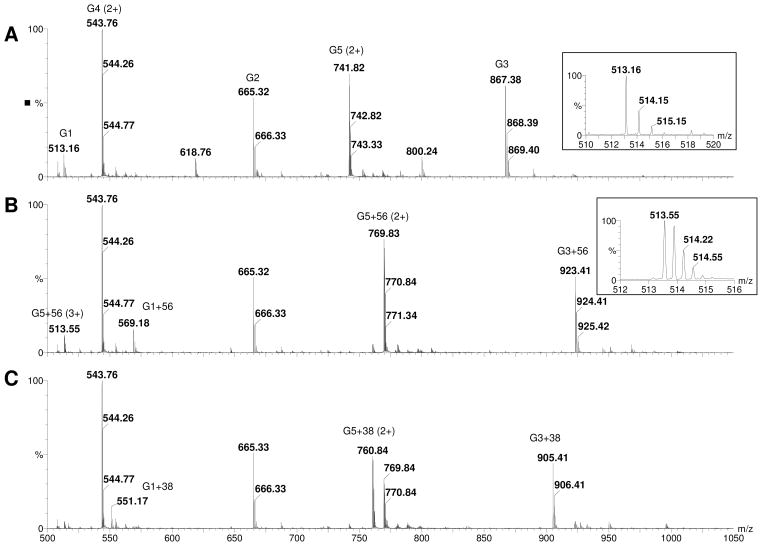
Figure 1
Figure 1. ESI/MS spectra of Glu-C digested insulin before and after incubation with acrolein
A: before incubation with acrolein, B: incubated with acrolein for 1 minute, and C: incubated with acrolein for 120 minutes. The m/z 513.55 peak in Panel B is the triple charged G5+56 peak not the single charged G1 peak (m/z 515.16) as shown in the insects of the respective panels. Peaks with multiple charges are marked in parentheses and the sequences of the peptides are shown in Table 1.
Figure 2
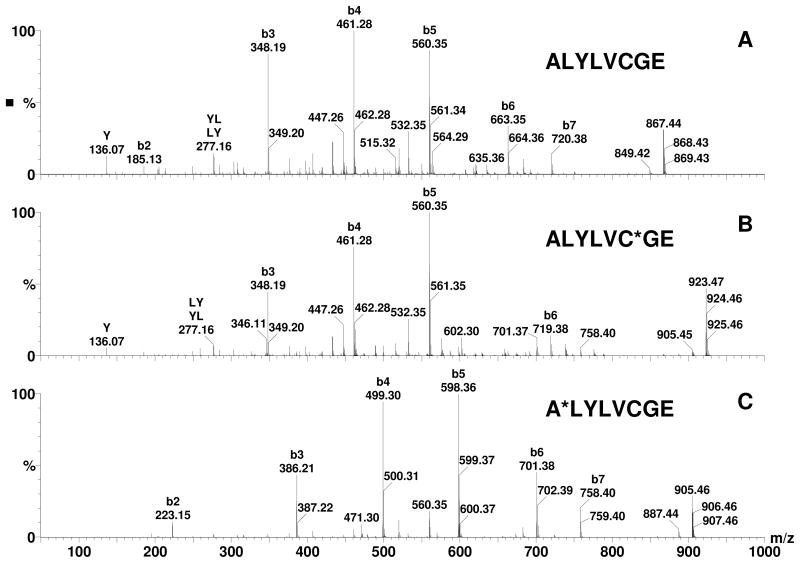
Figure 2. MS/MS spectra of G3 before and after alkylation by acrolein
A: G3, B: G3+56, and C: G3+38. Apparent modified residues are marked with ‘*’ on the upper right corner of the residue.
Figure 3
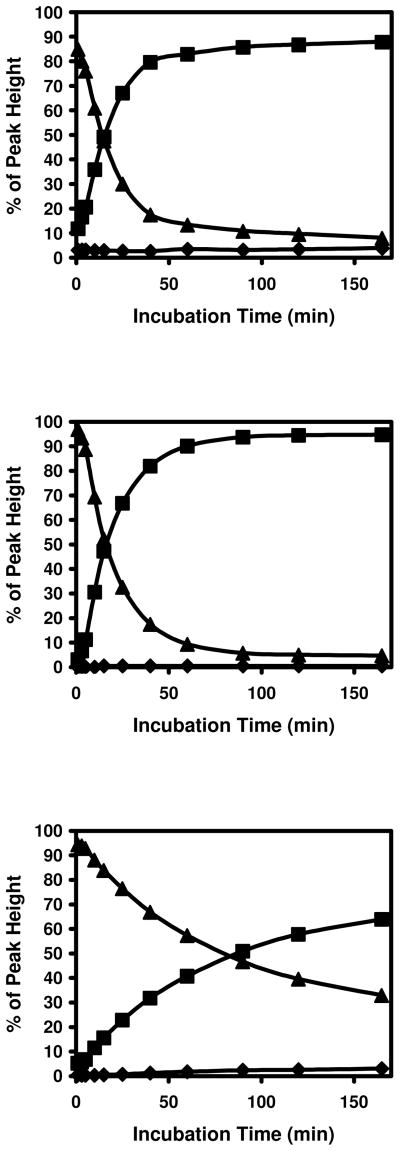
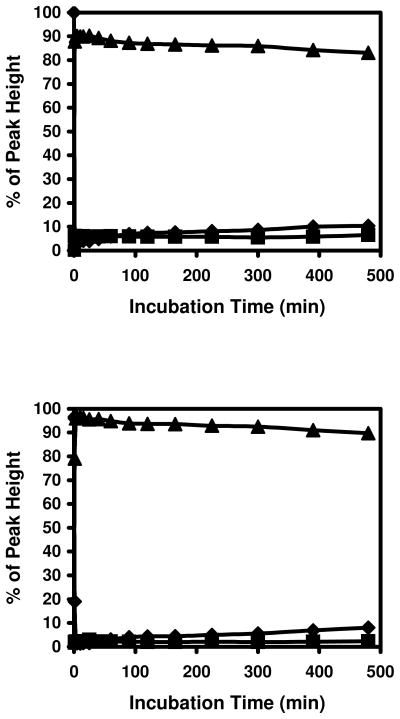
Figure 3. Modification of cysteine containing insulin peptides by acrolein
Top panel: G1, middle panel: G3, and bottom panel: G5. ◆: unmodified peptides, ▲: modified peptides with +56 Da shift, and ■: modified peptides with +38 Da shift.
Figure 4
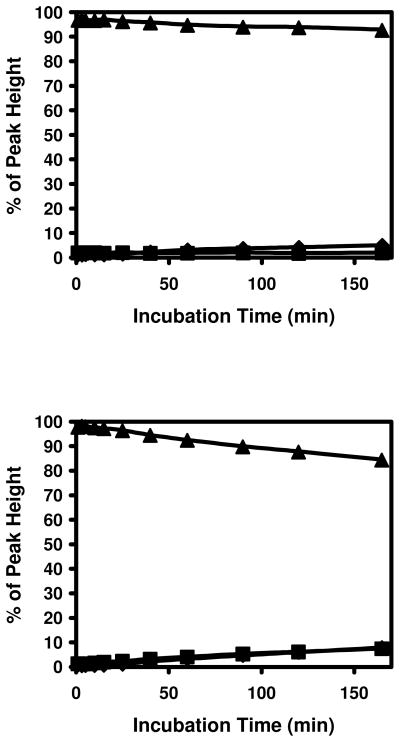
Figure 4. Modification of cysteine containing insulin peptides by acrolein after blocking amino groups with SFB
Top panel: G3 and bottom panel: G5. ◆: unmodified peptides, ▲: modified peptides with +56 Da shift, and ■: modified peptides with +38 Da shift.
Figure 5
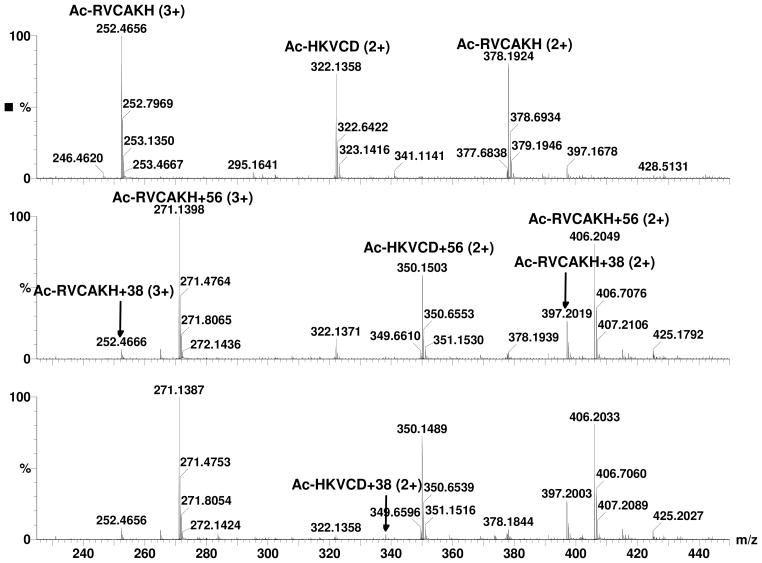
Figure 5. ESI/MS spectra of N-acetyl peptides before and after incubation with acrolein
Top Panel: before incubation with acrolein, Middle Panel: incubated with acrolein for 1 minute, and Bottom Panel: incubated with acrolein for 120 minutes. Charge status of the peaks are marked in parentheses.
Figure 6
Figure 6. Modification of cysteine and lysine containing peptides by acrolein
Top panel: Ac-HKVCD and bottom panel: Ac-RVCAKH. ◆: unmodified peptides, ▲: modified peptides with +56 Da shift, and ■: modified peptides with +38 Da shift.
Figure 7
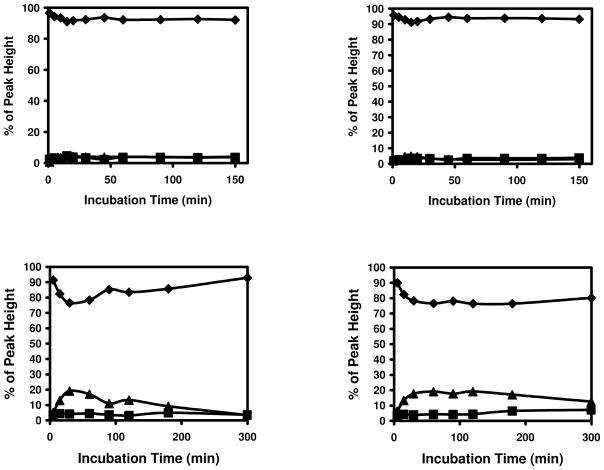
Figure 7. Modification of insulin peptides without sulfhydryl group by acrolein
Up left panel: G2, upper right panel: G4, bottom left panel: oxidized G3, and bottom right panel: oxidized G5. ◆: unmodified peptides, ▲: modified peptides with +56 Da shift, and ■: modified peptides with +38 Da shift.
Figure 8
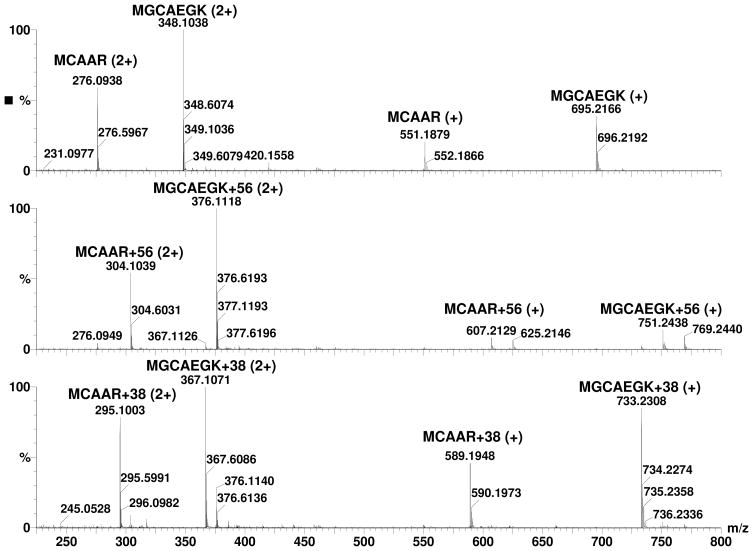
Figure 8. ESI/MS spectra of N-terminal peptides of proteins before and after incubation with acrolein
Top Panel: before incubation with acrolein, Middle Panel: incubated with acrolein for 1 minute, and Bottom Panel: incubated with acrolein for 120 minutes. Charge status of the peaks are marked in parentheses.
Figure 9
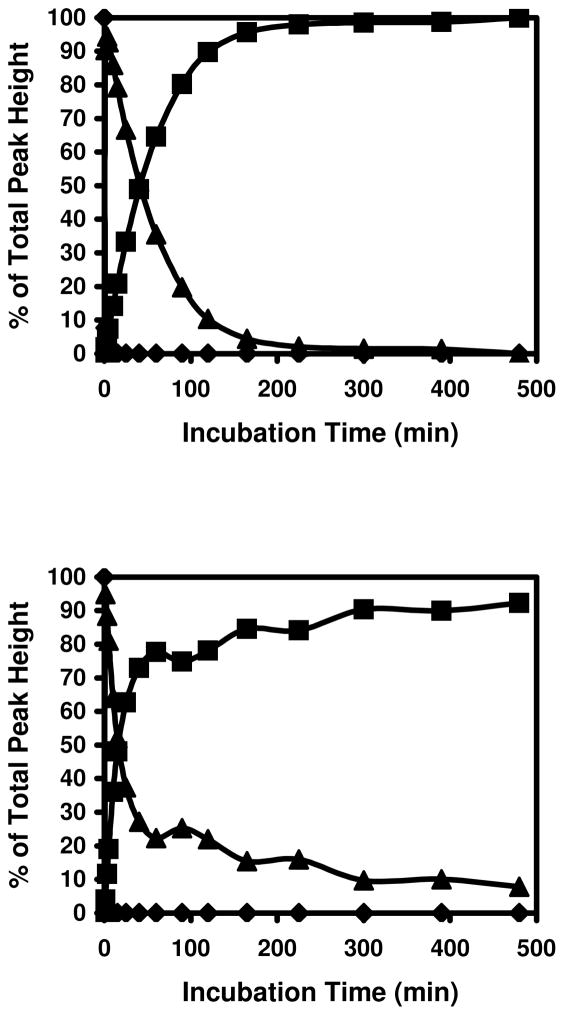
Figure 9. Modification of protein N-terminal peptides by acrolein
Top panel: MCAAR and bottom panel: MGCAEGK.◆: unmodified peptides, ▲: modified peptides with +56 Da shift, and ■: modified peptides with +38 Da shift.
Scheme 1
Scheme 1
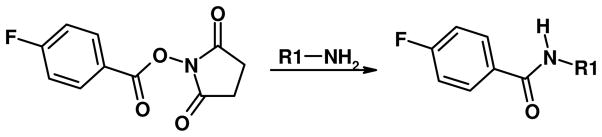
Acylation of amino groups by SFB.
Scheme 2
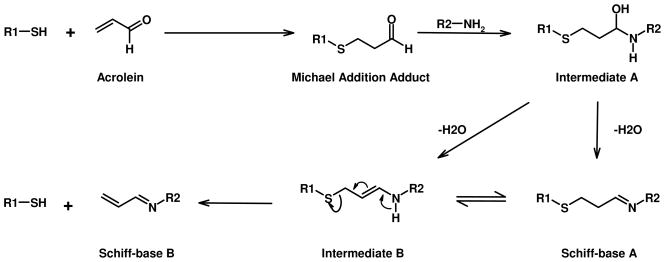
Scheme 2. Mechanism of Schiff-base adduct formation from Michael addition adduct
For Schiff-base A, a cyclic product is formed if R2-NH2 is the N-terminal of the same peptide.

References

    1. Witz G. Biological interactions of alpha,beta-unsaturated aldehydes. Free Radic Biol Med. 1989;7:333–349. - PubMed
    1. Esterbauer H, Schaur RJ, Zollner H. Chemistry and biochemistry of 4- hydroxynonenal, malonaldehyde and related aldehydes. Free Radic Biol Med. 1991;11:81–128. - PubMed
    1. Kehrer JP, Biswal SS. The molecular effects of acrolein. Toxicol Sci. 2000;57:6–15. - PubMed
    1. Sanchez AM, Kozekov ID, Harris TM, Lloyd RS. Formation of inter- and intrastrand imine type DNA-DNA cross-links through secondary reactions of aldehydic adducts. Chem Res Toxicol. 2005;18:1683–1690. - PubMed
    1. Feng Z, Hu W, Hu Y, Tang MS. Acrolein is a major cigarette-related lung cancer agent: Preferential binding at p53 mutational hotspots and inhibition of DNA repair. Proc Natl Acad Sci USA. 2006;103:15404–15409. - PMC - PubMed

Publication types