


Stimulation of sympathetic innervation in the upper gastrointestinal tract as a treatment for obesity
- PMID: 19246162
- PMCID: PMC2734333
- DOI: 10.1016/j.mehy.2008.12.046
Stimulation of sympathetic innervation in the upper gastrointestinal tract as a treatment for obesity
Abstract
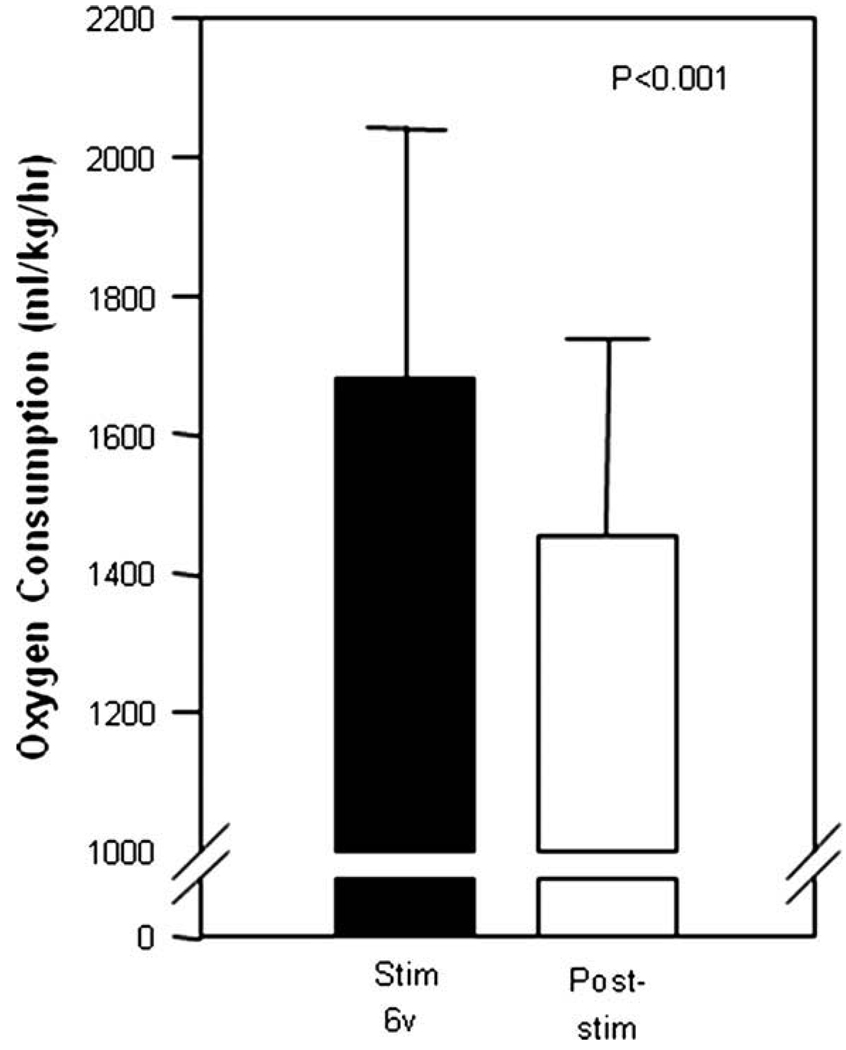
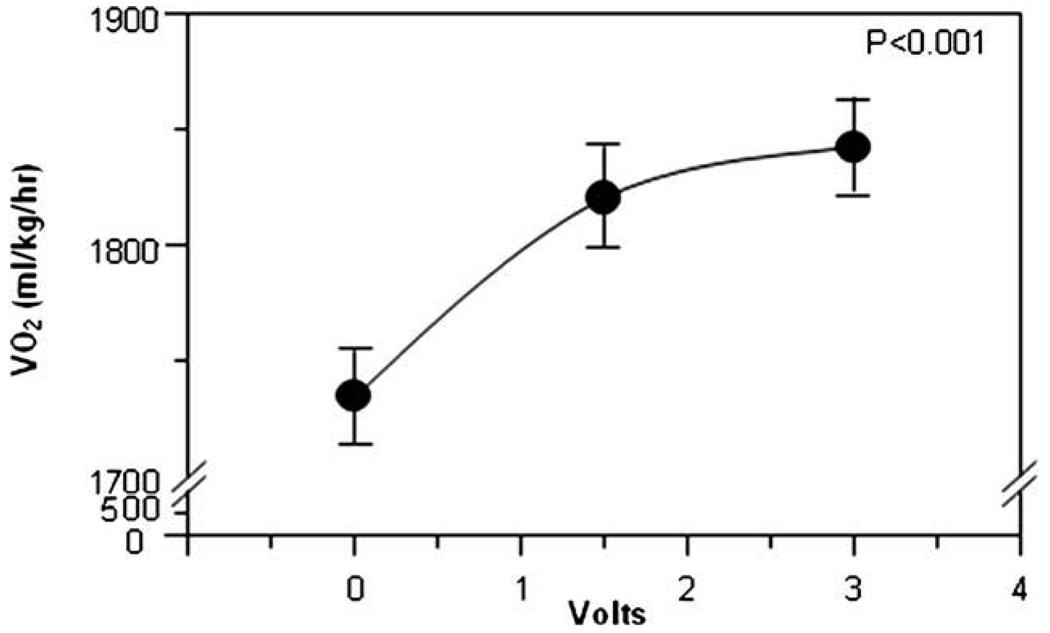
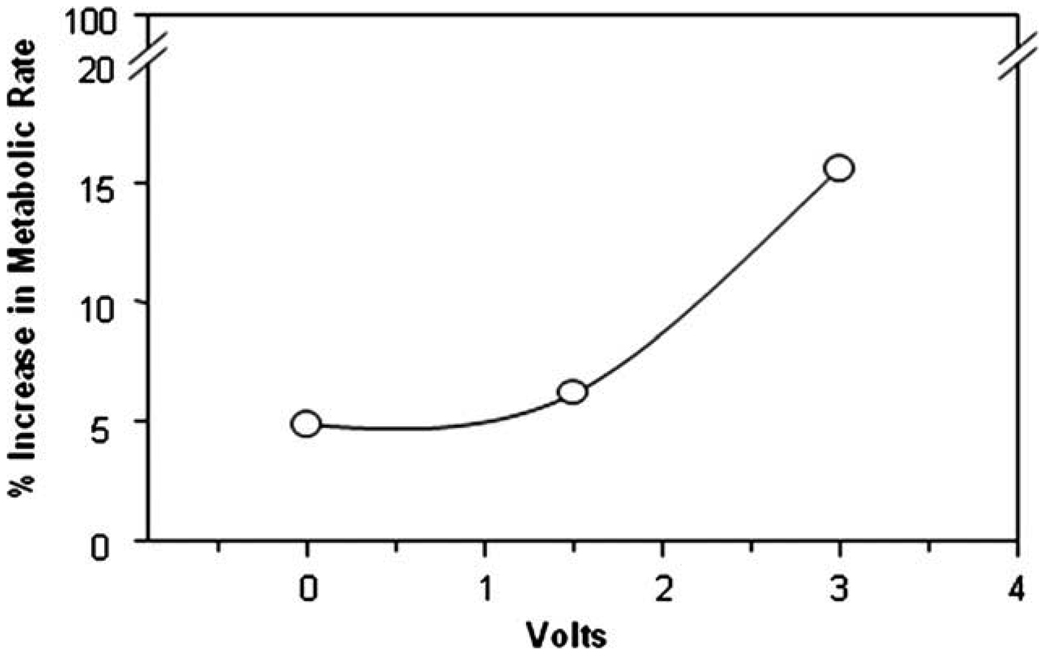
Sympathetic activity and obesity have a reciprocal relationship. Firstly, hypothalamic obesity is associated with decreased sympathetic activity. Caffeine and ephedrine increase sympathetic activity and induce weight loss, of which 25% is due to increased metabolic rate and 75% is due to a reciprocally decreased food intake. Secondly, hormones and drugs that affect body weight have an inverse relationship between food intake and metabolic rate. Neuropeptide Y decreases sympathetic activity and increases food intake and body weight. Thirdly, a gastric pacemaker Transcend and vagotomy increase the ratio of sympathetic to parasympathetic activation, decrease food intake, and block gut satiety hormones. Weight loss with the pacemaker or vagotomy is variable. Significant weight reduction is seen only in a small group of those treated. This suggests that activation of the sympathetic arm of the autonomic nervous system may be most important for weight loss. Systemic sympathetic activation causes weight loss in obese patients, but side effects limited its use. We hypothesize that selective local electrical sympathetic stimulation of the upper gastrointestinal tract may induce weight loss and offer a safer, yet effective, obesity treatment. Celiac ganglia delivers sympathetic innervation to the upper gastrointestinal tract. Voltage regulated electrical simulation of the rat celiac ganglia increased metabolic rate in a dose-dependent manner. Stimulation of 6, 3, or 1.5 V increased metabolic rate 15.6%, 6.2%, and 5%, respectively in a single rat. These responses support our hypothesis that selective sympathetic stimulation of the upper GI tract may treat obesity while avoiding side effects of systemic sympathetic activation.
Figures
References
-
- Astrup A, Breum L, Toubro S, Hein P, Quaade F. The effect and safety of an ephedrine/caffeine compound compared to ephedrine, caffeine and placebo in obese subjects on an energy restricted diet. A double blind trial. Int J Obes Relat Metab Disord. 1992:269–277. - PubMed
-
- Astrup A, Buemann B, Christensen NJ, Toubro S, Thorbek G, Victor OJ, et al. The effect of ephedrine/caffeine mixture on energy expenditure and body composition in obese women. Metabolism. 1992:686–688. - PubMed
-
- Astrup A, Toubro S, Christensen NJ, Quaade F. Pharmacology of thermogenic drugs. Am J Clin Nutr. 1992:246S–248S. - PubMed
-
- Babinski M. Tumeur du corps pituitaire sans acromegalie et avec arret de developpement des organes genitaux. Rev Neurol. 1900:531–533.
-
- Berthoud HR, Niijima A, Sauter JF, Jeanrenaud B. Evidence for a role of the gastric, coeliac and hepatic branches in vagally stimulated insulin secretion in the rat. J Auton Nerv Syst. 1983:97–110. - PubMed
MeSH terms
Grants and funding
LinkOut - more resources
Full Text Sources
Other Literature Sources
Medical
