. 2009;4(2):e4643.
doi: 10.1371/journal.pone.0004643. Epub 2009 Feb 27.

Rapid regulatory T-cell response prevents cytokine storm in CD28 superagonist treated mice

Affiliations

Rapid regulatory T-cell response prevents cytokine storm in CD28 superagonist treated mice

Tea Gogishvili et al. PLoS One. 2009.

Abstract

Superagonistic CD28-specific monoclonal antibodies (CD28SA) are highly effective activators of regulatory T-cells (Treg cells) in rats, but a first-in-man trial of the human CD28SA TGN1412 resulted in an unexpected cytokine release syndrome. Using a novel mouse anti-mouse CD28SA, we re-investigate the relationship between Treg activation and systemic cytokine release. Treg activation by CD28SA was highly efficient but depended on paracrine IL-2 from CD28SA-stimulated conventional T-cells. Systemic cytokine levels were innocuous, but depletion of Treg cells prior to CD28SA stimulation led to systemic release of proinflammatory cytokines, indicating that in rodents, Treg cells effectively suppress the inflammatory response. Since the human volunteers of the TGN1412 study were not protected by this mechanism, we also tested whether corticosteroid prophylaxis would be compatible with CD28SA induced Treg activation. We show that neither the expansion nor the functional activation of Treg cells is affected by high-dose dexamethasone sufficient to control systemic cytokine release. Our findings warn that preclinical testing of activating biologicals in rodents may miss cytokine release syndromes due to the rapid and efficacious response of the rodent Treg compartment, and suggest that polyclonal Treg activation is feasible in the presence of antiphlogistic corticosteroid prophylaxis.


Conflict of interest statement

Competing Interests: The authors have declared that no competing interests exist.

Figures

Figure 1
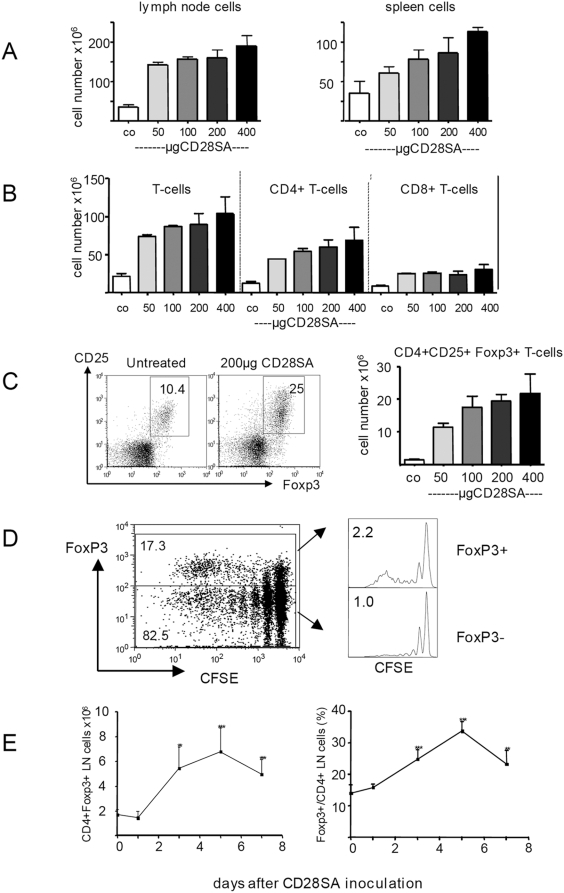
Figure 1. T-cell responses to mouse CD28SA D665 in vivo.
(A) Cell numbers in pooled lymph nodes and spleen, d3. (B) T-cell subsets in lymph nodes. (C) Frequency (%) of CD25+Foxp3+ Treg cells among CD4 lymph node T-cells (left) and their absolute numbers in pooled lymph nodes (right). (D) Cell division of conventional and regulatory CD4 T-cells, d3 after stimulation with 100 µg CD28SA. 107 purified CFSE-labeled CD4 T-cells were transferred i.v. on day −1. Average numbers of cell divisions for Foxp3-positive and –negative subsets (histogram inserts), and percentages of recovered subsets (dot plot inserts) are indicated. (E) Kinetics of absolute Treg cell numbers in lymph nodes (left), and of percentage among CD4 cells (right). *** indicates p<0.0001 as compared to untreated mice (d0).
Figure 2
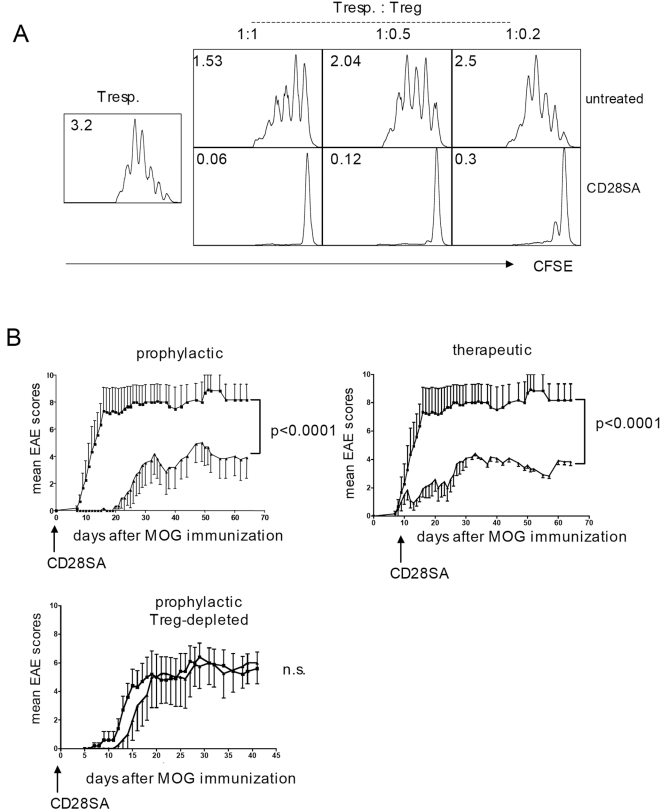
Figure 2. Suppressive activity of CD28SA stimulated Treg cells.
(A) In vivo stimulation with CD28SA increases potency of Treg cells in vitro. CFSE-stimulated indicator CD4 T-cells were cocultured with purified Treg cells from naïve or d -3 CD28SA stimulated mice at the ratios indicated, and stimulated as given in Methods. Cell division was measured on d3, and average numbers of divisions are given as inserts. (B) CD28SA stimulation suppresses EAE by activating the Treg compartment. Left: prophylactic, middle: therapeutic treatment. Right: Treg depletion abolishes therapeutic effect. 50 µg of CD28SA were applied and EAE was read as given in Methods.
Figure 3
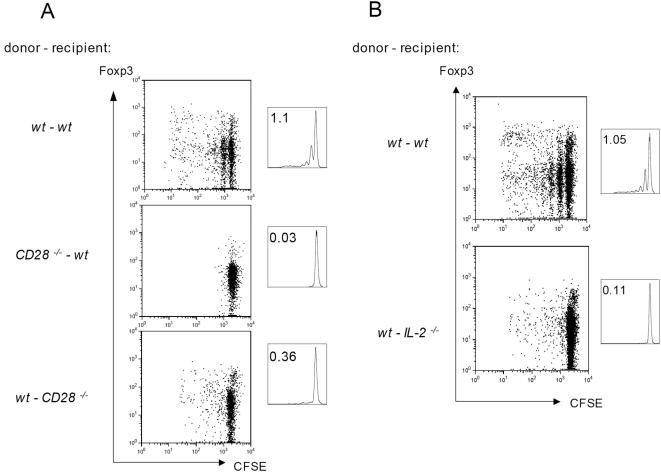
Figure 3. CD28SA mediated CD4 T-cell activation requires CD28 signals in cis and trans.
107 CFSE-labeled purified CD4 T-cells were transferred on day −1 i.v. into wild type or knockout mice as indicated, and analyzed 3 d after CD28SA application. (A) Requirement for CD28 on both donor and host cells for proliferation of transferred cells. (B) Host-derived IL-2 is required for proliferation of donor cells.
Figure 4
Figure 4. Treg depletion results in systemic cytokine release after CD28SA stimulation.
Mice were pretreated with DT to remove Treg cells from DEREG mice as given in Methods, and stimulated with CD28SA for the times indicated. Cytokine levels in peripheral blood are shown.
Figure 5
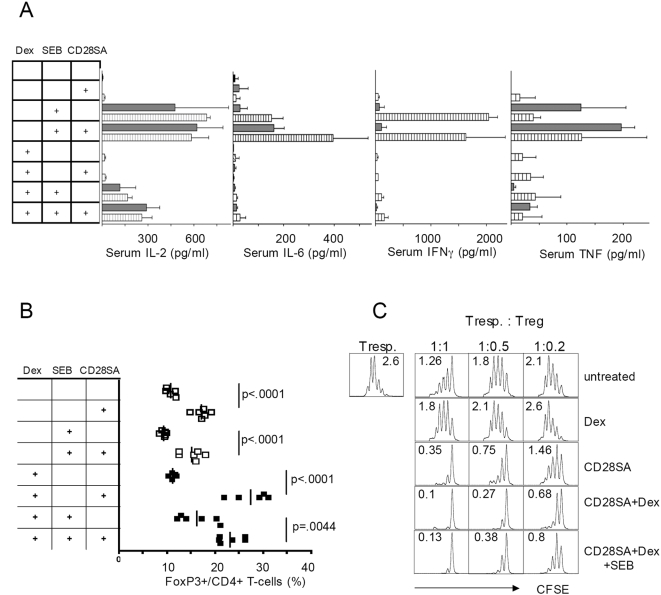
Figure 5. CD28SA mediated Treg activation is compatible with anti-phlogistic corticosteroid therapy.
(A) Dexamethasone (Dex) effectively suppresses cytokine release induced by the superantigen SEB in the presence or absence of CD28SA stimulation. Sera of mice treated as indicated (see also Methods) were analyzed 1 hr (closed bars) or 4 hrs (stripped bars) after stimulation with SEB and/or CD28SA. (B) Increase in Treg cells is unaffected by Dex treatment. Analysis on day 3 after single stimulation with SEB and/or CD28SA, and daily treatment with 5 mg/kg Dex. (C) CD28SA-induced enhancement of Treg activity is resistant to Dex treatment. Treg cells isolated from groups shown in (B) were cocultered with CFSE-labeled indicator cells as described in Methods. Cell division was measured on d3, and average numbers are given as inserts.

References

    1. Sakaguchi S, Ono M, Setoguchi R, Yagi H, Hori S, et al. Foxp3+ CD25+ CD4+ natural regulatory T cells in dominant self-tolerance and autoimmune disease. Immunol Rev. 2006;212:8–27. - PubMed
    1. Barrat FJ, Cua DJ, Boonstra A, Richards DF, Crain C, et al. In vitro generation of interleukin 10-producing regulatory CD4(+) T cells is induced by immunosuppressive drugs and inhibited by T helper type 1 (Th1)- and Th2-inducing cytokines. J Exp Med. 2002;195:603–616. - PMC - PubMed
    1. Adorini L, Giarratana N, Penna G. Pharmacological induction of tolerogenic dendritic cells and regulatory T cells. Semin Immunol. 2004;16:127–134. - PubMed
    1. Boyman O, Surh CD, Sprent J. Potential use of IL-2/anti-IL-2 antibody immune complexes for the treatment of cancer and autoimmune disease. Expert Opin Biol Ther. 2006;6:1323–1331. - PubMed
    1. Chen X, Oppenheim JJ, Winkler-Pickett RT, Ortaldo JR, Howard OM. Glucocorticoid amplifies IL-2-dependent expansion of functional FoxP3(+)CD4(+)CD25(+) T regulatory cells in vivo and enhances their capacity to suppress EAE. Eur J Immunol. 2006;36:2139–2149. - PubMed

Publication types

MeSH terms