


Comorbidity in pediatric bipolar disorder
- PMID: 19264265
- PMCID: PMC3757953
- DOI: 10.1016/j.chc.2008.12.005
Comorbidity in pediatric bipolar disorder
Abstract
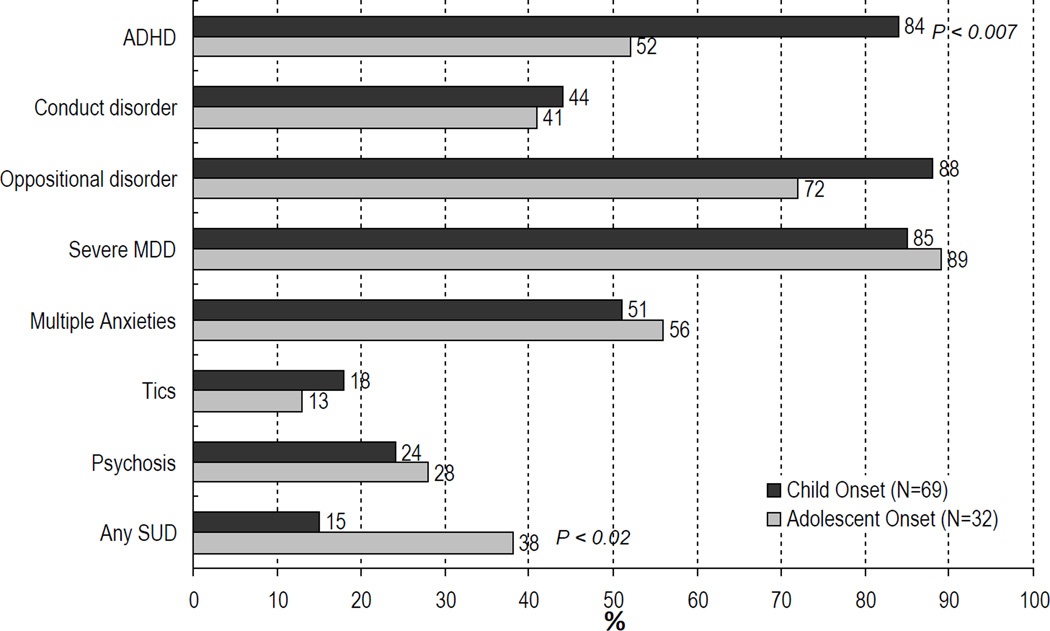
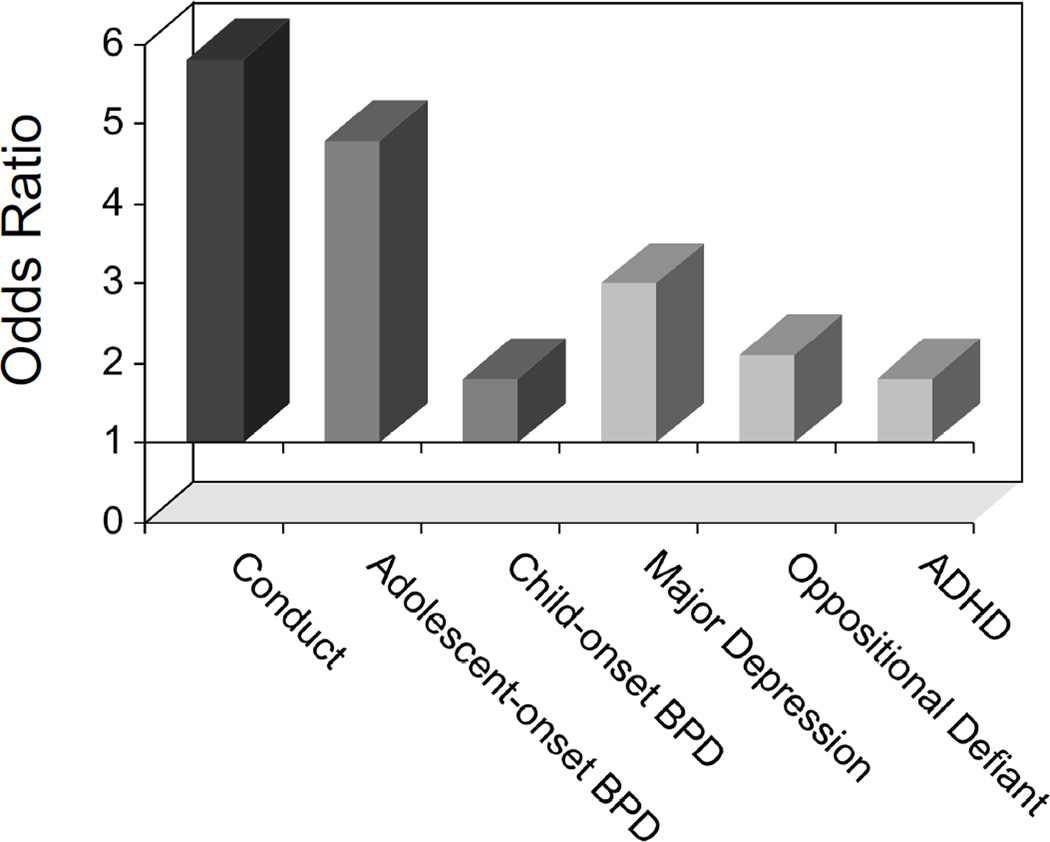
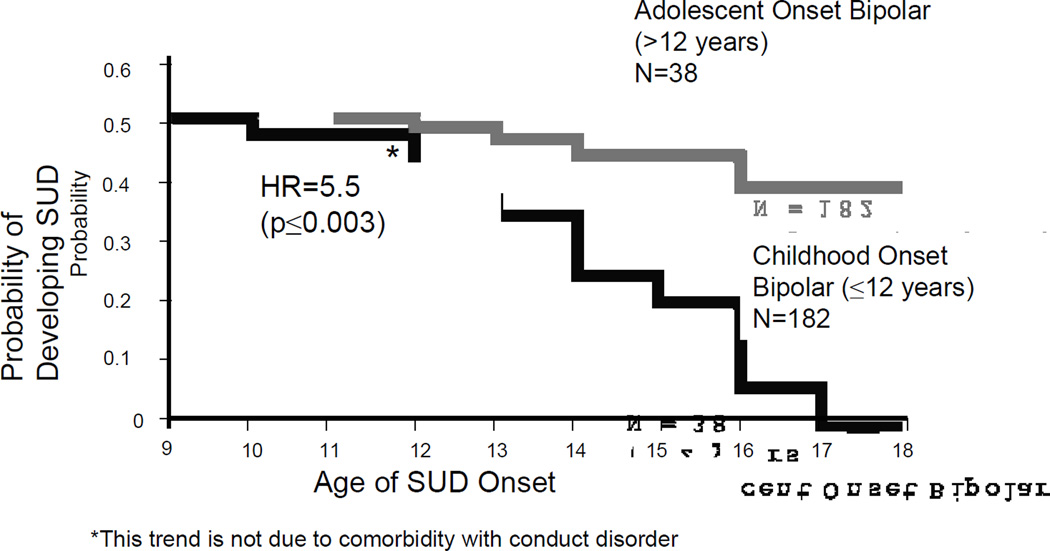
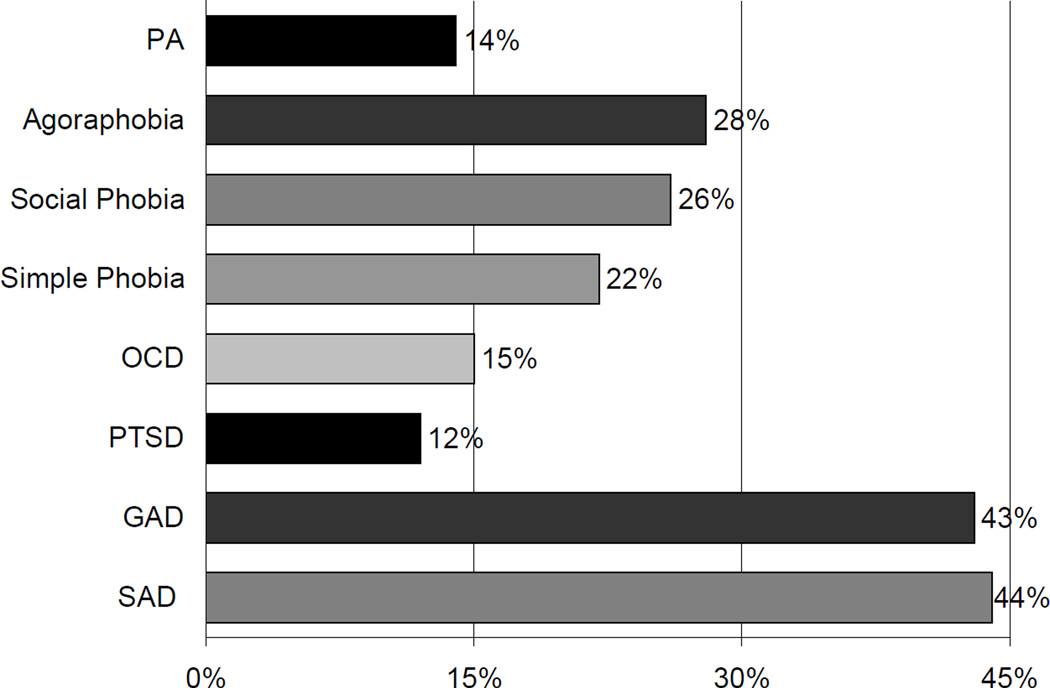
The growing literature shows the pervasiveness and importance of comorbidity in youth with bipolar disorder (BPD). For instance, up to 90% of youth with BPD have been described to manifest comorbidity with attention-deficit hyperactivity disorder. Multiple anxiety, substance use, and disruptive behavior disorders are the other most commonly reported comorbidities with BPD. Moreover, important recent data highlight the importance of obsessive-compulsive and pervasive developmental illness in the context of BPD. Data suggest that not only special developmental relationships are operant in the context of comorbidity but also that the presence of comorbid disorders with BPD results in a more severe clinical condition. Moreover, the presence of comorbidity has therapeutic implications for the treatment response for both BPD and the associated comorbid disorder. Future longitudinal studies to address the relationship and the impact of comorbid disorders on course and therapeutic response over time are required in youth with BPD.
Figures

References
-
- Diagnostic and Statistical Manual of Mental Disorders. 4th. Washington, D.C: American Psychiatric Association;
-
- Randomized, controlled, crossover trial of methylphenidate in pervasive developmental disorders with hyperactivity. Arch Gen Psychiatry. 2005;62:1266. - PubMed
-
- Research Units on Pediatric Psychopharmacology Autism Network: Risperidone in children with autism and serious behavioral problems. N Engl J Med. 2002;347:314. - PubMed
-
- Aman MG, Arnold MDL, McDougle CJ, et al. Acute and long-term safety and tolerability of risperidone in children with autism. J Child Adolesc Psychopharmacol. 2005;15:869. - PubMed
-
- Aman MG, De Smedt G, Derivan A, et al. Double-blind, placebo-controlled study of risperidone for the treatment of disruptive behaviors in children with subaverage intelligence. Am J Psychiatry. 2002;159:1337. - PubMed
