


Review
doi: 10.1186/1757-7241-17-13.
Diagnostic peritoneal lavage: a review of indications, technique, and interpretation
Affiliations
- PMID: 19267941
- PMCID: PMC2663535
- DOI: 10.1186/1757-7241-17-13
Item in Clipboard
Review
Diagnostic peritoneal lavage: a review of indications, technique, and interpretation
Scand J Trauma Resusc Emerg Med.
.
Abstract
Diagnostic peritoneal lavage (DPL) is a highly accurate test for evaluating intraperitoneal hemorrhage or a ruptured hollow viscus, but is performed less frequently today due to the increased use of focused abdominal sonography for trauma (FAST) and helical computed tomography (CT). All three of these exams have advantages and disadvantages and thus each still play unique roles in the evaluation of abdominal trauma. Since DPL is performed less frequently today, a review of its indications, technique, and interpretation is pertinent.
Figures
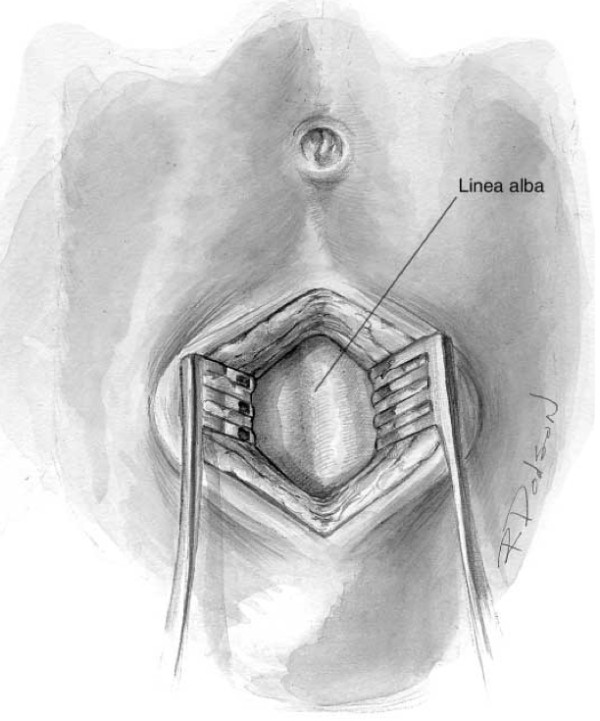
View of the linea alba and anterior abdominal fascia following a midline infraumbilical incision for an open or semi-open approach to DPL.
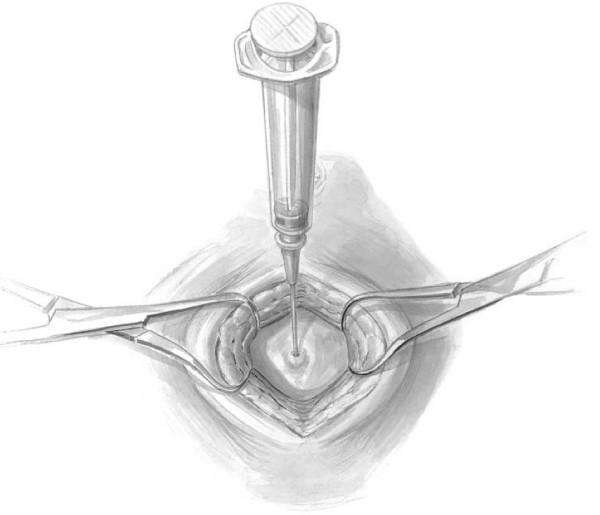
While grasping and elevating the anterior abdominal fascia, an 18-guage needle is inserted at a 45-degree angle toward the pelvis. Two "pops" are felt as the needle traverses the fascia and peritoneum.
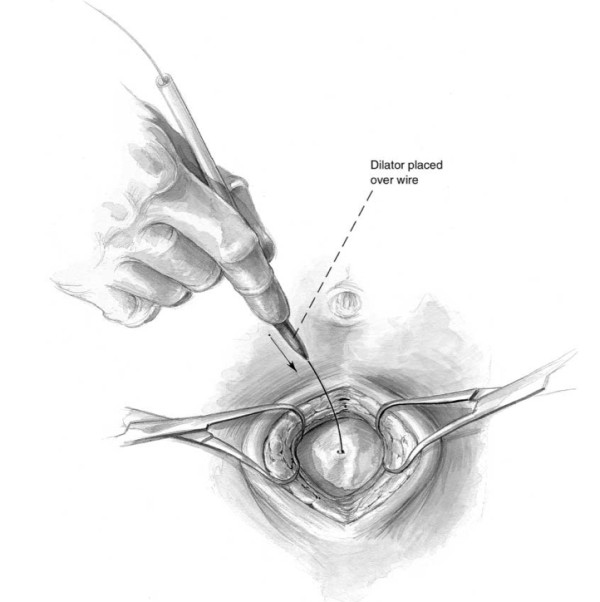
Following guidewire placement through the needle, a dilator is passed through the fascia prior to placing the peritoneal catheter.
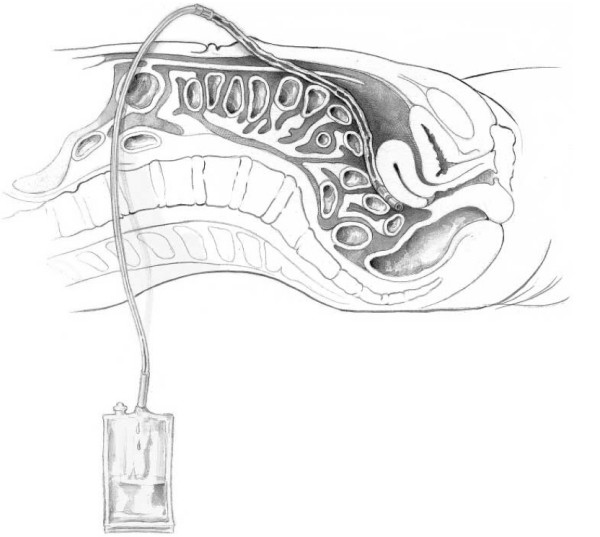
After fluid is instilled, the bag is placed onto the floor to allow the intraabdominal fluid to return. 30% of the original amount of instilled fluid is required for an adequate sample.
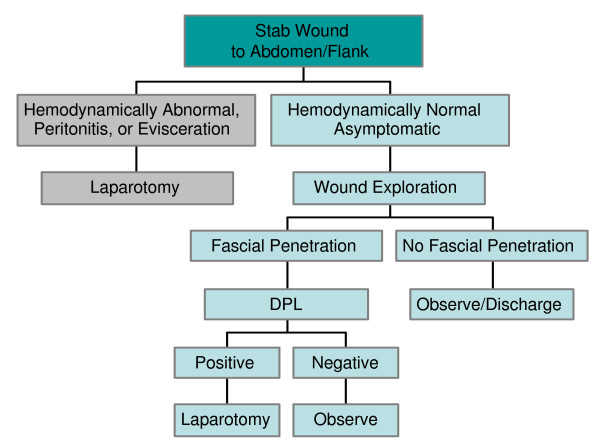
Penetrating Trauma Algorithm. Here, only stab wounds to abdomen and/or flank are considered, as DPL is not utilized in gunshot wounds. DPL is used in an asymptomatic patient with a positive wound exploration.
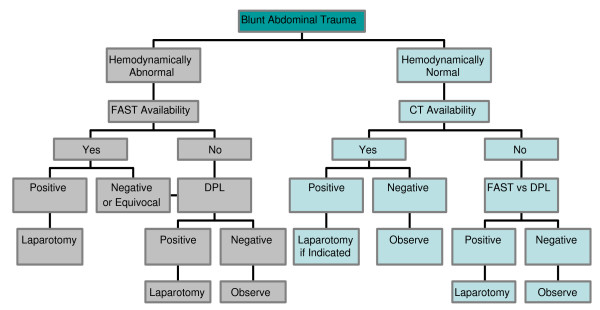
Blunt Trauma Algorithm. DPL is used when FAST and/or CT are not available. In a hemodynamically abnormal patient, if FAST is unavailable or results are equivocal, DPL is indicated. In a hemodynamically normal patient, DPL is used when CT and/or FAST are unavailable and the patient has concerning signs/symptoms of abdominal trauma.
References
-
- Root HD, Hauser GW, McKinley CR, et al. Diagnostic peritoneal lavage. Surgery. 1965;57:633. - PubMed
-
- Ceraldi CM, Waxman K. Computerized tomography as an indicator of isolated mesenteric injury. A comparison with peritoneal lavage. Am Surg. 1990;56:806–810. - PubMed
-
- Meyer DM, Thal ER, Weigelt JA. Evaluation of computed tomography and diagnostic peritoneal lavage in blunt abdominal trauma. J Trauma. 1989;29:1168–1170. - PubMed
-
- Brenner DJ, Elliston CD, Hall EJ, Berdon WE. Estimated risks of radiation-induced fatal cancer from pediatric CT. AJR Am J Roentgenol. 2001;176:289–296. - PubMed
Publication types
MeSH terms
LinkOut - more resources
Full Text Sources
