. 2009 May 7;459(7243):113-7.
doi: 10.1038/nature07861. Epub 2009 Mar 8.

CBP/p300-mediated acetylation of histone H3 on lysine 56

Affiliations

CBP/p300-mediated acetylation of histone H3 on lysine 56

Chandrima Das et al. Nature. .

Erratum in

  • Nature. 2009 Aug 27;460(7259):1164

Abstract

Acetylation within the globular core domain of histone H3 on lysine 56 (H3K56) has recently been shown to have a critical role in packaging DNA into chromatin following DNA replication and repair in budding yeast. However, the function or occurrence of this specific histone mark has not been studied in multicellular eukaryotes, mainly because the Rtt109 enzyme that is known to mediate acetylation of H3K56 (H3K56ac) is fungal-specific. Here we demonstrate that the histone acetyl transferase CBP (also known as Nejire) in flies and CBP and p300 (Ep300) in humans acetylate H3K56, whereas Drosophila Sir2 and human SIRT1 and SIRT2 deacetylate H3K56ac. The histone chaperones ASF1A in humans and Asf1 in Drosophila are required for acetylation of H3K56 in vivo, whereas the histone chaperone CAF-1 (chromatin assembly factor 1) in humans and Caf1 in Drosophila are required for the incorporation of histones bearing this mark into chromatin. We show that, in response to DNA damage, histones bearing acetylated K56 are assembled into chromatin in Drosophila and human cells, forming foci that colocalize with sites of DNA repair. Furthermore, acetylation of H3K56 is increased in multiple types of cancer, correlating with increased levels of ASF1A in these tumours. Our identification of multiple proteins regulating the levels of H3K56 acetylation in metazoans will allow future studies of this critical and unique histone modification that couples chromatin assembly to DNA synthesis, cell proliferation and cancer.


Figures
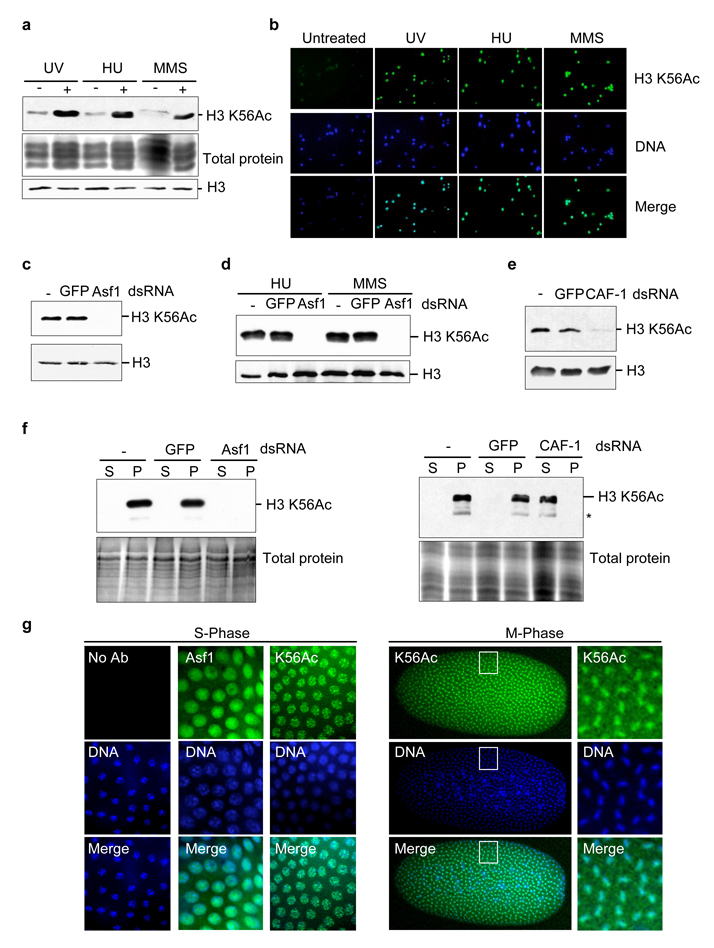
Figure 1
Figure 1. Drosophila Asf1 promotes H3 K56 acetylation, while CAF-1 deposits H3 K56Ac into chromatin
a and b H3 K56ac levels in chromatin after DNA damage. c. Asf1 is required for H3 K56 acetylation, and in response to DNA damage, d. e. H3 K56Ac levels on chromatin following CAF-1 p180 knockdown. f. H3 K56Ac levels in free histones in the supernatant (“S”) and chromatin bound pellet (“P”). * indicates a likely proteolytic product of H3. g. Drosophila embryos were stained with no primary antibody (“no Ab”), antisera to Asf1 or K56Ac, as indicated. Secondary antibody was included in all analyses
Figure 2
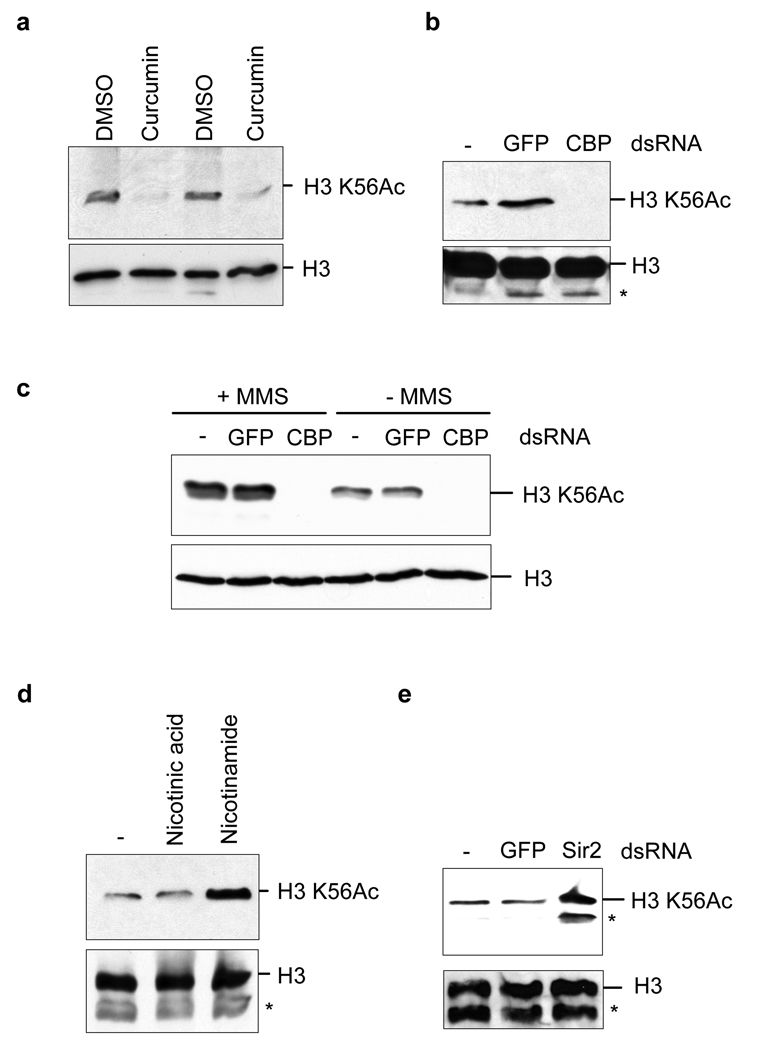
Figure 2. Drosophila CBP acetylates H3 K56, while Sir2 deacetylates H3 K56Ac in vivo
a. Inhibition of CBP by curcumin lowers levels of H3 K56Ac in S2 cells. Duplicate analyses are shown. b. CBP acetylates H3 K56. c. CBP is required for the increase of H3 K56Ac on chromatin after DNA damage. d. Inhibition of NAD-dependent HDACs by nicotinamide increases K56Ac. e. Sir2 deacetylates H3 K56Ac.
Figure 3
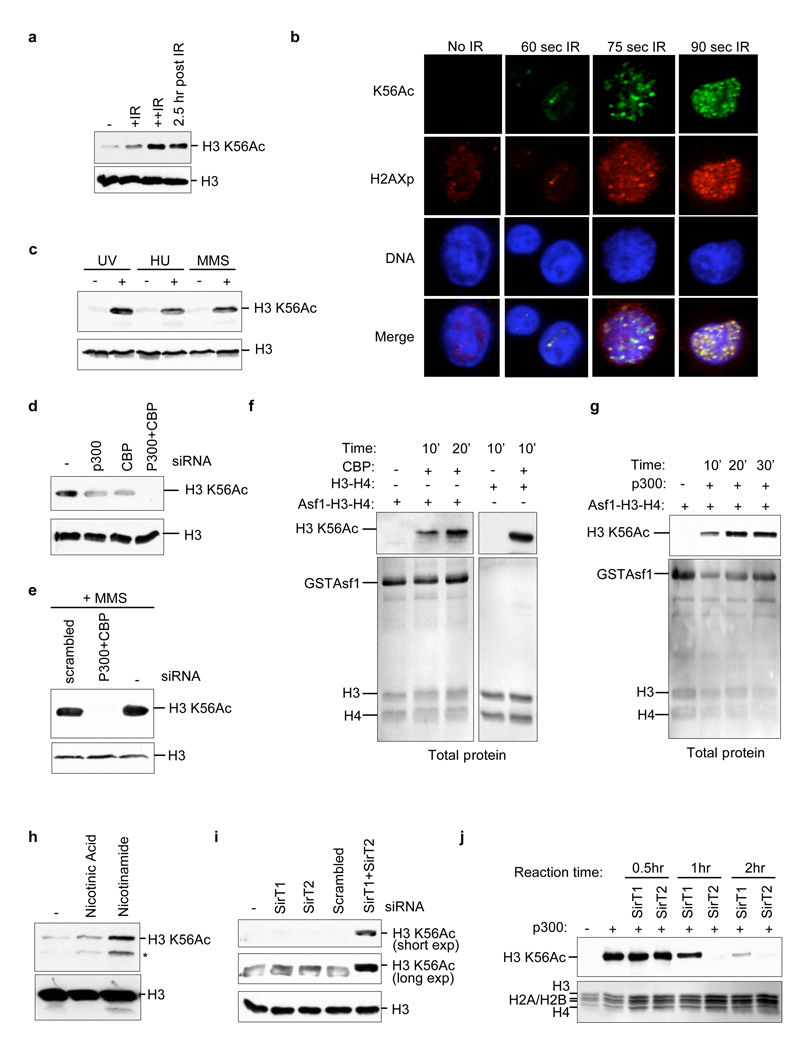
Figure 3. Human CBP/p300 acetylates H3 K56 while SirT1 and SirT2 deacetylate H3 K56Ac
a. Levels of H3 K56Ac on human chromatin following gamma irradiation. b. H3 K56Ac localizes to DNA damage foci. c. HU, MMS and UV induce H3 K56Ac. d. CBP/p300 are required for acetylation of H3 K56 in the absence and presence, e, of DNA damage. f. Human CBP and p300, g, acetylate H3 K56 in vitro. h. Inhibition of NAD-dependent HDACs increases H3 K56Ac levels. i. Human SirT2 and SirT1 deacetylate H3 K56Ac in vivo. j. Human SirT2 and SirT1 deacetylate H3 K56Ac in vitro.
Figure 4
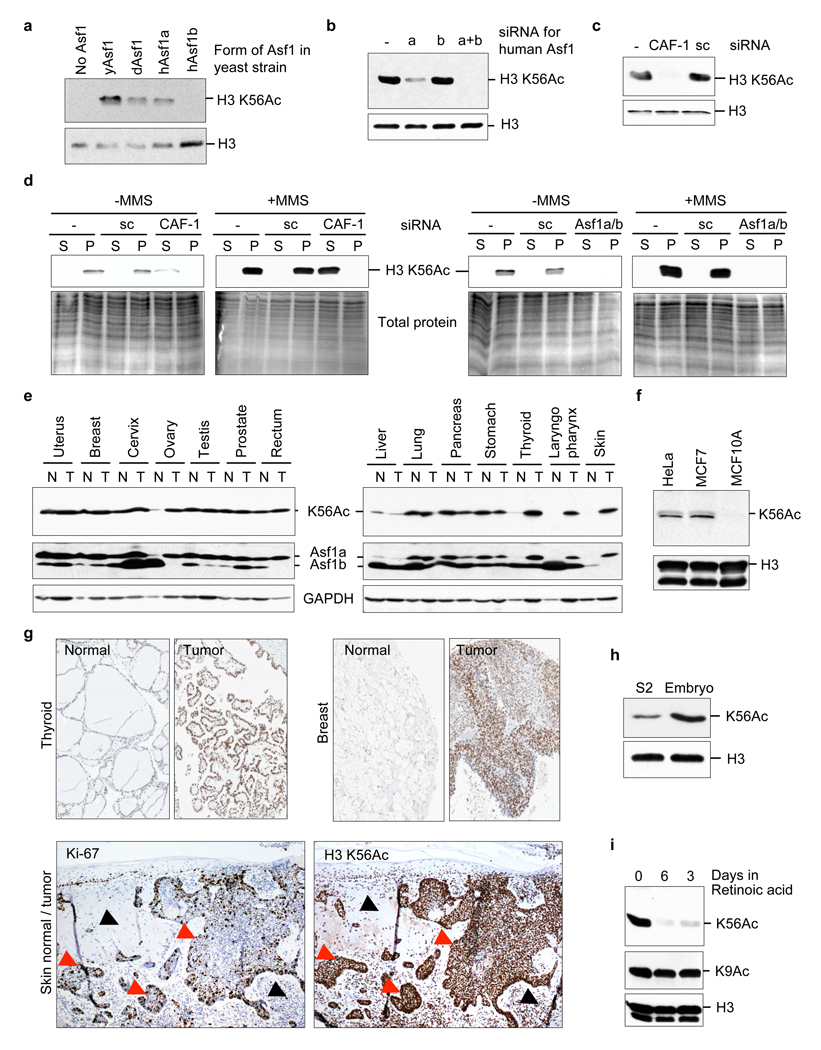
Figure 4. Asf1a drives K56 acetylation in human cells and tumors
a. Asf1a promotes K56 acetylation in yeast and humans (b.). c. and d. CAF-1 mediates H3 K56ac assembly onto chromatin. sc - scrambled siRNA. e. K56Ac and Asf1a correlate in matched normal (N) and tumor (T) pairs. f. Elevated K56Ac in tumorigenic cells and tumors (g.). Nuclei – blue; K56Ac - brown. Comparison of K56Ac and the proliferation marker Ki-67 in adjacent sections of late grade skin cancer. Red arrows - invading tumor. Black arrows - normal tissue. h. Drosophila embryos have elevated K56Ac. i. Elevated K56Ac in undifferentiated cells.

References

    1. Chen CC, et al. Acetylated lysine 56 on histone H3 drives chromatin assembly after repair and signals for the completion of repair. Cell. 2008;134:231–243. - PMC - PubMed
    1. Li Q, et al. Acetylation of histone H3 lysine 56 regulates replication-coupled nucleosome assembly. Cell. 2008;134:244–255. - PMC - PubMed
    1. Han J, et al. Rtt109 acetylates histone H3 lysine 56 and functions in DNA replication. Science. 2007;315:653–655. - PubMed
    1. Xhemalce B, et al. Regulation of histone H3 lysine 56 acetylation in Schizosaccharomyces pombe. J Biol Chem. 2007;282:15040–15047. - PubMed
    1. Williams SK, Truong D, Tyler JK. Acetylation in the globular core of histone H3 on lysine-56 promotes chromatin disassembly during transcriptional activation. Proc Natl Acad Sci U S A. 2008;105:9000–9005. - PMC - PubMed

Publication types