


Partially hydrolyzed guar gum supplement reduces high-fat diet increased blood lipids and oxidative stress and ameliorates FeCl3-induced acute arterial injury in hamsters
- PMID: 19272178
- PMCID: PMC2653517
- DOI: 10.1186/1423-0127-16-15
Partially hydrolyzed guar gum supplement reduces high-fat diet increased blood lipids and oxidative stress and ameliorates FeCl3-induced acute arterial injury in hamsters
Abstract
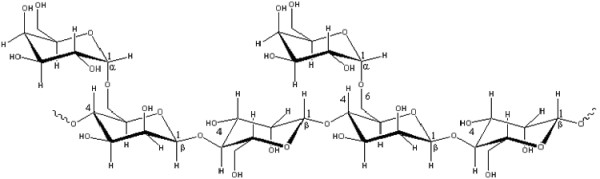
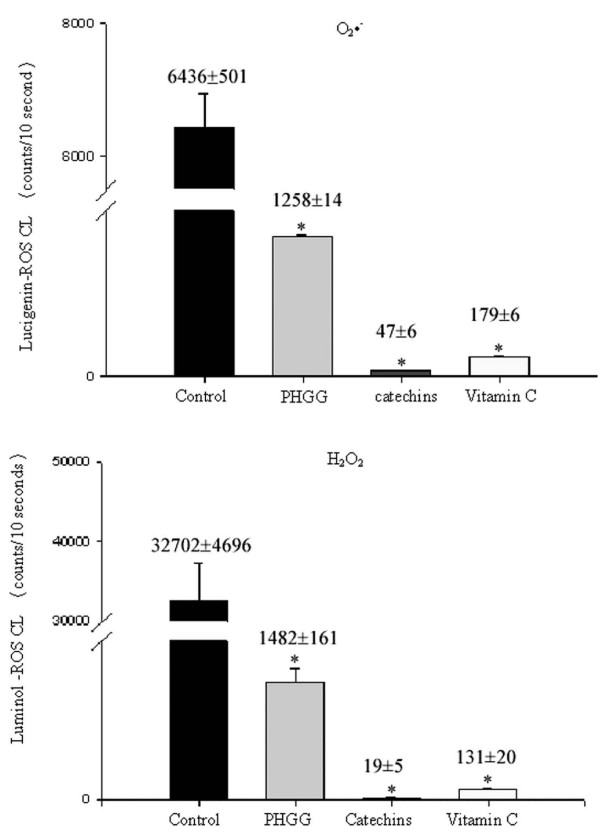
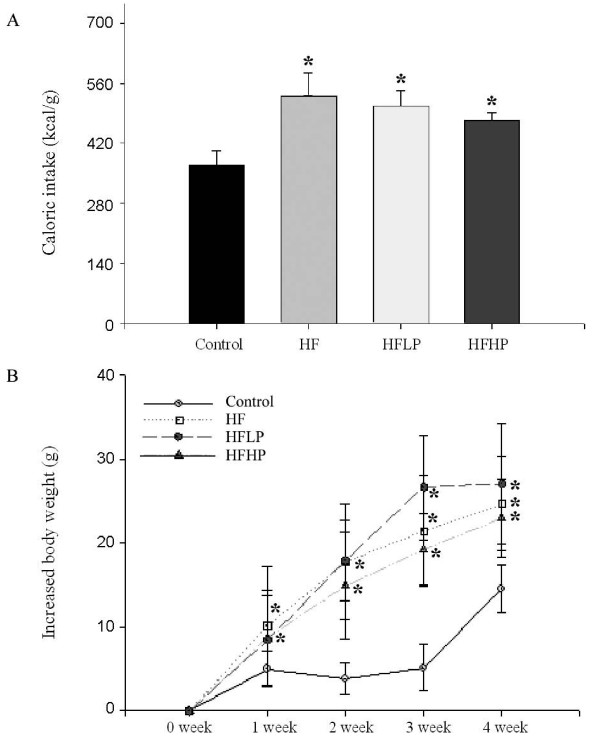
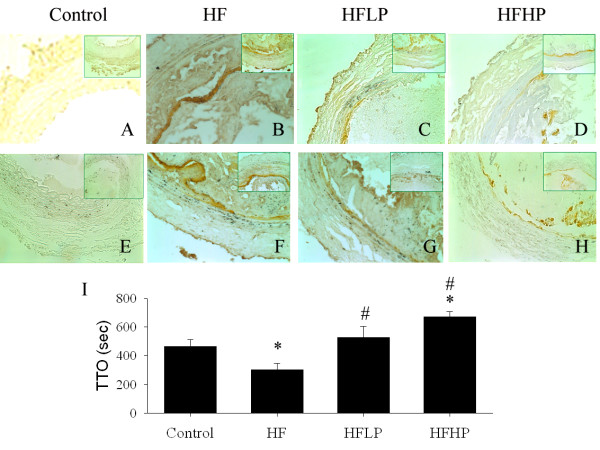
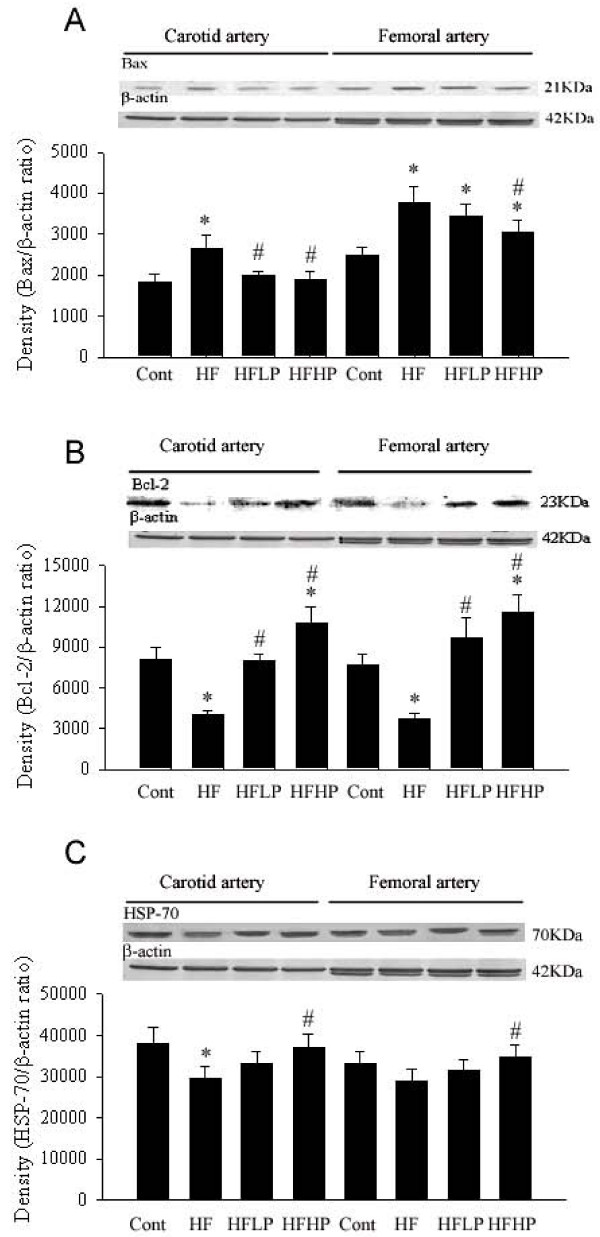
Increased reactive oxygen species (ROS) and hyperlipidemia can promote arterial thrombus. We evaluated the potential of a partially hydrolyzed guar gum (PHGG) as dietary fiber on lipid profiles and FeCl3-induced arterial thrombosis in the high fat-diet fed hamsters. Our in vitro results found that PHGG is efficient to scavenge O2-*, H2O2, and HOCl. High fat-diet increased plasma triglyceride, total cholesterol, LDL, VLDL, methylguanidine and dityrosine level and accelerated FeCl3-induced arterial thrombosis formation (from 463 +/- 51 to 303 +/- 45 sec). Low dose PHGG supplement significantly decreased the total cholesterol, LDL, methylguanidine and dityrosine level and delayed the time for arterial thrombosis formation (528 +/- 75 sec). High dose PHGG supplement decreased the level in triglyceride, total cholesterol, LDL and VLDL and further delayed the time for arterial thrombus (671 +/- 36 sec). The increased Bax protein and decreased Bcl-2 and HSP-70 protein expression was found in the carotid and femoral arteries of high fat-diet hamsters. Low and high dose of PHGG supplement decreased Bax expression and increased Bcl-2 and HSP-70 protein expression. We found that FeCl3 significantly enhanced intercellular adhesion molecule-1 and 4-hydroxynonenal expression in the endothelial site of damaged artery after 150-sec FeCl3 stimulation. PHGG supplement decreased the endothelial ICAM-1 and 4-hydroxynonenal expression after 150-sec FeCl3 stimulation. Based on these results, we conclude that PHGG supplement can increase antioxidant protein expression and thus decrease oxidative stress induced arterial injury.
Figures
References
-
- Chien CT, Lee PH, Chen CF, Ma MC, Lai MK, Hsu SM. De novo demonstration and co-localization of free-radical production and apoptosis formation in rat kidney subjected to ischemia/reperfusion. J Am Soc Nephrol. 2001;12:973–982. - PubMed
-
- Chien CT, Yu HJ, Lin TB, Lai MK, Hsu SM. Substance P via NK1 receptor facilitates hyperactive bladder afferent signaling via action of ROS. Am J Physiol Renal Physiol. 2003;284:F840–851. - PubMed
-
- Chien CT, Shyue SK, Lai MK. Bcl-xL augmentation potentially reduces ischemia/reperfusion induced proximal and distal tubular apoptosis and autophagy. Transplantation. 2007;84:1183–1190. - PubMed
Publication types
MeSH terms
Substances
LinkOut - more resources
Full Text Sources
Medical
Research Materials
Miscellaneous
