Higher irradiance and photodynamic therapy for age-related macular degeneration (an AOS thesis)
- PMID: 19277246
- PMCID: PMC2646424
Higher irradiance and photodynamic therapy for age-related macular degeneration (an AOS thesis)
Abstract
Purpose: Photodynamic therapy (PDT) using verteporfin was the first pharmacologic therapy for neovascular age-related macular degeneration and changed the treatment paradigm for a major, blinding disease. The experimental work in the nonhuman primate was essential in developing treatment parameters for verteporfin PDT that could successfully occlude choroidal neovascularization with limited injury to the neural retina. Early in the preclinical primate studies, we hypothesized that higher irradiances could be used for ocular PDT than had been used in dermatology and other applications, which typically utilized an irradiance of 150 to 200 mW/cm(2). We set out to test the feasibility of irradiances up to 1800 mW/cm(2).
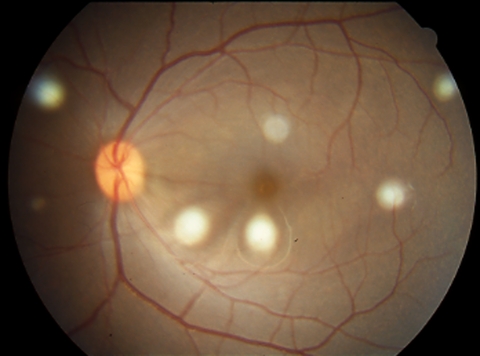
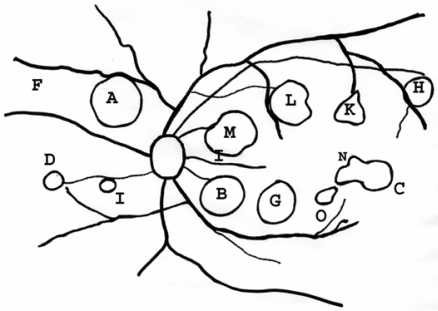
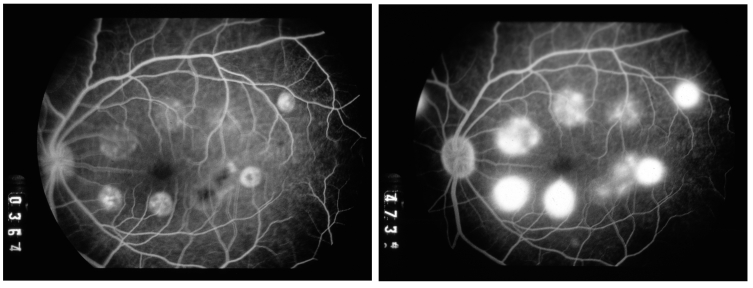
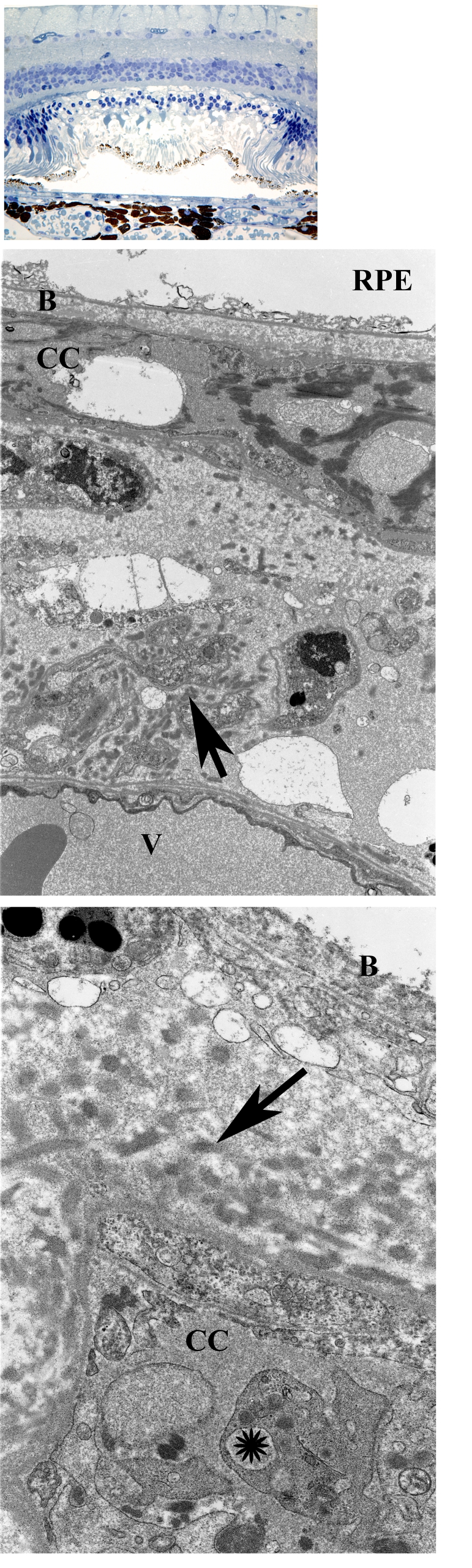
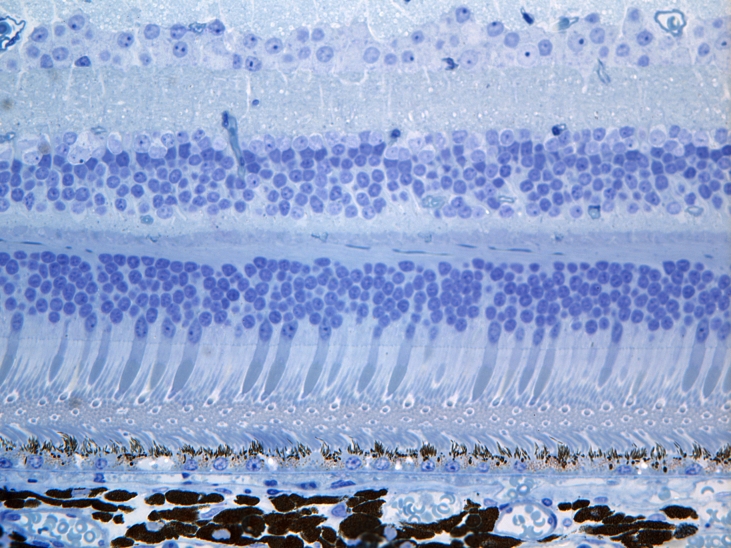
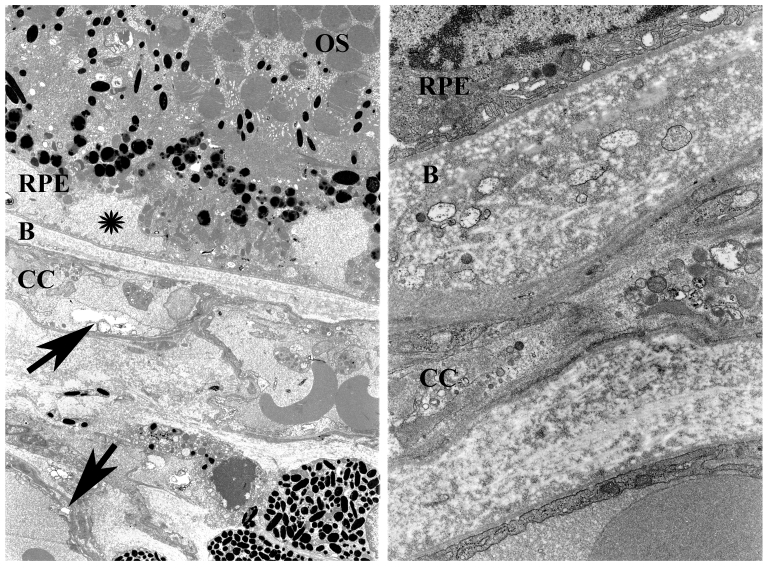
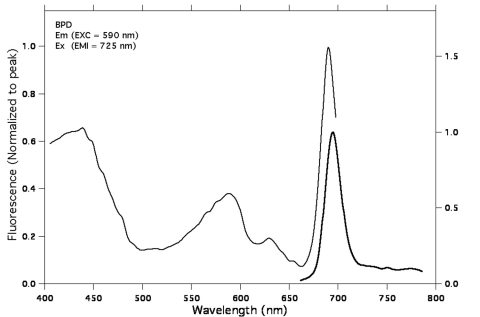
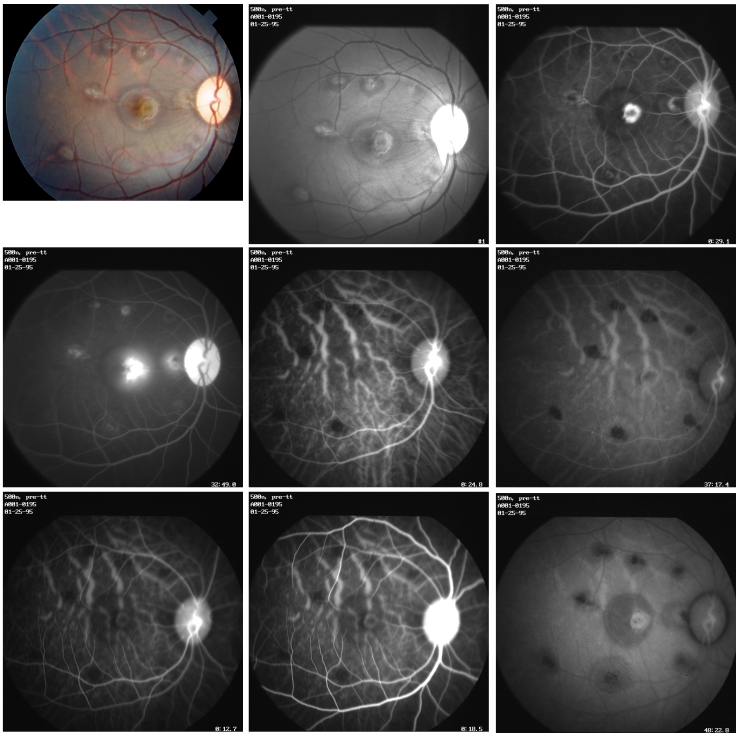
Methods: PDT was applied to normal monkey eyes using verteporfin/benzoporphyrin derivative (BPD) (2 mg/kg) mixed with low-density lipoprotein in DMSO, and 692-nm light, with a spot size 1250mum, fluence approximately 50 J/cm(2), and irradiance varying from 150 (treatment time, 6 minutes) to 1800 mW/cm(2) (treatment time, 30 seconds). Photocoagulation lesions were applied using 514-nm and 692-nm laser light without drug, with irradiance of 18,750 to 200,000 mW/cm(2) and spot size of 500 mum. Treatment effect was evaluated by fundus photography, angiography, and light and electron microscopy with collagen denaturation as a marker of thermal injury.
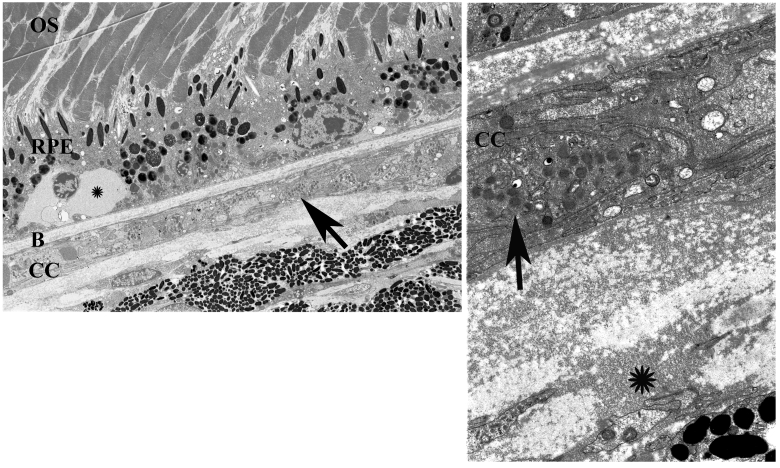
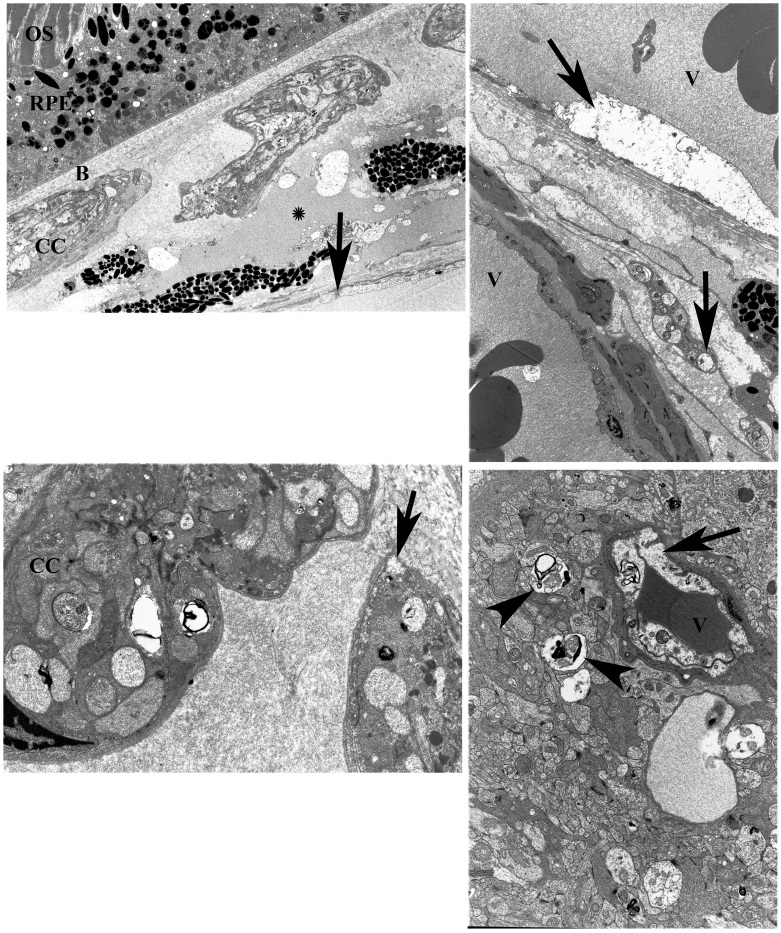
Results: Verteporfin/BPD PDT at irradiances of 150 to 1800 mW/cm(2) showed no collagen denaturation in contrast to photocoagulation lesions without dye (irradiance 10-fold and higher).
Conclusions: Verteporfin PDT could safely be performed at higher irradiances, permitting a clinically practical therapy. Ultimately, clinical trials demonstrated that verteporfin PDT could limit moderate vision loss in neovascular age-related macular degeneration. Although anti-VEGF therapy has replaced PDT as a first-line therapy, PDT may still have a role, perhaps in combination therapies. Further investigations to optimize drug delivery and to better understand the molecular mechanisms of PDT effects in both choroidal neovascularization and retina will improve its application in macular diseases.
Figures
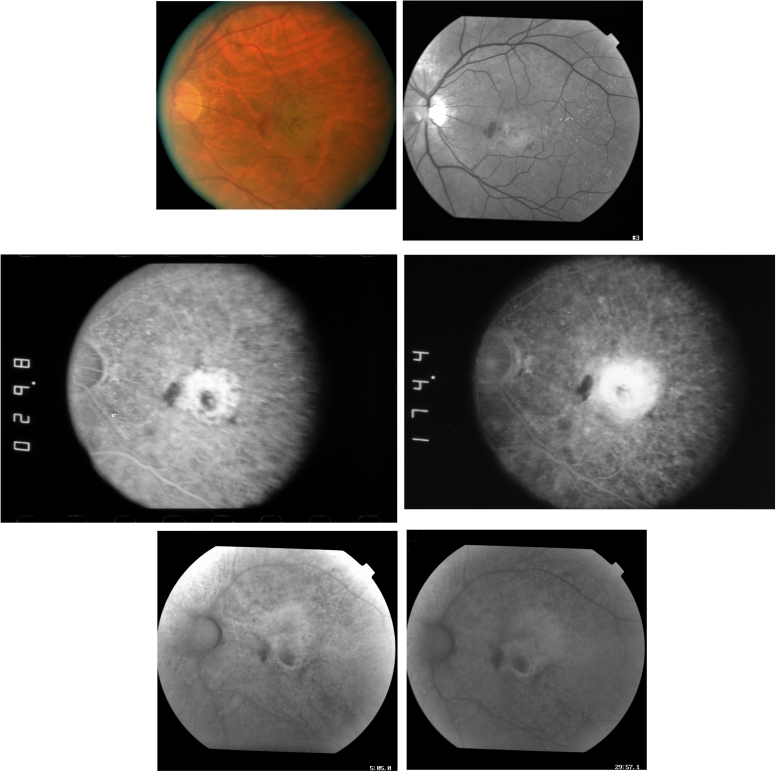
References
-
- Nanda S, Hatchell D, Tiedeman J, Dutton J, Hatchell M, McAdoo T. A new method of vascular occlusion. Photochemical initiation of thrombosis. Arch Ophthalmol. 1987;105:1121–1124. - PubMed
-
- Miller JW, Stinson WG, Gregory WA, El-Khoumy HA, Puliafito CA. Phthalocyanine photodynamic therapy of experimental iris neovascularization. Ophthalmology. 1991;98:1711–1719. - PubMed
-
- Kliman G, Puliafito C, Stern D, Borirakchanyavat S, Gregory W. Phthaloycyanine photodynamic therapy: new strategy for closure of choroidal neovascularization. Lasers Surg Med. 1994;15:2–10. - PubMed
-
- Kliman G, Puliafito C, Grossman G, Gregory W. Retinal and choroidal vessel closure using phthalocyanine photodynamic therapy. Lasers Surg Med. 1994;15:11–18. - PubMed
-
- Miller H, Miller B. Photodynamic therapy of subretinal neovascularization in the monkey eye. Arch Ophthalmol. 1993;111:855–860. - PubMed
Publication types
MeSH terms
Substances
LinkOut - more resources
Full Text Sources
Medical