


The state of emergency obstetric care services in Nairobi informal settlements and environs: results from a maternity health facility survey
- PMID: 19284626
- PMCID: PMC2662828
- DOI: 10.1186/1472-6963-9-46
The state of emergency obstetric care services in Nairobi informal settlements and environs: results from a maternity health facility survey
Abstract
Background: Maternal mortality in Sub-Saharan Africa remains a challenge with estimates exceeding 1,000 maternal deaths per 100,000 live births in some countries. Successful prevention of maternal deaths hinges on adequate and quality emergency obstetric care. In addition to skilled personnel, there is need for a supportive environment in terms of essential drugs and supplies, equipment, and a referral system. Many household surveys report a reasonably high proportion of women delivering in health facilities. However, the quality and adequacy of facilities and personnel are often not assessed. The three delay model; 1) delay in making the decision to seek care; 2) delay in reaching an appropriate obstetric facility; and 3) delay in receiving appropriate care once at the facility guided this project. This paper examines aspects of the third delay by assessing quality of emergency obstetric care in terms of staffing, skills equipment and supplies.
Methods: We used data from a survey of 25 maternity health facilities within or near two slums in Nairobi that were mentioned by women in a household survey as places that they delivered. Ethical clearance was obtained from the Kenya Medical Research Institute. Permission was also sought from the Ministry of Health and the Medical Officer of Health. Data collection included interviews with the staff in-charge of maternity wards using structured questionnaires. We collected information on staffing levels, obstetric procedures performed, availability of equipment and supplies, referral system and health management information system.
Results: Out of the 25 health facilities, only two met the criteria for comprehensive emergency obstetric care (both located outside the two slums) while the others provided less than basic emergency obstetric care. Lack of obstetric skills, equipment, and supplies hamper many facilities from providing lifesaving emergency obstetric procedures. Accurate estimation of burden of morbidity and mortality was a challenge due to poor and incomplete medical records.
Conclusion: The quality of emergency obstetric care services in Nairobi slums is poor and needs improvement. Specific areas that require attention include supervision, regulation of maternity facilities; and ensuring that basic equipment, supplies, and trained personnel are available in order to handle obstetric complications in both public and private facilities.
Figures
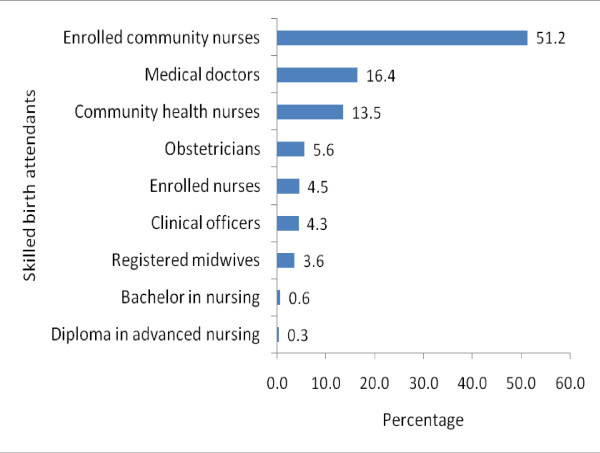
References
-
- AbouZahr C, Wardlaw T. Maternal Mortality in 2000: Estimates Developed by WHO, UNICEF AND UNFPA. Geneva: World Health Organization; 2003. http://www.who.int/reproductivehealth/publications/maternal_mortality_20...
-
- UN . United Nations Millennium Declaration. Fifty-fifth Session of the United Nations General Assembly. New York: United Nations Millennium Declaration; 2000. http://www.un.org/millennium/declaration/ares552e.pdf
-
- WHO . Skilled attendant at birth 2006 updates. Geneva: Department of Reproductive Health and Research, World Health Organization; 2006. http://www.who.int/reproductivehealth/global_monitoring/skilled_attendan...
-
- Graham WJ, Bell JS, Bullough CH. Can Skilled Attendance at Delivery Reduce Maternal Mortality in Developing Countries? Studies in HSO & P. 2001;17:97–129.
Publication types
MeSH terms
Grants and funding
LinkOut - more resources
Full Text Sources
Miscellaneous
