


A recessive mutation in the APP gene with dominant-negative effect on amyloidogenesis
- PMID: 19286555
- PMCID: PMC2728497
- DOI: 10.1126/science.1168979
A recessive mutation in the APP gene with dominant-negative effect on amyloidogenesis
Abstract
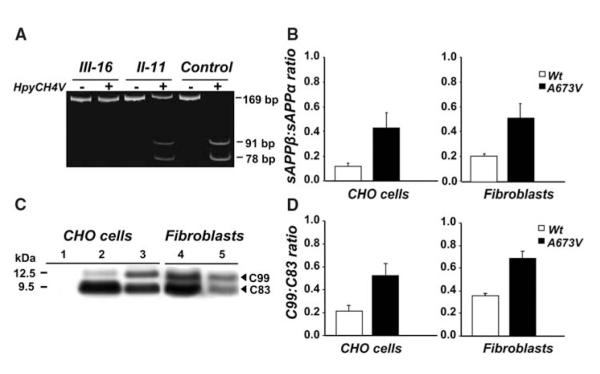
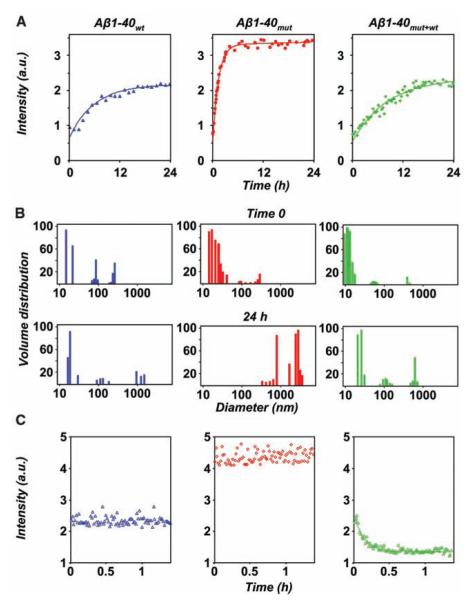
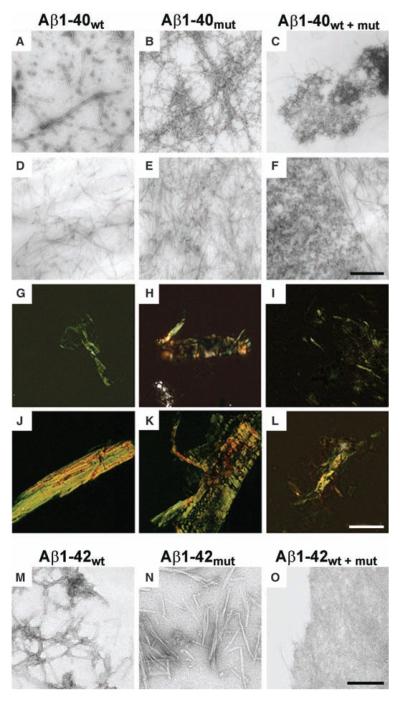
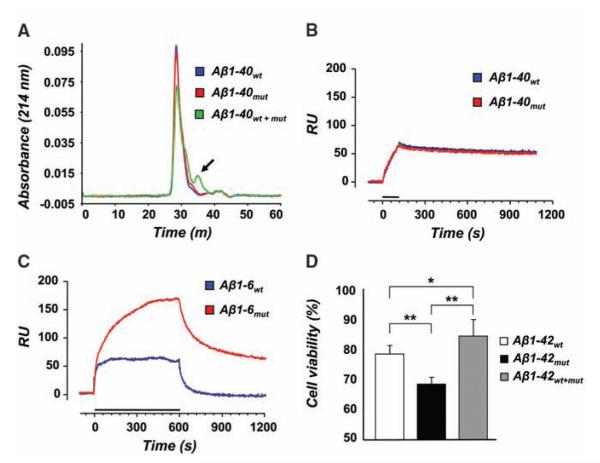
beta-Amyloid precursor protein (APP) mutations cause familial Alzheimer's disease with nearly complete penetrance. We found an APP mutation [alanine-673-->valine-673 (A673V)] that causes disease only in the homozygous state, whereas heterozygous carriers were unaffected, consistent with a recessive Mendelian trait of inheritance. The A673V mutation affected APP processing, resulting in enhanced beta-amyloid (Abeta) production and formation of amyloid fibrils in vitro. Co-incubation of mutated and wild-type peptides conferred instability on Abeta aggregates and inhibited amyloidogenesis and neurotoxicity. The highly amyloidogenic effect of the A673V mutation in the homozygous state and its anti-amyloidogenic effect in the heterozygous state account for the autosomal recessive pattern of inheritance and have implications for genetic screening and the potential treatment of Alzheimer's disease.
Figures
References
Publication types
MeSH terms
Substances
Grants and funding
LinkOut - more resources
Full Text Sources
Other Literature Sources
Medical
Molecular Biology Databases
