


Beta-endorphin neuronal cell transplant reduces corticotropin releasing hormone hyperresponse to lipopolysaccharide and eliminates natural killer cell functional deficiencies in fetal alcohol exposed rats
- PMID: 19320628
- PMCID: PMC2853801
- DOI: 10.1111/j.1530-0277.2009.00911.x
Beta-endorphin neuronal cell transplant reduces corticotropin releasing hormone hyperresponse to lipopolysaccharide and eliminates natural killer cell functional deficiencies in fetal alcohol exposed rats
Abstract
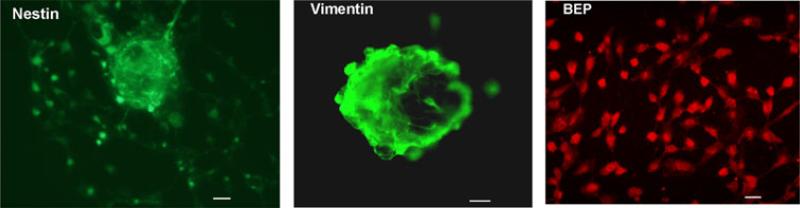
Background: Natural killer (NK) cell dysfunction is associated with hyperresponse of corticotropin releasing hormone (CRH) to immune challenge and with a loss of beta-endorphin (BEP) neurons in fetal alcohol exposed animals. Recently, we established a method to differentiate neural stem cells into BEP neurons using cyclic adenosine monophosphate (cAMP)-elevating agents in cultures. Hence, we determined whether in vitro differentiated BEP neurons could be used for reversing the compromised stress response and immune function in fetal alcohol exposed rats.
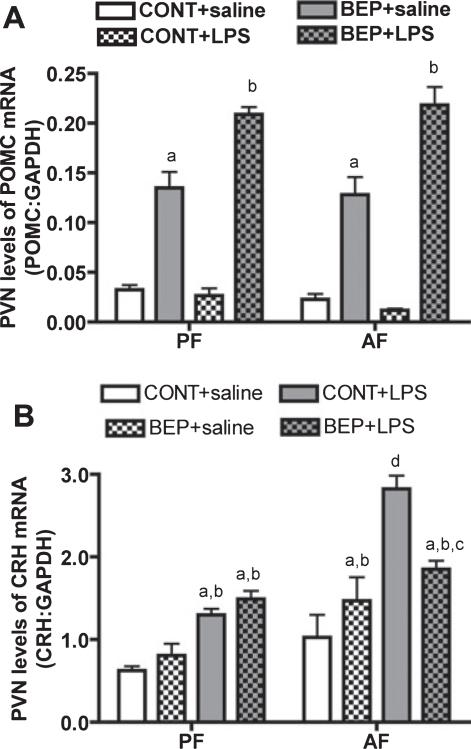
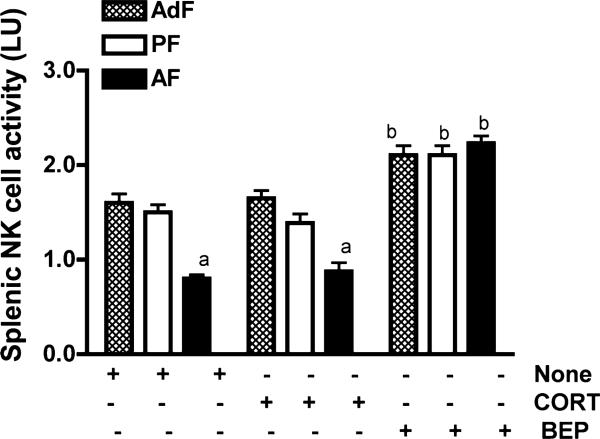
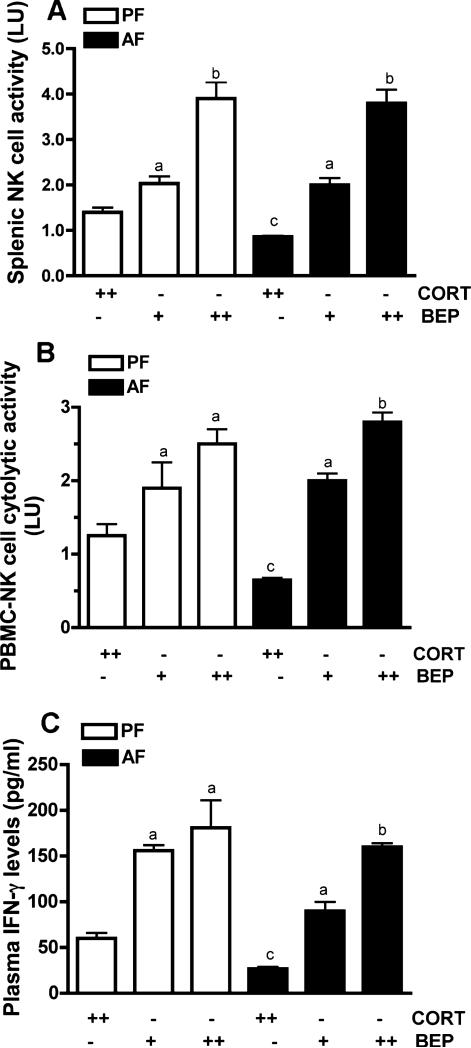
Methods: To determine the effect of BEP neuron transplants on NK cell function, we implanted in vitro differentiated BEP neurons into the paraventricular nucleus of pubertal and adult male rats exposed to ethanol or control in utero. The functionality of transplanted BEP neurons was determined by measuring proopiomelanocortin (POMC) gene expression in these cells and their effects on CRH gene expression under basal and after lipopolysaccaride (LPS) challenge. In addition, the effectiveness of BEP neurons in activating NK cell functions is determined by measuring NK cell cytolytic activity and interferon-gamma (IFN-gamma) production in the spleen and in the peripheral blood mononuclear cell (PBMC) following cell transplantation.
Results: We showed here that when these in vitro differentiated BEP neurons were transplanted into the hypothalamus, they maintain biological functions by producing POMC and reducing the CRH neuronal response to the LPS challenge. BEP neuronal transplants significantly increased NK cell cytolytic activity in the spleen and in the PBMC and increased plasma levels of IFN-gamma in control and fetal alcohol exposed rats.
Conclusions: These data further establish the BEP neuronal regulatory role in the control of CRH and NK cell cytolytic function and identify a possible novel therapy to treat stress hyperresponse and immune deficiency in fetal alcohol exposed subjects.
Figures
References
-
- Ah DV, Kang DH, Carpenter JS. Stress, optimism, and social support: impact on immune responses in breast cancer. Res Nurs Health. 2007;30:72–83. - PubMed
-
- Albertsson PA, Basse PH, Hokland M, Goldfarb RH, Nagelkerke JF, Nannmark U, Kuppen PJ. NK cells and the tumour microenvironment: implications for NK-cell function and anti-tumour activity. Trends Immunol. 2003;24:603–609. - PubMed
-
- Arjona A, Boyadjieva N, Kuhn P, Sarkar DK. Fetal ethanol exposure disrupts the daily rhythms of splenic granzyme B, IFN-γ, and NK cell cytotoxicity in adulthood. Alcohol Clin Exp Res. 2006;30:1039–1044. - PubMed
-
- Boyadjieva N, Advis JP, Sarkar DK. Role of BEP, corticotropin-releasing hormone and autonomic nervous system in mediation of the effect of chronic ethanol on natural killer cell cytolytic activity. Alcohol Clin Exp Res. 2006;30:1761–1767. - PubMed
-
- Boyadjieva NI, Dokur M, Advis JP, Meadows GG, Sarkar DK. Beta-endorphin modulation of lymphocyte proliferation: effects of ethanol. Alcohol Clin Exp Res. 2002;26:1719–1727. - PubMed
Publication types
MeSH terms
Substances
Grants and funding
LinkOut - more resources
Full Text Sources
Medical
Miscellaneous
