Relationship between the hip and low back pain in athletes who participate in rotation-related sports
- PMID: 19321907
- PMCID: PMC2699456
- DOI: 10.1123/jsr.18.1.60
Relationship between the hip and low back pain in athletes who participate in rotation-related sports
Abstract
Context: Hip function has been proposed to be related to low back pain (LBP) because of the anatomical proximity of the hip and lumbopelvic region. To date, findings have been inconclusive, possibly because the samples studied were heterogeneous. Sub-grouping samples based on characteristics such as activity demand, LBP classification, and sex might clarify research findings.
Objective: To describe and summarize studies that examine 3 factors proposed to be important to the study of the hip-LBP relationship.
Design: Review of cross-sectional studies.
Setting: Academic health-care center and research laboratory.
Subjects: 3 groups: athletes with a history of LBP who regularly participate in rotation-related sports, athletes without a history of LBP who are active but do not regularly participate in rotation-related sports, and athletes without a history of LBP who participate in rotation-related sports.
Main outcome: Hip range of motion and hip-lumbopelvic region coordination.
Measures: Hip range of motion was measured with an inclinometer. Coordination was examined based on kinematics obtained with a 3-dimensional motion-capture system.
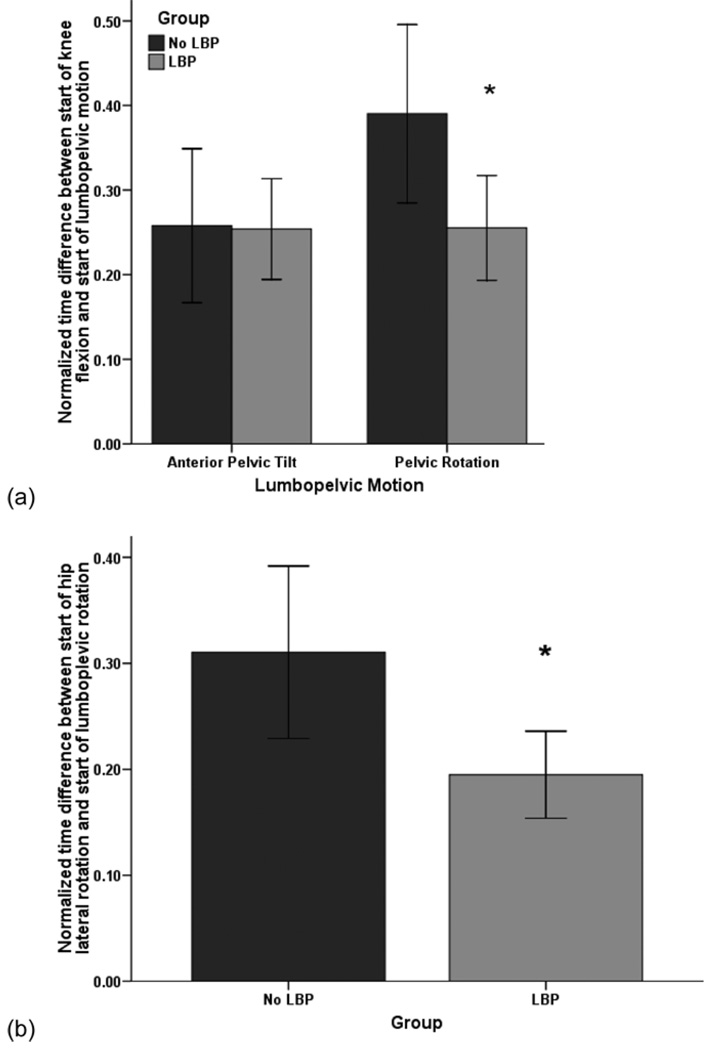
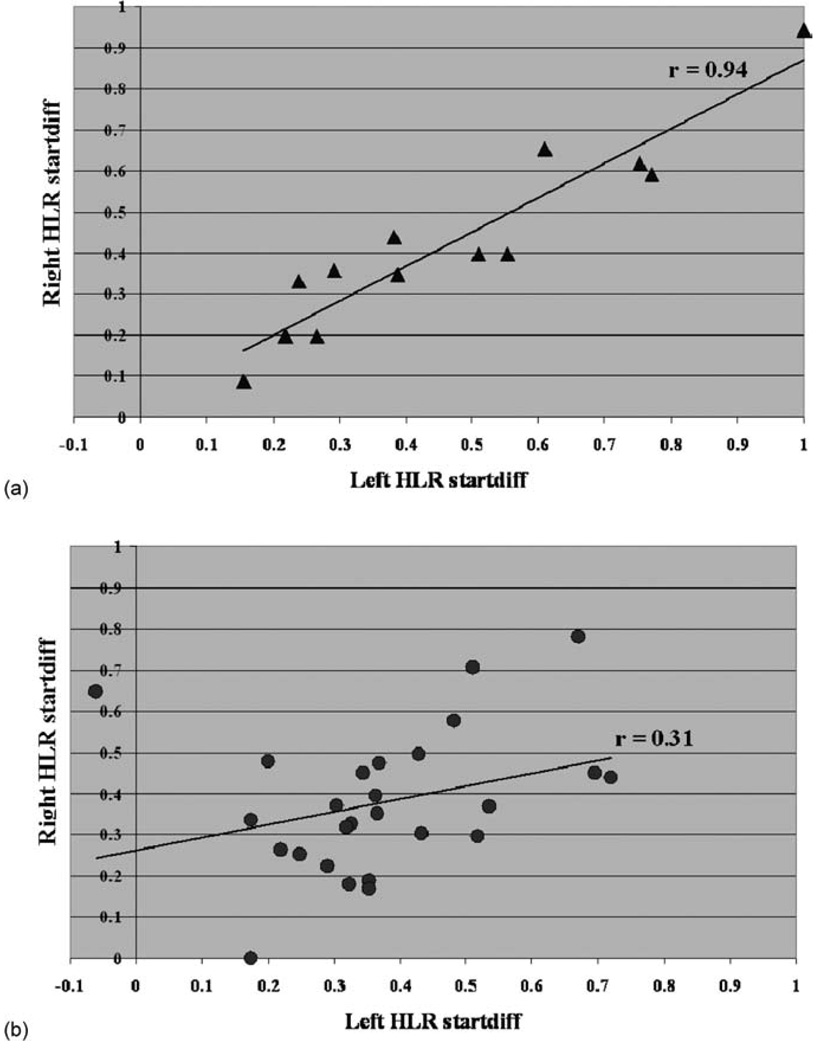
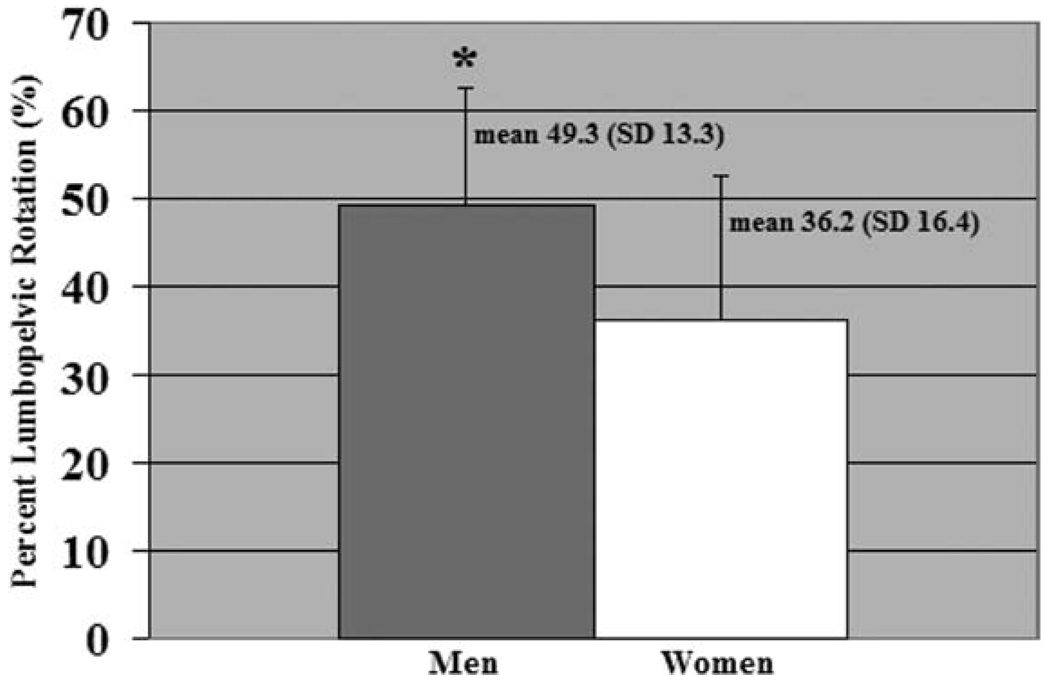
Result: Differences among groups were found based on activity demand, LBP classification, and sex.
Conclusion: When assessing athletes with and without LBP, characteristics such as activity demand, LBP classification, and sex should be considered.
Figures
References
-
- Hosea TM, Gatt CJ., Jr Back pain in golf. Clin Sports Med. 1996;15(1):37–53. - PubMed
-
- McCarroll JR. The frequency of golf injuries. Clin Sports Med. 1996;15(1):1–7. - PubMed
-
- Sward L, Hellstrom M, Jacobsson B, Peterson L. Back pain and radiologic changes in the thoraco-lumbar spine of athletes. Spine. 1990;15(2):124–129. - PubMed
-
- Fairbank JC, Pynsent PB, Van Poortvliet JA, Phillips H. Influence of anthropometric factors and joint laxity in the incidence of adolescent back pain. Spine. 1984;9(5):461–464. - PubMed
Publication types
MeSH terms
Grants and funding
LinkOut - more resources
Full Text Sources
Medical
Miscellaneous