


A systematic review of the literature on the effectiveness of exercise therapy for groin pain in athletes
- PMID: 19331695
- PMCID: PMC2674034
- DOI: 10.1186/1758-2555-1-5
A systematic review of the literature on the effectiveness of exercise therapy for groin pain in athletes
Abstract
Background: Athletes competing in sports that require running, changes in direction, repetitive kicking and physical contact are at a relatively higher risk of experiencing episodes of athletic groin pain. To date, there has been no systematic review that aims to inform clinicians about the best available evidence on features of exercise interventions for groin pain in athletes. The primary aim of this systematic review was to evaluate the available evidence on the effectiveness of exercise therapy for groin pain in athletes. The secondary aim of this review was to identify the key features of exercise interventions used in the management of groin pain in an athletic population.
Methods: MEDLINE, CINAHL, PubMed, SPORTSDiscus, Embase, AMED, Ovid, PEDro, Cochrane Controlled Trials Register and Google Scholar databases were electronically searched. Data relating to research design, sample population, type of sport and exercise intervention was extracted. The methodological evaluation of included studies was conducted by using a modified quantitative critical appraisal tool.
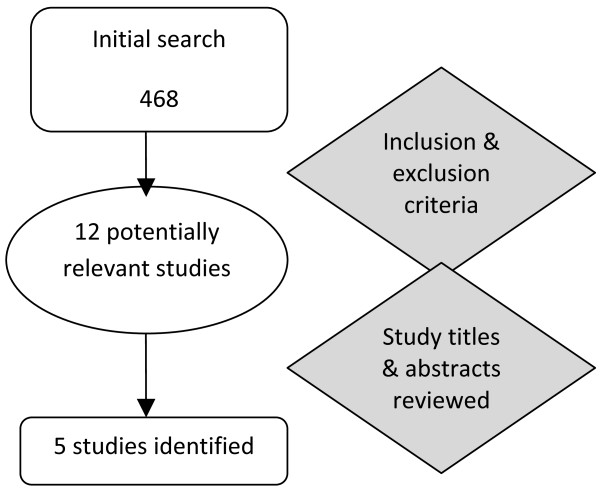
Results: The search strategy identified 468 studies, 12 of which were potentially relevant. Ultimately five studies were included in this review. Overall the quality of primary research literature was moderate, with only one randomised controlled trial identified. All included studies provided evidence that an exercise intervention may lead to favourable outcomes in terms of return to sport. Four of the five studies reviewed included a strengthening component and most utilised functional, standing positions similar to those required by their sport. No study appropriately reported the intensity of their exercise interventions. Duration of intervention ranged from 3.8 weeks to 16 weeks. All five studies reported the use of one or more co-intervention.
Conclusion: Best available evidence to date, with its limitations, continues to support common clinical practice of exercise therapy as a key component of rehabilitation for groin pain in athletes. Overall, the available evidence suggests that exercise, particularly strengthening exercise of the hip and abdominal musculature could be an effective intervention for athletes with groin pain. Literature provides foundational evidence that this may need to be in the form of progressive exercises (static to functional) and performed through range. There is currently no clear evidence regarding the most effective intensity and frequency of exercise, because of a lack of reporting in the primary literature.
References
-
- Morelli V, Smith V. Groin Injuries in Athletes. Am Family Phys. 2001;64:1405–12. - PubMed
-
- Ruane JJ, Rossi TA. When Groin Pain is more than 'just a strain': navigating a broad differential. Phys Sportsmed. 1998;26:78–103. - PubMed
-
- Macintyre J, Johson C, Schroeder EL. Groin pain in athletes. Current Sports Med Re. 2006;5:293–9. - PubMed
-
- Fricker PA. Osteitis pubis. Sports Med and Arthroscopy Rv. 1997;5:305–31.
-
- Cowan SM, Schache AG, Brukner P, et al. Delayed onset of transverse abdominus in long-standing groin pain. Med Sci Sports Exerc. 2003;36:2040–2045. - PubMed
LinkOut - more resources
Full Text Sources
Medical
